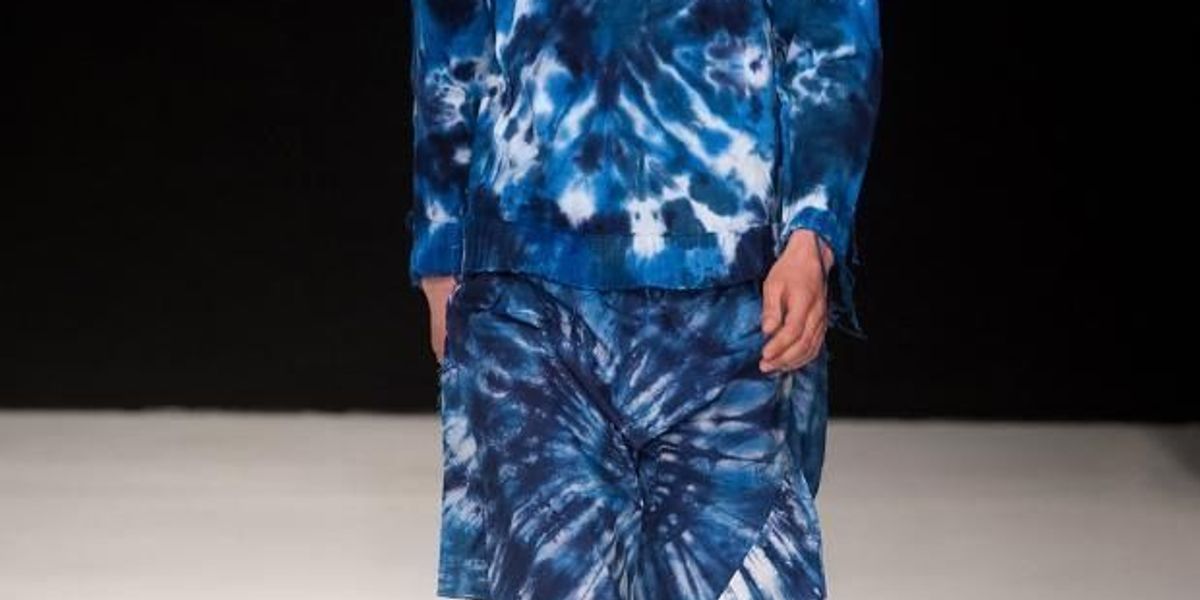
From Village Dye Pots to Runway: The Story of Adire and Tie-Dye

Titilayo Ifeoluwa
Click to view profile
Adire, the traditional Yoruba art of tie and dye, is more than fabric it is a language woven in color. Rooted in creativity and cultural pride, this textile craft began in villages like Abeokuta, where women gathered around indigo pits, tying, stitching, and dyeing cloth with symbols that carried deep meaning. For centuries, Adire served as both clothing and storytelling, connecting people to ancestry and identity.
Today, what began as a local cloth in Yoruba markets has become a global fashion trend. From Lagos Fashion Week to luxury boutiques in London and New York, Adire has found new life on the runway. It now stands as both a cultural heritage and a modern fashion statement, proving that indigenous creativity can thrive in the global economy.
The Origins of Adire
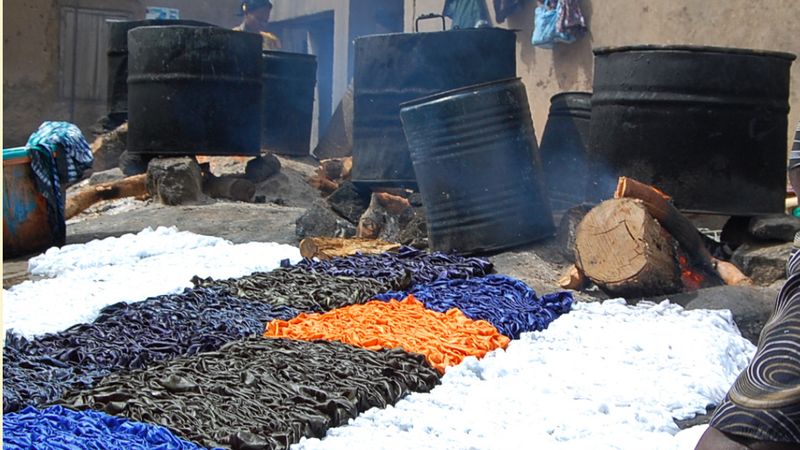
Photo Credit : The Guardian’s
The word Adire means “tie and dye” in Yoruba. This centuries-old craft was pioneered by Yoruba women in Abeokuta and Ibadan, who used indigo dye pits to create intricate designs on cotton cloth. It was more than fashion it was livelihood, cultural expression, and even spiritual identity. Historically, Adire fabrics were exchanged in local markets, contributing to early textile trade and women’s economic empowerment.
The Art of Making Adire
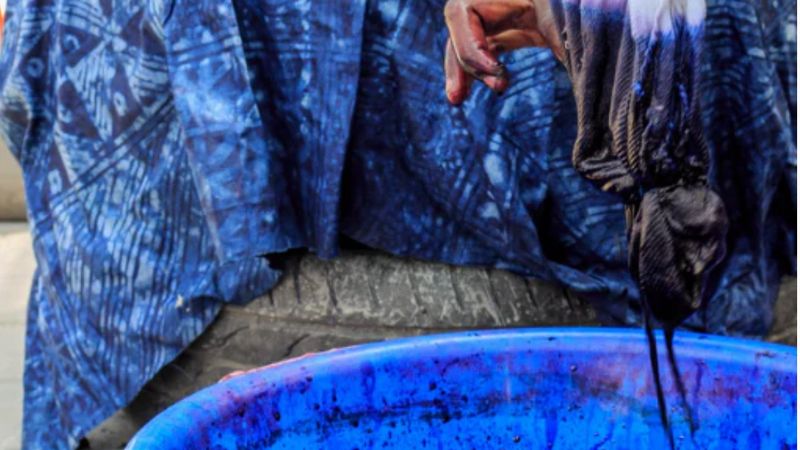
Photo Credit : Orente fashion NZ
The process of creating Adire is as captivating as the final fabric itself. Traditionally, artisans begin by folding, tying, or stitching plain cotton cloth to create resist areas. Natural dyes—originally derived from indigo plants are then applied, with the tied or stitched sections resisting the color. Once untied, the cloth reveals striking patterns, each one unique and impossible to replicate exactly. This hands-on technique blends patience, creativity, and cultural knowledge, making every piece of Adire a one-of-a-kind story in fabric.
Techniques of Dyeing
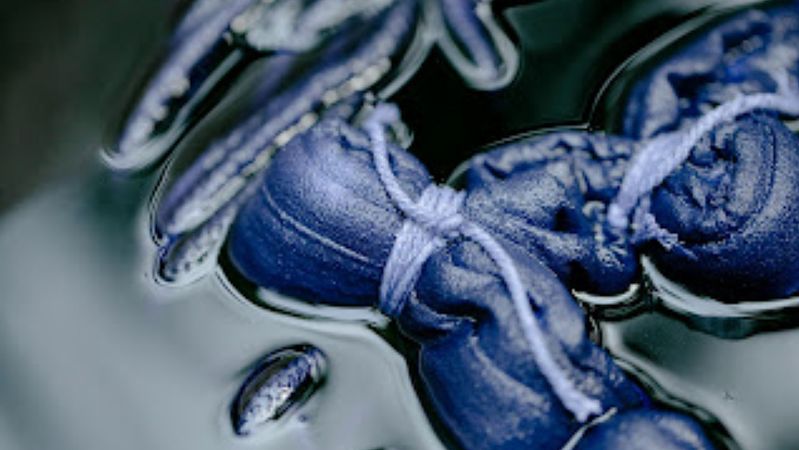
Photo Credit: Textile Sphere
Adire techniques vary, but they are all rooted in resistance dyeing. Artisans use raffia ties, cassava starch, or stitched patterns to block dye from reaching certain areas of the cloth. When dipped in indigo dye, these tied or waxed sections resist the color, creating striking patterns. Traditional dye pits in Abeokuta are still in use today, some over a hundred years old, preserving Yoruba heritage.
Symbolism and Patterns
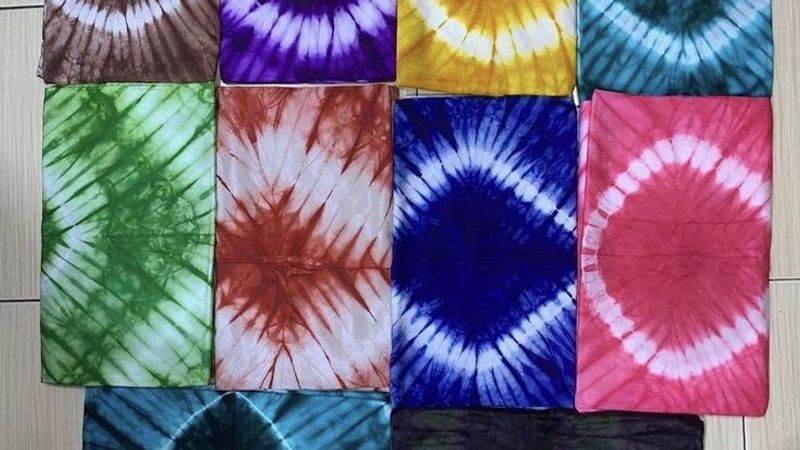
Photo Credit: Pinterest
Every Adire design carries meaning, often inspired by nature, proverbs, or spirituality. The fabric is both art and communication. Common patterns include:
Olokun
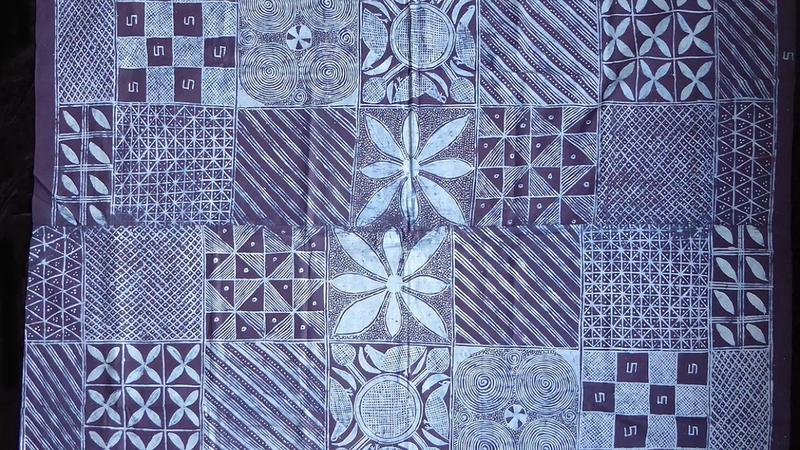
Photo Credit: Adire African Textile
Represents wealth and the Yoruba water deity. Olokun, meaning “owner of the ocean,” is one of the most iconic motifs in Adire cloth. In Yoruba cosmology, Olokun is the deity of the sea, wealth, and the mysteries of the deep. Adire pieces carrying the Olokun pattern often symbolize abundance, prosperity, and spiritual depth. Traditionally, these patterns were worn during special festivals and ceremonies to honor the deity and attract blessings of wealth and fertility. Beyond its spiritual roots, Olokun Adire also communicates social status. Historically, women who wore Olokun patterns were often regarded as distinguished, as the fabric represented both material and spiritual wealth.
Sunbebe Adire

Photo Credit: Pinterest
Sunbebe Adire: A Dance of Celebration
The Sunbebe pattern, which translates as “lift me up and carry me,” is often associated with joy, festivity, and communal togetherness. Traditionally, the motif is made up of radiating lines and circular bursts that resemble fireworks or the sun’s rays, symbolizing vitality and celebration. It was commonly worn during weddings, naming ceremonies, and harvest festivals to represent happiness and unity within the community. In Yoruba oral tradition, Sunbebe is more than a decorative design—it reflects the collective spirit of lifting one another up. Wearing this pattern was a way to announce merriment, express gratitude, and invite abundance.
Oniko
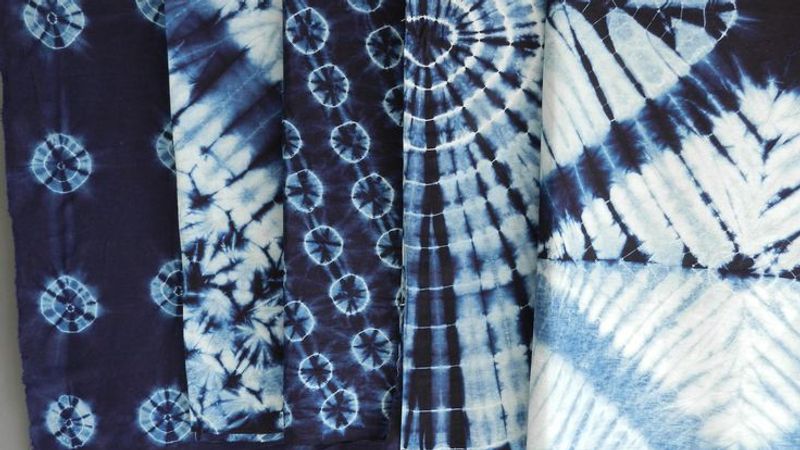
Photo Credit: Etsy/ Pinterest
The Oniko design is created by tying raffia or thread tightly around small portions of the fabric before dyeing. The tied sections resist the dye, leaving behind circular or ring-like patterns once the raffia is removed. These “knots” often symbolize protection, resilience, and the mysteries of life, as they conceal part of the cloth until revealed after dyeing. Traditionally, Oniko was not only admired for its beauty but also believed to hold spiritual significance. The knots were thought to ward off negative energy and bring strength to the wearer. Women often used Oniko Adire during rites of passage, such as childbirth or initiation, to invoke safety and well-being.
From Market Cloth to Runway Fashion
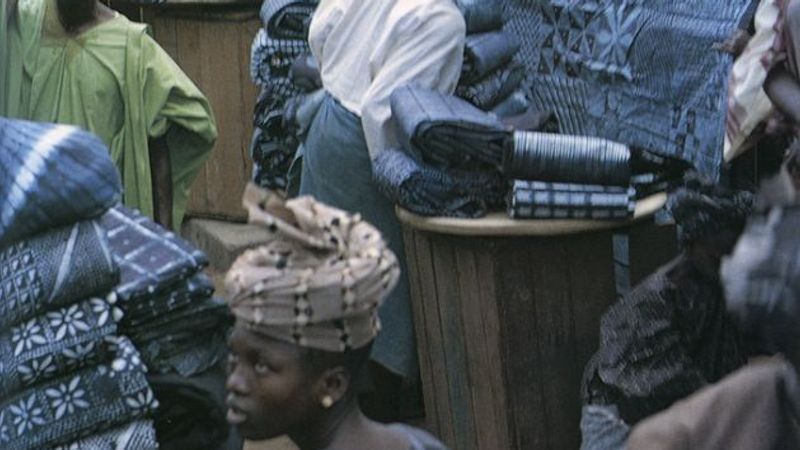
Photo Credit: Maria Antonia / Pinterest
Once confined to local markets as wrappers and everyday clothing, Adire has now taken center stage in high fashion. Designers like Nike Davies-Okundaye (Nike Art Gallery) have championed its revival, training thousands of women and showcasing Adire globally. Today, international celebrities and African designers alike feature Adire-inspired designs at Lagos Fashion Week and beyond. According to Euromonitor International (2022), Nigeria’s fashion industry is valued at $4.7 billion, with traditional textiles, such as Adire, playing a significant role in the industry’s growth.
Patterns with a Purpose: The Hidden Codes in Adire design
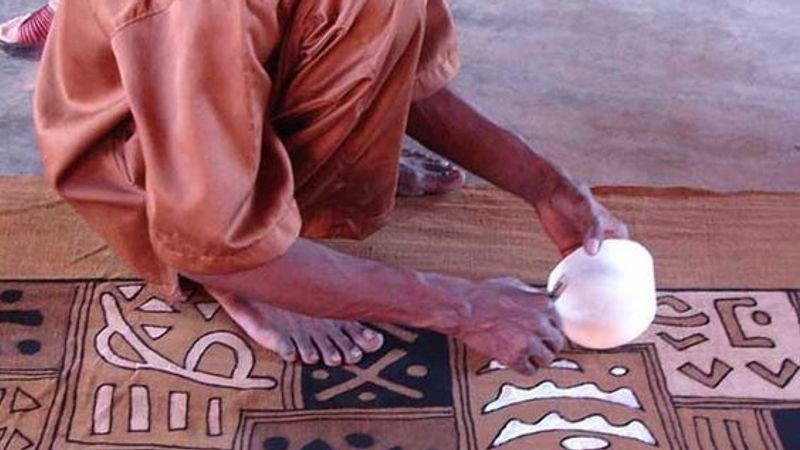
Photo Credit: Sharon Romey/ Pinterest
Adire is more than just a visual delight; every pattern carries hidden meaning, often used to communicate values, beliefs, or even subtle resistance during colonial times. Motifs like olokun (symbolizing wealth and fertility) or sunbebe (expressing joy and vitality) serve as storytelling devices passed through generations. These designs transformed cloth into a coded language, making Adire both a fashion statement and a philosophical expression, an art form where every fold, dye, and pattern had a distinct voice.
Beyond Fabric: What Tie-Dye Teaches Us About Creativity
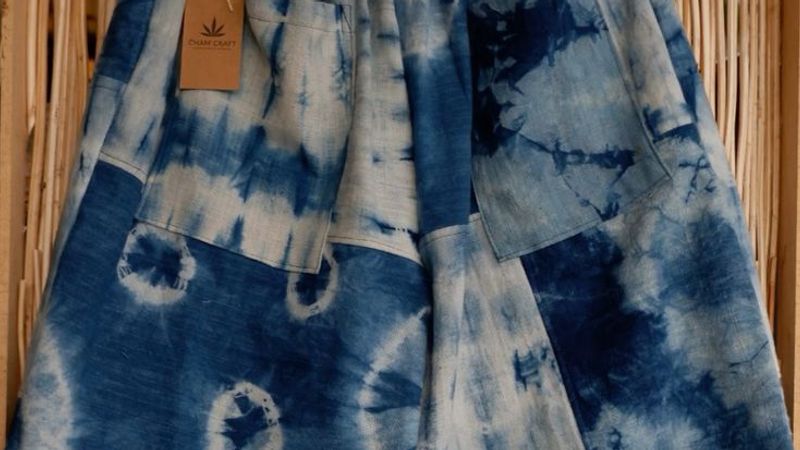
Photo Credit: Indigo Pant/ Pinterest
Tie-dye, particularly in its Nigerian Adire form, reveals the boundless creativity within African culture. By folding, tying, or stitching fabric in countless ways, artisans created infinite variations, each one unique and unrepeatable. This process reflects a philosophy of innovation born from resourcefulness, using simple tools and natural dyes to craft wearable masterpieces. Beyond its beauty, tie-dye teaches us that creativity is not about abundance but about reimagining what is already within reach.
The Economics of Adire Today
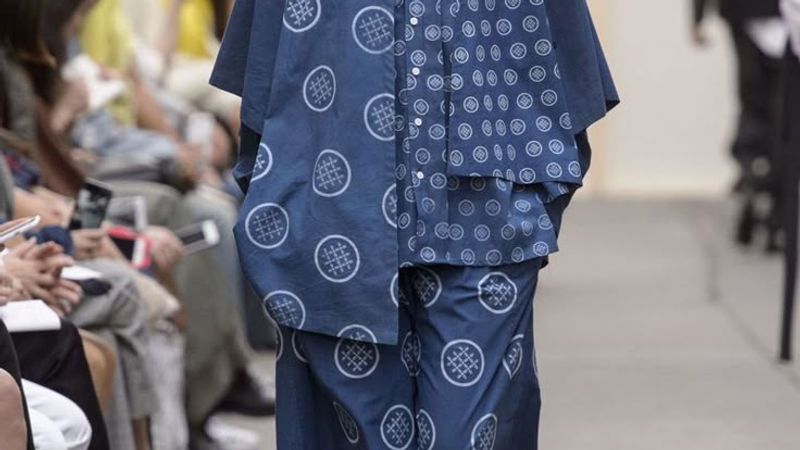
Photo Credit: Lan Dang/ Pinterest
Adire is not just cultural; it is economic empowerment. In many Yoruba towns, women-led cooperatives sustain families through Adire production, while exports feed the diaspora’s hunger for African prints. Governments and NGOs have begun supporting textile clusters as part of the growth of the creative economy. Historically, Nigeria’s textile industry employed about 450,000 people, with many livelihoods tied to traditional fabric crafts such as tie-dye. However, decades of decline have seen the workforce shrink to fewer than 20,000 workers today. While exact figures for Adire makers are scarce, these statistics highlight how important the craft is to Nigeria’s creative economy and how much potential it has for revival.
Challenges and Modern Innovations
Despite its success, Adire faces challenges. Cheap imports and imitations threaten authentic Yoruba craftsmanship. However, young African designers are innovating by blending Adire with contemporary silhouettes, digital patterns, and global collaborations. Tie-dye, once considered a local trend, has now been adopted by luxury brands worldwide, proving its timeless versatility. Adire’s journey from village dye pits to global fashion runways is a testament to African creativity and resilience. It has survived colonial suppression, modern imitation, and shifting trends — yet it thrives today as both heritage and style. Whether worn in Abeokuta or New York, Adire remains a bold declaration of identity and pride, carrying the colors of Africa into the world.
Visit Our Website to learn more and explore Africa.