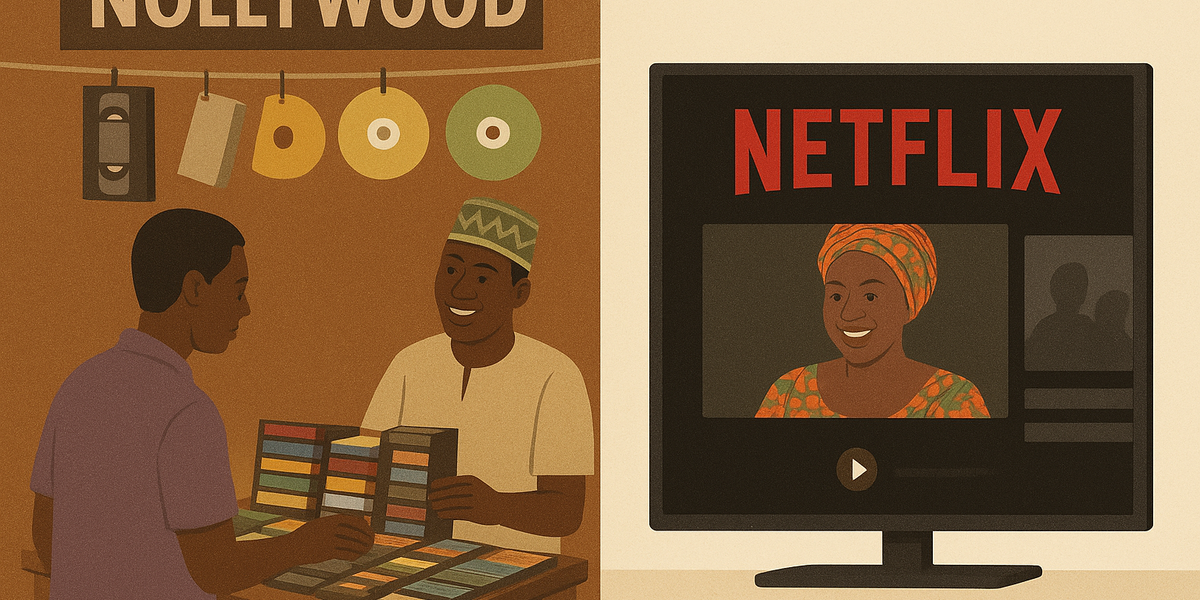
From Nollywood to Netflix: The Global Rise of African Cinema

Titilayo Ifeoluwa
Click to view profile
In the early 1990s, Nigeria’s Nollywood began with low-budget, straight-to-video films like Living in Bondage. What started as an experimental way of telling African stories quickly grew into a cultural phenomenon. Today, Nollywood is not just a local industry; it is one of the largest film industries in the world by output, producing thousands of films each year and capturing the imagination of audiences across Africa.
The story doesn’t end there. With the arrival of Netflix and other streaming platforms, Nollywood and African cinema as a whole have gone global. From Lagos to Los Angeles, African films are now reaching viewers everywhere, proving that our stories are not only worth telling but worth sharing with the world.
The Birth of Nollywood

Photo Credit: IMDb
The first Nigerian feature film was the 1926 silent film Palaver. The modern Nollywood era began in 1992 with the use of videotape and home video systems, notably with the film Living in Bondage
Nollywood was born out of necessity. With limited resources and a hunger for relatable stories, Nigerian filmmakers embraced digital technology to produce films quickly and cheaply. By the mid-1990s, Nollywood was producing over 1,000 films a year, making it second only to Bollywood in output. These films resonated because they reflected the daily struggles, traditions, and aspirations of ordinary Nigerians.
Stories that Speak to Us

Photo Credit: freepik
At its heart, Nollywood is about storytelling. Themes of family, love, corruption, religion, and tradition dominate the screen. These stories are raw, familiar, and deeply African. They show mothers protecting their children, lovers defying cultural expectations, and communities wrestling with modernity versus tradition. For millions, these films became mirrors of real life.
The Economics of Nollywood

Photo Credit: Pinterest
Nollywood isn’t just a cultural force; it’s an economic powerhouse. The industry contributes about 2.3% to Nigeria’s GDP and produces more than 2,500 films annually. These numbers highlight its importance as a driver of employment, creativity, and cultural influence. With an ever-expanding audience both at home and abroad, Nollywood has become one of Nigeria’s most important exports.
Nollywood Meets Netflix
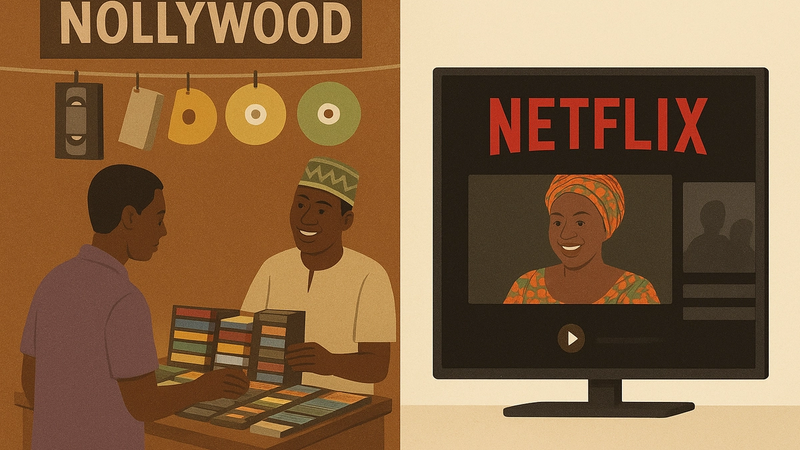
Photo Credit: freepik
The rise of digital streaming has taken Nollywood global. Netflix, for instance, has invested over US$23 million in Nigeria since 2016 and licensed more than 283 Nollywood films, supporting over 5,140 jobs in the process. From romantic comedies like The Wedding Party to critically acclaimed dramas like Lionheart, Nigerian films are reaching international audiences like never before.
African Cinema Beyond Nigeria

Photo Credit: Pinterest
While Nollywood dominates, other African countries are also making their mark. South Africa has produced globally acclaimed series like Queen Sono and Shaka iLembe. Ghana continues to make waves with its own vibrant film industry, while Kenya is building a reputation for bold, contemporary cinema. Together, these industries are proving that African cinema is not monolithic but richly diverse.
Entertainment Boom Across Africa

Photo Credit: freepik
The Nigerian creative sector, including film, music, and entertainment, is witnessing unprecedented growth. Between 2020 and 2023, it expanded by 27.46%, with its total value rising to ₦1.97 trillion from ₦1.55 trillion. This boom not only reflects increased production but also signals more substantial investment and a rising appetite for African storytelling on the global stage.
Global audience reach
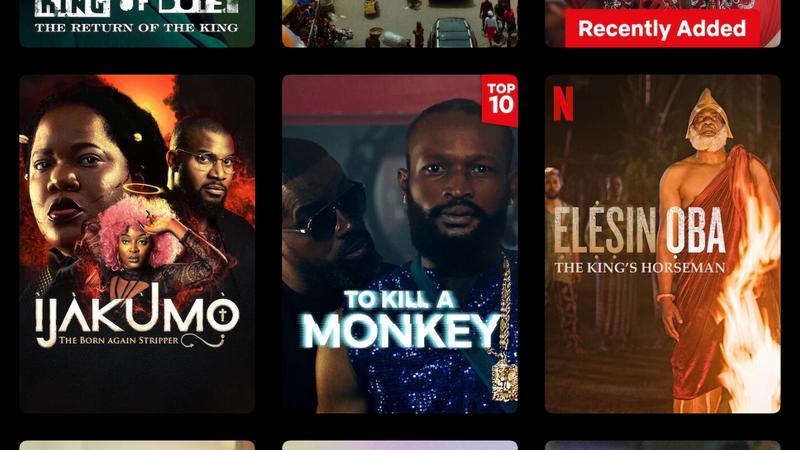
Photo Credit: Netflix
Nollywood’s popularity is not limited to Africa. Nollywood films are now consumed by over 30 million viewers across Africa, Europe, and North America every year. This growing global audience proves that African stories have universal appeal and that the industry’s reach continues to expand beyond its home base.
Storytelling Beyond Borders
Photo Credit: Pinterest
What sets African cinema apart is its authenticity. Nollywood stories resonate because they are rooted in the realities of African life, love, family, struggle, resilience, and joy. Global audiences are drawn to this raw honesty, which offers a refreshing contrast to Hollywood’s polished narratives. Streaming platforms are bridging cultural divides by bringing these stories directly into living rooms worldwide.
Challenges Behind the Spotlight

Photo Credit: IMDb
Despite its success, African cinema faces challenges. Piracy remains a major threat, costing the industry millions of dollars yearly. Infrastructure is another issue with limited cinemas and distribution channels; many films rely solely on streaming to reach broad audiences. Funding also remains difficult for young filmmakers, who often struggle to get financial backing.
From crowded Lagos film sets to Netflix’s global library, Nollywood has proven that African stories deserve a place on the world’s stage. As the industry continues to grow, it not only entertains but also preserves culture, empowers communities, and boosts national economies. Nollywood’s journey shows that African cinema is not just rising it is here to stay..
To explore more African insights,
Visit: Our Website