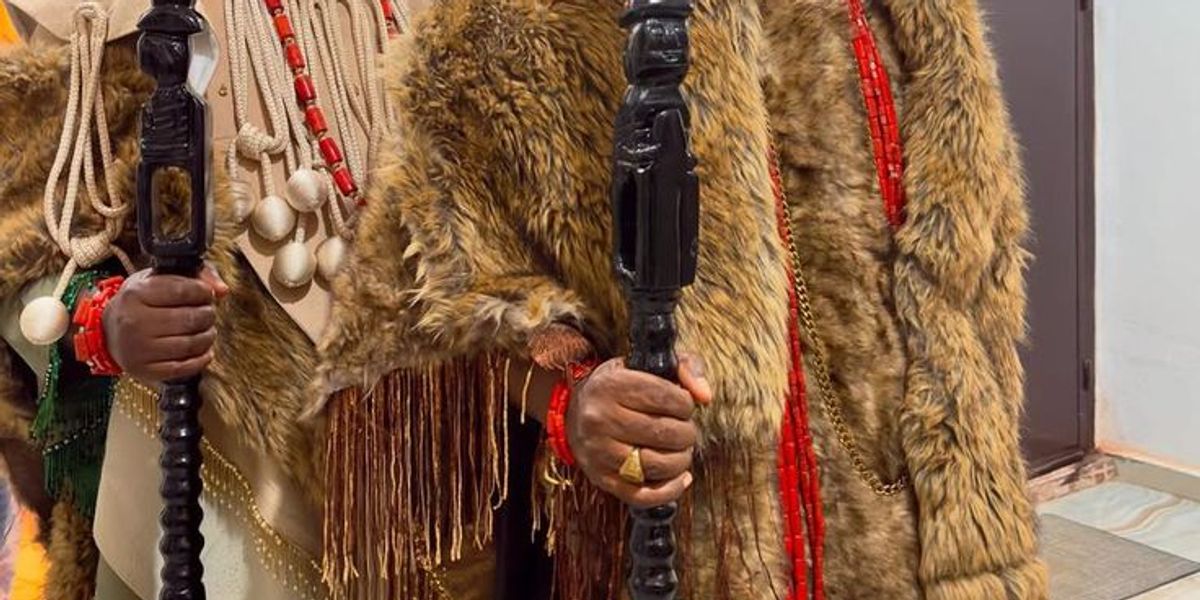
Fashion Meets Film: How Costumes in Nollywood and Beyond Define Identity

Titilayo Ifeoluwa
Click to view profile
Fashion and film have always shared an intimate relationship, and nowhere is this more evident than in Africa, where Nollywood has transformed into a powerful stage where costume design carries as much narrative weight as dialogue and cinematography. Costumes transcend mere clothing; they form a sophisticated visual language that communicates heritage, social hierarchies, gender dynamics, and the unspoken emotional landscapes of characters.
Across Nollywood and other African film industries, directors and costume designers are revolutionizing storytelling by using fashion to craft authentic narratives about identity. From the regal sweep of agbadas to the vibrant patterns of Ankara dresses and the symbolic weight of traditional beads, what actors wear on screen has evolved into a cultural marker that traverses borders and reshapes global perceptions of African identity.
Costumes as Storytelling Tools
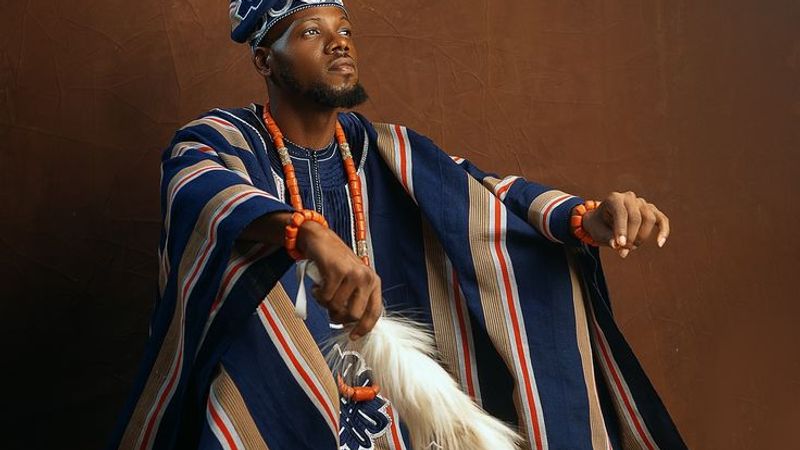
Photo Credit: Empicostumes/ Pinterest
In Nollywood, costumes act as silent storytellers, revealing character long before a word is spoken. A chief’s embroidered agbada, a village girl’s simple wrapper, or a businesswoman’s sharp suit instantly signal class, culture, and power. In films like The Wedding Party and King of Boys, wardrobe shifts mirror personal growth and shifting status, showing how fashion is more than style—it’s the language of the story itself.
Tradition Meets Modernity
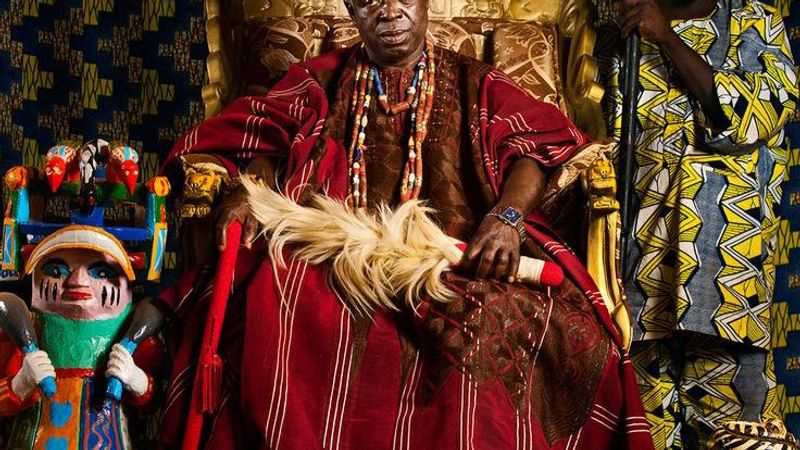
Photo Credit: Bongo Wakongo/ Pinterest
African cinema brilliantly navigates the intersection of traditional fashion and contemporary influences, illustrating how cultural heritage coexists with urban cosmopolitanism. Nollywood excels at juxtaposing Ankara prints, gele headwraps, and coral beads with Western suits and global streetwear, creating a visual lexicon that reflects Africa's dynamic, evolving identity. This sartorial fusion captures the lived reality of modern African individuals deeply rooted in ancestral traditions yet confidently navigating globalization and modernity.
The Global Impact of Nollywood Costumes
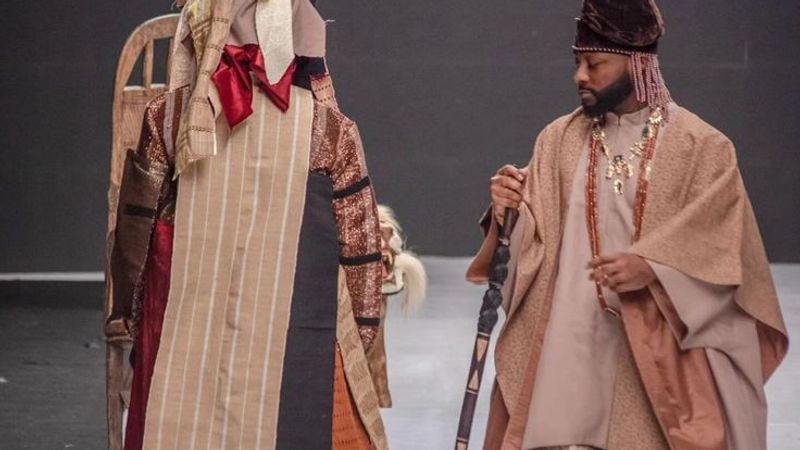
Photo Credit: BellaNaijaStyle/ Pinterest
Nollywood's fashion influence now reverberates far beyond Nigeria's borders, establishing the industry as a cultural powerhouse. The numbers tell a compelling story: Nollywood produces approximately 2,500 films annually, making it the second-largest film industry globally by volume, surpassed only by India's Bollywood. This prolific output reaches audiences across multiple continents, with the industry valued at an estimated $6.4 billion. It contributes approximately 1.4% to 2.3% of Nigeria's GDP. The digital revolution has exponentially amplified this reach.
Women Designers Leading the Way
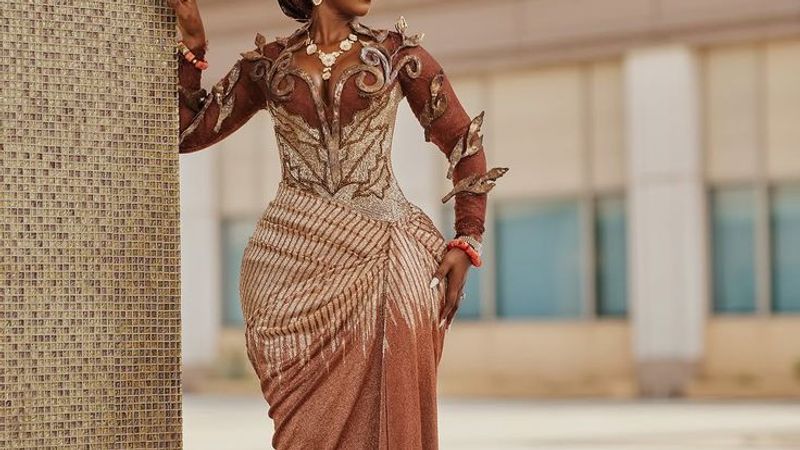
Photo Credit: Trends and Tasks/ Pinterest
Behind Nollywood’s dazzling costumes are visionary women designers who use fashion as a storytelling tool. Creatives like Yolanda Okereke (King of Boys), Ruth Eno Adjei (Shanty Town), and Bunmi Demilola-Fashina (The Wedding Party) have crafted unforgettable looks that bring characters to life and elevate African cinema. Their work doesn’t just stay on screen—it shapes real-life trends. After King of Boys, Sola Sobowale’s elaborate geles and embroidered outfits inspired a wave of wedding fashion, with search data showing spikes in “King of Boys fashion” across social media.
Costumes as Cultural Diplomacy
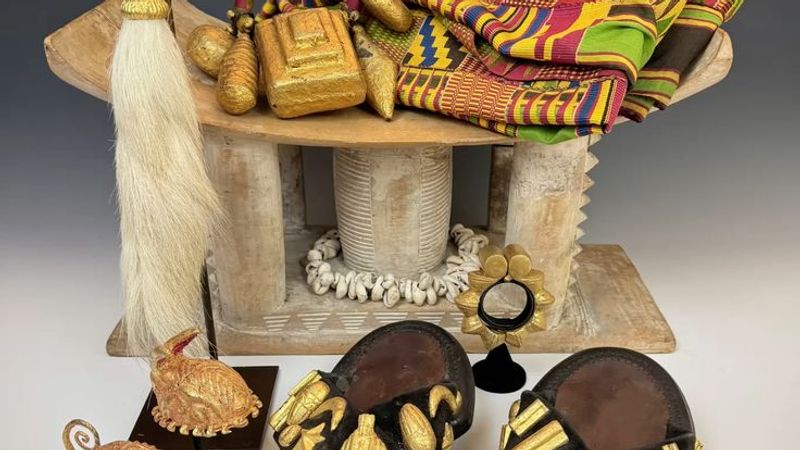
Photo Credit: ATOGO/ Pinterest
Costumes in African cinema function as sophisticated instruments of cultural diplomacy. When Nollywood films premiere on Netflix, Amazon Prime, or screen at prestigious festivals like the Toronto International Film Festival and Berlin Film Festival, they present African aesthetics on the world's most influential stages. The fabrics, colors, patterns, and silhouettes serve as cultural ambassadors, sparking global conversations about African heritage, craftsmanship, and identity. The African entertainment market is experiencing significant growth, with projections showing continued expansion through the coming years.
As Nollywood continues its meteoric rise, costume design remains a central component of its artistic and cultural impact. These garments, woven with tradition, styled with intention, and filmed with care, do more than dress actors. They showcase diverse ideas, celebrate heritage, and project African identity into the global consciousness with unprecedented power.
Visit Our Website to learn and explore more insights into African entertainment.