Exploring Nigeria Through Cuisine: Top 10 Dishes for Travelers to Try Out

Vera Ifechukwu
Click to view profile
Nigeria offers a world of flavours. Its cuisine is vast; a rich and diverse culture is reflected in every single dish. For many travelers, the food of a new country can feel overwhelming; you might not know where to start your culinary journey. With hundreds of ethnic groups, each boasting unique flavours, deciding what to try first can feel daunting. Many visitors stick to what feels safe, missing out on the dishes that truly represent the heartbeat of Nigeria.
This Nigerian cuisine travel guide brings clarity, direction, and flavour. From smoky soups to sizzling street snacks, here are ten iconic dishes travellers should not miss. Each plate tells a story of heritage, resilience, and joy. Showcase Africa highlights these meals not just as food but as cultural experiences.
Jollof Rice: The Celebration On A Plate
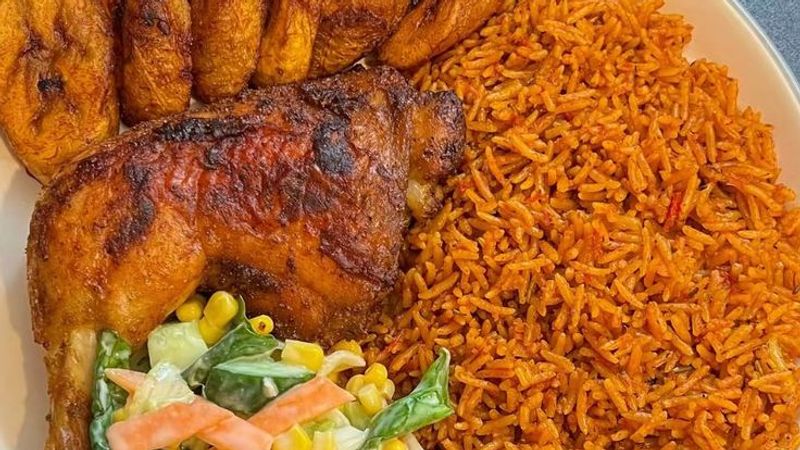
Photo Credit: Pedro/Pinterest
No Nigerian cuisine travel guide is complete without Jollof rice. Every Nigerian has a strong opinion on Jollof. It's more than just a rice dish. It is a symbol of celebration. The smoky aroma is unforgettable. This dish is made with long-grain rice. It is cooked in a rich tomato and pepper stew. Onions, thyme, and curry powder add deep flavour. A bay leaf adds a final, aromatic touch. The rice absorbs all the sauce. It gets a beautiful, reddish colour. Travellers should try Jollof with fried plantains and grilled chicken. Food festivals in Lagos often feature Jollof cook-offs, giving visitors the chance to compare versions. It is more than a dish. It is a celebration.
Ofada Rice And Ayamase Sauce: Local Luxury
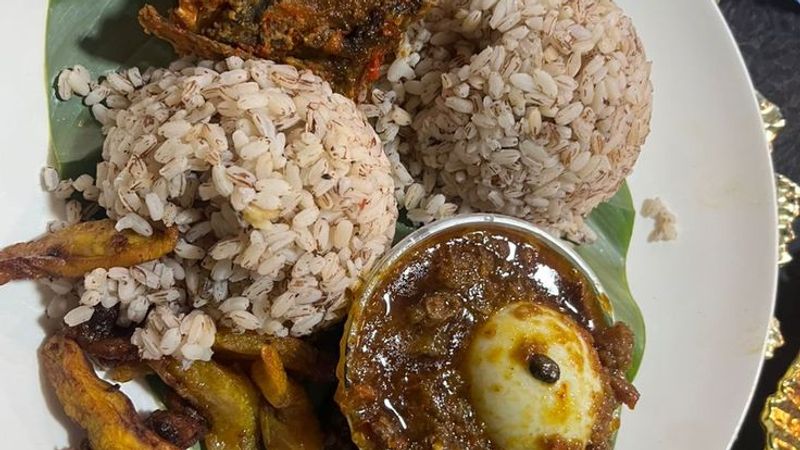
Photo Credit: Kunmi/Pinterest
This is a traditional delicacy from the Yoruba people. It is a unique and vibrant dish. Ofada rice is local brown rice. It has an earthy, nutty flavour. It is served with a green pepper stew. This stew is called Ayamase. The stew is made with green bell peppers. It also contains locust beans and fermented beans. Palm oil is a key ingredient; the oil is bleached until it darkens in color. This gives the stew its distinctive look and taste. The stew is also very spicy. It's often served in a large leaf, called a "banana leaf". It gives the meal a rustic feel. This dish is an acquired taste.
Egusi Soup: Rich, Nutty, And Comforting
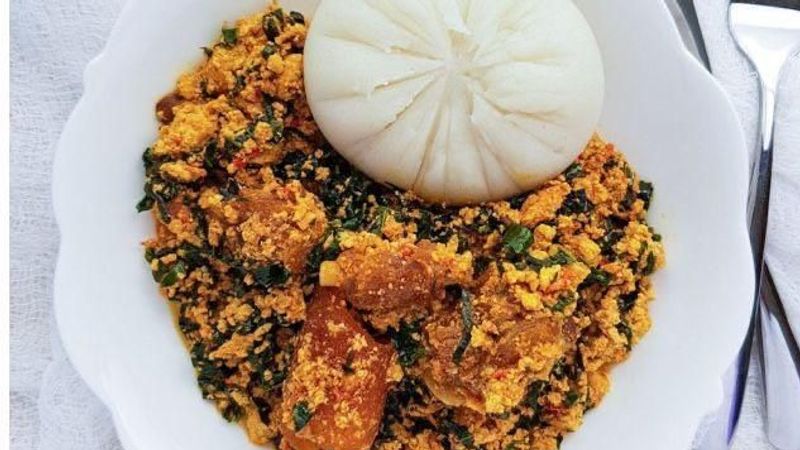
Photo Credit: Pinterest
Egusi soup is a traveller’s gateway into Nigeria’s love for hearty soups. Made with ground melon seeds, spinach, and spices, it is thick, rich, and deeply satisfying. The soup base is made of palm oil and peppers. Leafy vegetables are added at the end; these can be spinach or bitter leaf. Protein options are plentiful; they include beef, goat meat, and smoked fish. It is a dish full of nutrients. Served with pounded yams, fufu, or eba, it makes every bite an embrace. Locals say Egusi is a comfort food. For visitors, it introduces the magic of Nigerian soups.
Afang Soup: A Coastal Treasure
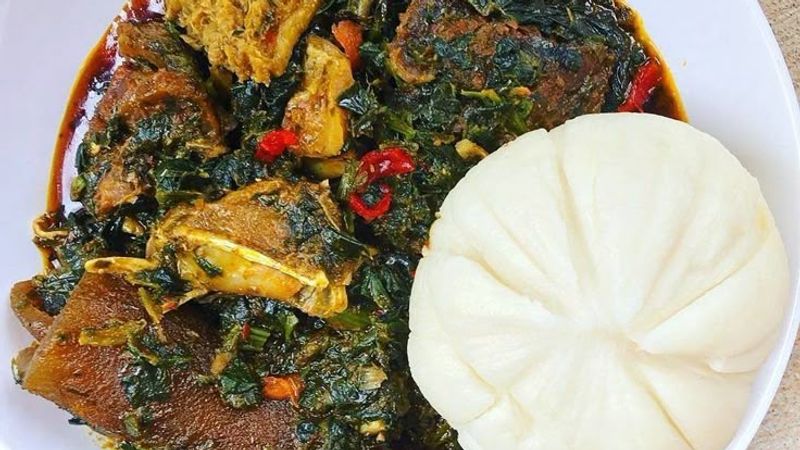
Photo Credit: DeyChop
Afang soup originates from the Efik and Ibibio people of southern Nigeria. It is a rich, earthy vegetable soup. The main ingredients are two distinct leaves. They are Afang leaves and waterleaf. Afang leaves are bitter and nutty; they are sliced thinly. Waterleaf provides moisture and volume. The soup is also packed with assorted seafood and meat. Periwinkles, snails, and smoked fish are common. It is seasoned with crayfish and palm oil. The taste is a unique blend; it is both bitter and sweet. The texture is thick and inviting.
Travellers can enjoy afang soup with fufu or garri. Its mix of vegetables and proteins reflects Nigeria’s coastal diversity.
Pounded Yam And Nsala Soup: A Traditional Pairing
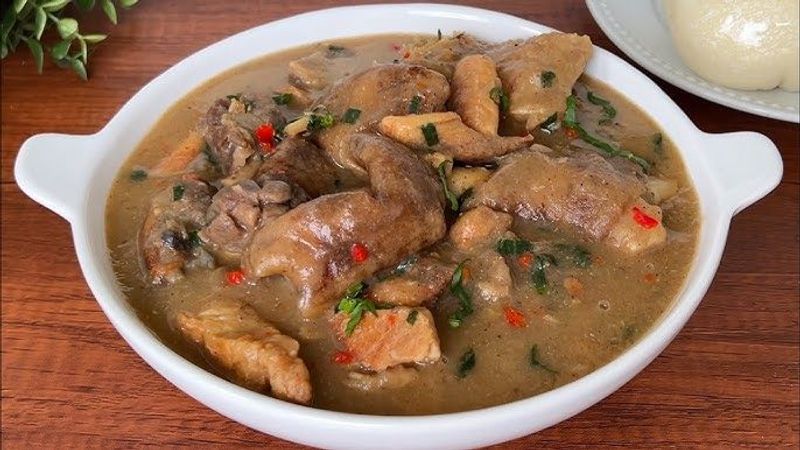
Photo Credit: MC AFFINITY/Pinterest
Pounded yam is a soft, stretchy staple prepared by pounding boiled yams until smooth. It is often paired with Nsala soup. Nsala soup is a true hidden gem; it is a light and flavourful broth. It comes from the Igbo people of Eastern Nigeria, it is often called "White Soup". The name comes from the absence of palm oil. Unlike other soups, it has a pale, clean colour. It is a delicate and sophisticated dish. It is made with fresh fish. Catfish is the most popular choice. The soup gets its thickness from yam cubes. They are cooked and mashed into a paste. The soup is flavoured with unique spices. These include utazi and uziza leaves. Utazi gives it a slight bitterness.
Pepper Soup: Nigeria’s Healing Broth

Photo Credit: Jacqueline Verral/Pinterest
Pepper soup is a light and flavourful broth. It is a popular starter or light meal. It is famous for its spicy kick. This soup is made with different proteins; you can use goat meat, chicken, or fish. It is seasoned with local spices, which include ehu seeds and uziza leaves. The taste is incredibly aromatic, and it has a warming and soothing effect. It is believed to have healing properties, especially for colds or postpartum recovery. Pepper soup is often served at bars, gatherings, and restaurants across Nigeria, a perfect comfort food.
Moi Moi: The Steamed Delicacy

Photo Credit: Zola Bretenel/Pinterest
Moi Moi is a savoury steamed bean pudding. It is made from blended beans, peppers, oil, onions, and spices. Some recipes include egg, fish, or corned beef for extra flavour. It is often eaten with jollof rice or bread, making it a versatile dish. Travellers will appreciate its healthy preparation method, as it is steamed rather than fried. Moi Moi shows how Nigerian cuisine balances nutrition with taste.
Akara: Breakfast With A Crunch

Photo Credit: John Phillips/Pinterest
Akara is a popular street food. It is also a favourite breakfast option. These are delicious deep-fried bean fritters. They are made from peeled beans. The beans are blended with peppers and onions. This creates a fluffy batter. The batter is then fried in hot oil. The result is a golden crispy exterior. The inside is soft and fluffy. Nigerians eat them for breakfast with pap, a fermented corn porridge. It is also served with bread; this combination is often called "Akara Burger." It's a simple, yet satisfying meal. It is also very affordable. You can find Akara vendors everywhere. Travellers will discover akara at street stalls in the mornings and local markets.
Suya: The Ultimate Street Food Grill
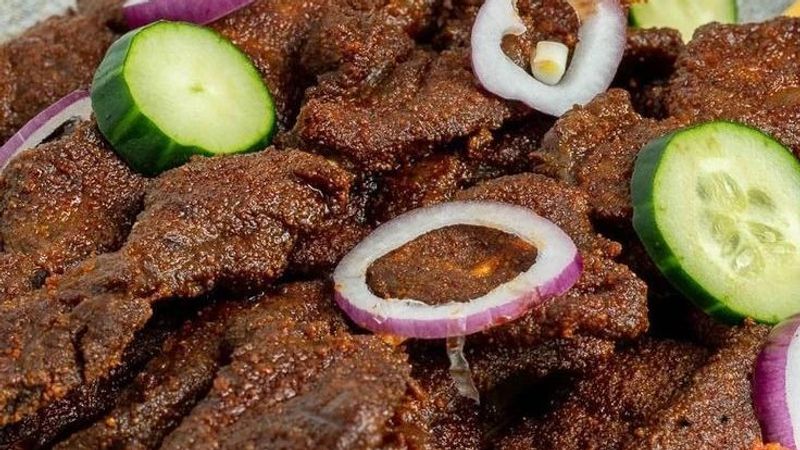
Photo Credit: TheBukaFood/Pinterest
Suya is Nigeria’s most famous street food export. As dusk falls, the scent of grilling meat fills the air. This is the scent of Suya. It is a very popular street food. Suya is thinly sliced beef or chicken. It is marinated in a special spice mix. This mix is called 'Yaji'. It contains ground peanuts, ginger, cayenne pepper, and other spices. The meat is then skewered and grilled. It is cooked over hot coals until tender. Suya is served with fresh onions and tomatoes. It comes wrapped in old newspapers. This is part of the tradition. It is a flavour explosion in your mouth. The spicy heat is perfectly balanced by the sweet onions. This is a must-try for any traveller.
Chin Chin: The Sweet Munch For Any Journey
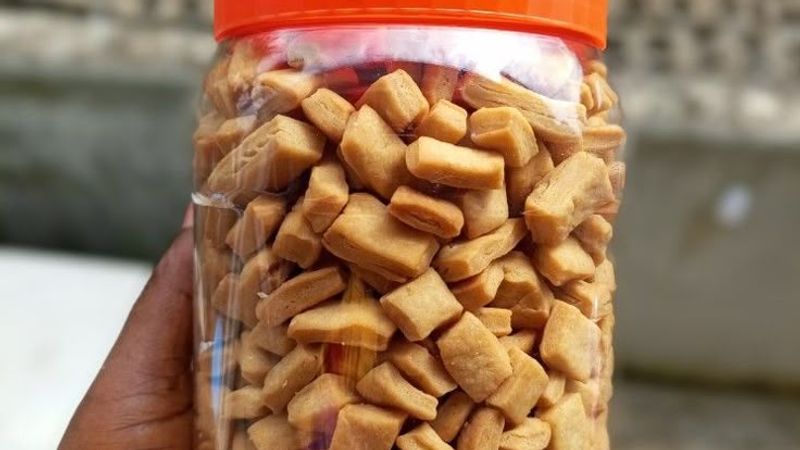
Photo Credit: mickiz confectionery/Pinterest
Chin chin is Nigeria’s beloved crunchy snack. These bite-sized fried dough cubes are sweet, spiced, and addictive. They are sold in shops, street stalls, and even airport kiosks. Travellers will find chin chin easy to pack for road trips. It is perfect for snacking while exploring Nigeria’s cities and countryside. A Nigerian cuisine travel guide would be incomplete without this small but mighty treat.
Showcase Africa takes you through Africa, Visit our website to explore more about culture and updates.
Our Website