Exploring African Theatre: The Heart of Live Performance

Andy Akinbamini
Click to view profile
African theatre culture represents one of the continent's oldest and most vibrant artistic expressions, predating European colonisation by millennia. From ritual performances serving spiritual and communal functions to contemporary literary dramas addressing postcolonial realities, African stage art encompasses extraordinary diversity in forms, themes, and performance practices.
Theatre in Africa serves not merely as entertainment but as a crucial medium for political debate, social cohesion, cultural preservation, and collective memory. This multifaceted nature distinguishes African theatre from Western theatrical traditions and positions it as an essential component of continental identity and global performance culture.
Historical Roots in Ritual and Community Performance
Photo Credit: Florida African Dance Festival/Pinterest
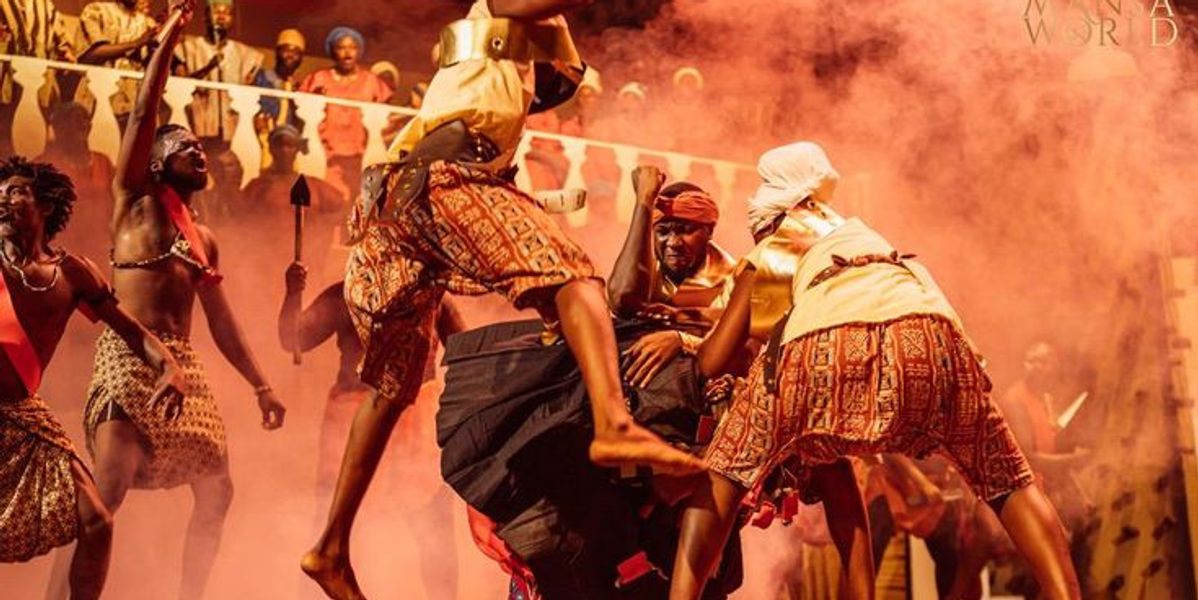
African theatre has a long history steeped in rich oral traditions, with diverse performance forms evolving from this ancestry to create a rich tapestry of practices. Pre-colonial performance included dance, storytelling, masquerade shows, and communal festivals serving spiritual, educational, and entertainment functions simultaneously. These performances integrated music, movement, costume, and audience participation in ways that challenged Western notions of theatre as passive spectator activity.
Total Theatre and Festival Aesthetics
African Total Theatre combines music, songs, dances, rituals, oral performances, and costumes, resonating with the diverse cultural backgrounds of the audience. This holistic approach reflects African theatre culture's distinctive characteristic of refusing artificial separation between performance elements.
Festival atmospheres infuse theatrical productions with communal energy and participatory spirit that transform audience members from passive observers into active participants, co-creating meaning.
Regional Variations Reflect Cultural Diversity
Ghana's Concert Party theatre flourished throughout the 20th century with traveling performance troupes presenting broad comedies and social satires using traditional and modern entertainment forms.
Nigeria stands out on the continent for theatre's vigour and range, with a rich cultural heritage that makes performance a natural means for political debate, celebration, and lament. South African theatre grapples with the legacies of apartheid through powerful dramas that examine racial dynamics, inequality, and reconciliation.
Contemporary Theatre Addresses Postcolonial Realities
Modern African theatrical works explore challenges of independence, questions of cultural identity, linguistic politics, and development issues through both experimental and traditional dramatic forms. Playwrights including Wole Soyinka, Ama Ata Aidoo, and Athol Fugard achieved international recognition and inspired generations of African dramatists.
Ghana Theatre Festival 2025 showcased the diversity of Ghanaian culture through performing arts at the National Theatre in Accra, demonstrating the continued vitality of theatrical traditions.
Theatre for Development Drives Social Change
Applied theatre initiatives address HIV/AIDS education, gender equality, agricultural practices, and governance through performances that inform and mobilise communities. These participatory theatre forms leverage African stage art's traditional social functions and adapt them for contemporary development challenges.
Practitioners recognise that theatre's communal nature and accessibility make it a powerful tool for behaviour change and community mobilisation in contexts where literacy rates may limit the effectiveness of other communication strategies.
Training Programmes Build Next Generation of Practitioners
Theatre schools, university programmes, and workshops across the continent train actors, directors, designers, and playwrights, ensuring continuity and innovation in African stage art. Organisations such as Market Theatre Laboratory in South Africa, Terra Kulture in Nigeria, and the National Theatre of Ghana provide training, performance spaces, and professional development opportunities.
International partnerships connecting African theatre practitioners with global networks facilitate knowledge exchange, touring opportunities, and collaborative productions that expand artistic possibilities.
Digital Platforms Expand Access and Preservation
Streaming services increasingly archive African theatrical performances, making them accessible to continental and diaspora audiences unable to attend live shows. Virtual festivals emerged during global health crises and continued as viable formats, expanding geographic reach beyond physical venue limitations.
Digital documentation preserves performances for future generations and scholarship, addressing historical gaps in which African theatrical traditions existed primarily through oral transmission and ephemeral live performances.
Explore African theatre culture and African stage art from ritual performances to contemporary drama. Discover how live performance shapes identity and community.
Visit our Website to learn more and explore Africa.