Drone Cameras and Storytelling: Changing the Way Africa Films Its Stories

Titilayo Ifeoluwa
Click to view profile
Across Africa, the evolution of filmmaking has always reflected the continent’s creativity, resilience, and unique storytelling spirit. From handheld cameras that documented local markets to the steady rise of digital cinematography, filmmakers continue to find new ways to tell African stories. Now, a quiet revolution is taking flight literally with the introduction of drone technology in storytelling.
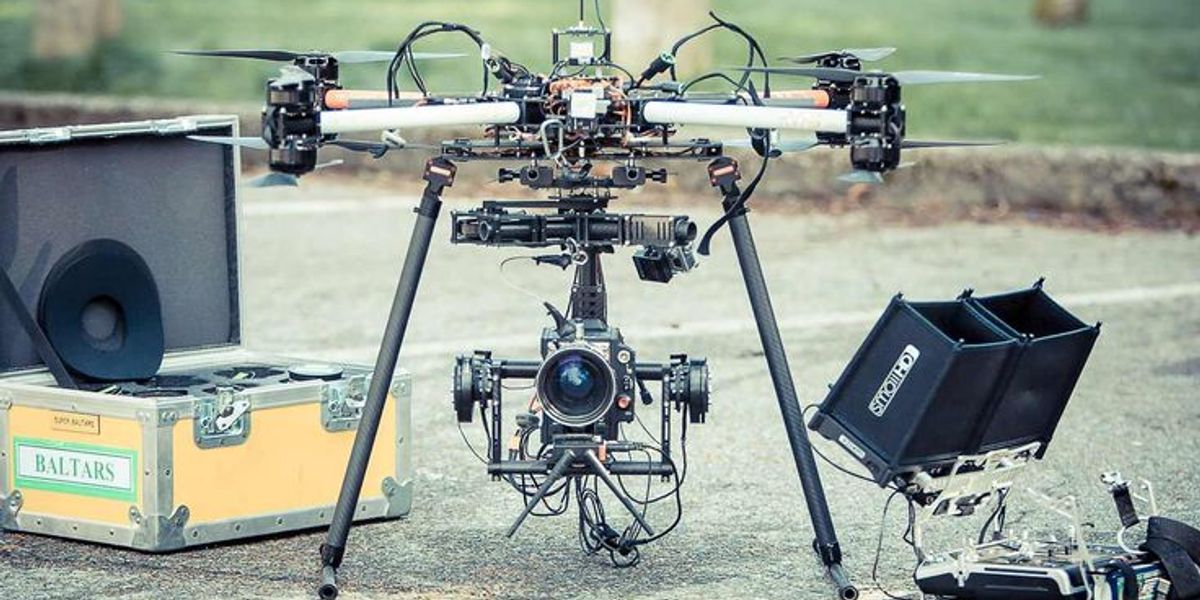
Drones have not only redefined cinematic visuals but also expanded the scope of African film narratives. What was once limited to static or ground-level shots can now soar to capture entire landscapes, communities, and histories from above, offering audiences a breathtaking new view of the continent’s beauty and complexity.
Drones and a New Visual Language
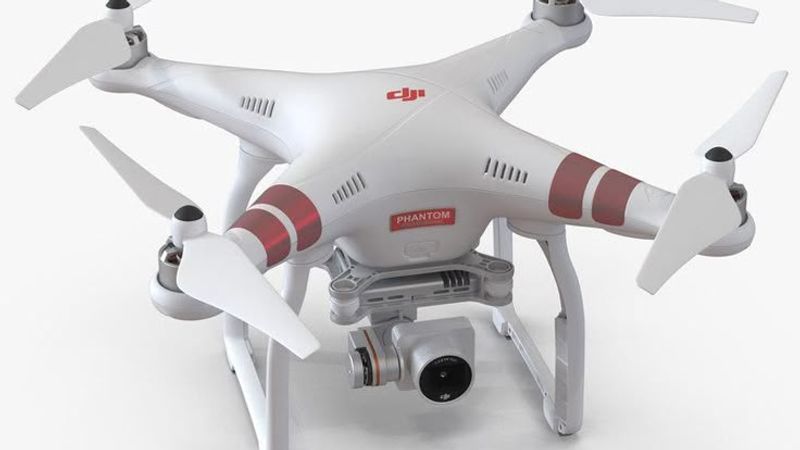
Photo Credit: Pond5/ Pinterest
In recent years, drone cameras have transformed the way African filmmakers capture landscapes and narratives. From sweeping aerial shots of Lagos’ skyline to the vast savannahs of Kenya, drones have added cinematic depth that was once impossible due to high production costs. Several African countries are rapidly embracing drone technology, not only in technology and logistics, but also in creative industries such as film and digital storytelling.
Empowering Independent Filmmakers
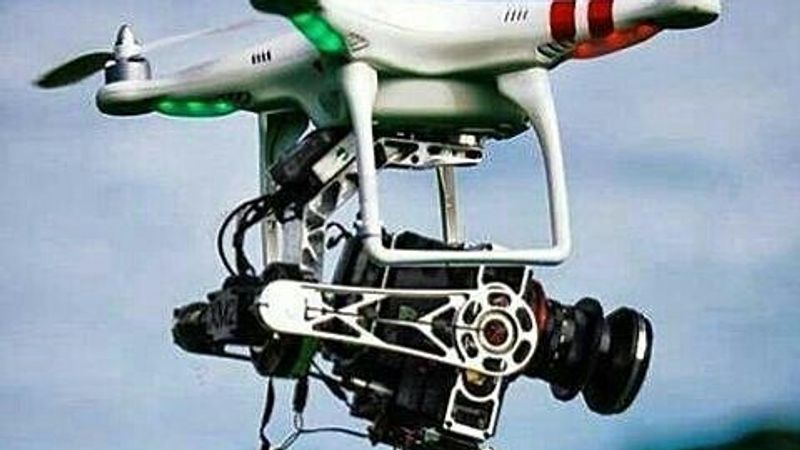
Photo Credit: Pinterest
Drones have democratized filmmaking across Africa. What was once accessible only to big studios is now in the hands of independent creators. A report highlighted that young cinematographers in Ghana and Kenya are using drones to shoot short films, documentaries, and even wedding stories that rival Netflix productions.
Navigating Regulations and Realities
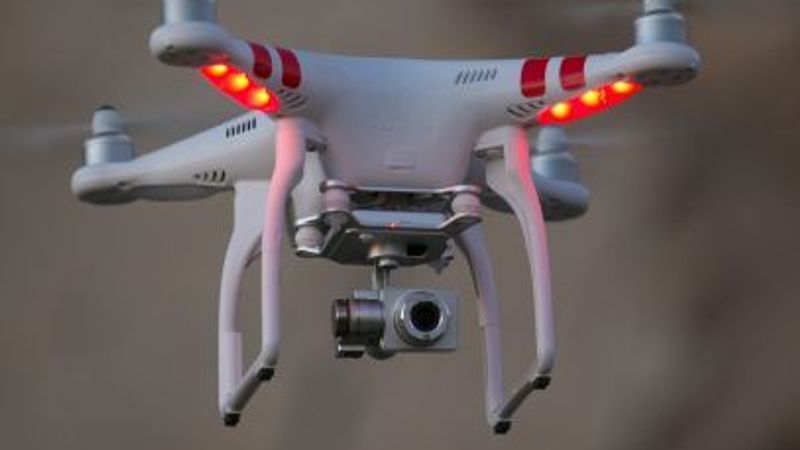
Photo Credit: Pinterest
While drones are revolutionizing film production, regulations remain uneven across the continent. In Nigeria, South Africa, and Kenya, filmmakers are required to obtain flight permits before aerial shooting, a process that can be lengthy. A report by Aviation Connect Africa reveals that the growing number of drones, especially in cities like Lagos, has prompted aviation authorities to tighten safety standards and registration requirements for drone operators.
Drones in Documentaries and Cultural Storytelling
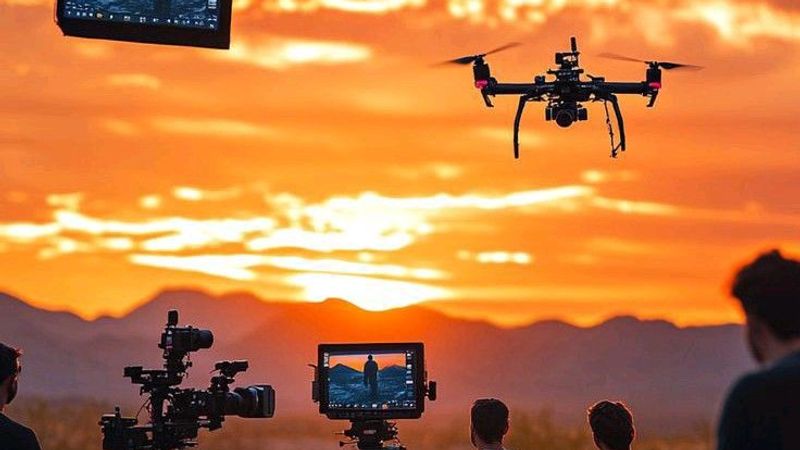
Photo Credit: Pinterest
Beyond entertainment, drones have become crucial tools for documenting African heritage and rural life. Filmmakers now use aerial visuals to highlight community festivals, sacred lands, and environmental change. As BBC News notes, drones are helping African creatives tell stories “from above,” offering new perspectives that celebrate culture, resilience, and innovation. Through documentaries and short films, drones have turned storytelling into both an art and a record of living memory, bridging the gap between traditional narratives and modern cinematography.
A Sky Full of Possibilities
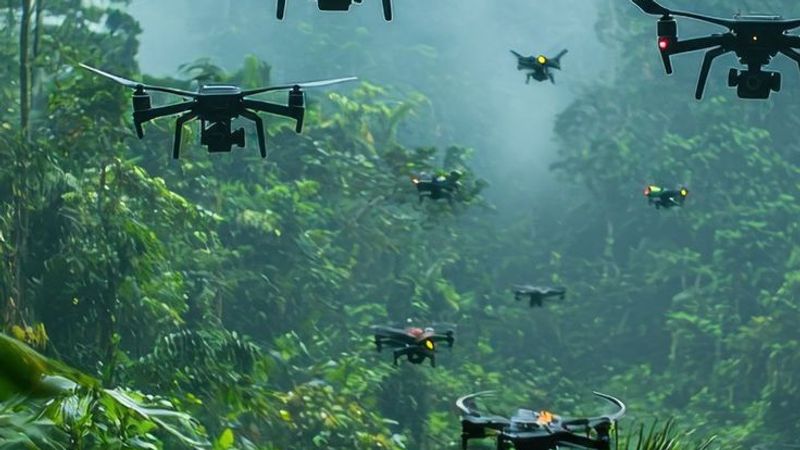
Photo Credit: Remoteflyer/ Pinterest
As drone technology becomes more accessible, the sky’s no longer the limit for African storytellers; it’s the canvas. Young directors, content creators, and cultural documentarians are embracing aerial cinematography to show Africa in ways never seen before. With each flight, they are not just filming; they are rewriting the visual language of African storytelling.
Drones have changed not only the way Africa films but also the way it dreams. From the sky-high perspectives of Lagos to intimate rural moments, drone storytelling is shaping a new cinematic identity —one that blends innovation with heritage. Africa is no longer waiting for the world to define its image; it’s taking flight and capturing it on its own terms.
Visit Our Website to learn and explore more insights into African entertainment.