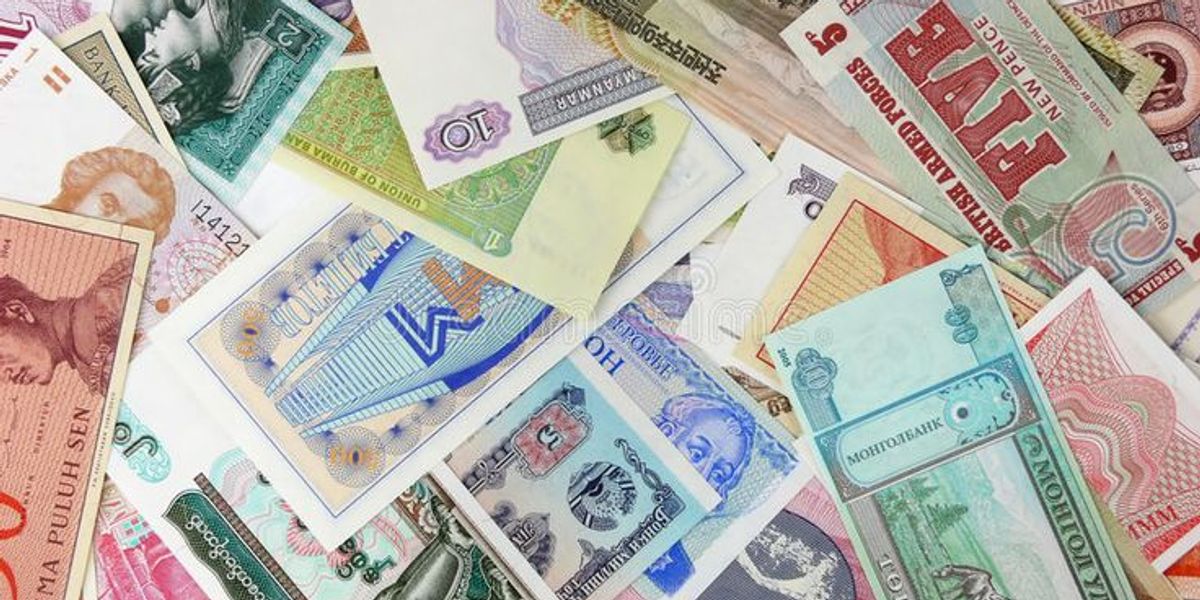
Currency Exchange Trends Africa 2025

Andy Akinbamini
Click to view profile
Exchange rate stability and currency strength matter significantly for cross-border trade, foreign investment, and economic confidence in African markets. Several African currencies have demonstrated remarkable resilience despite global economic challenges, maintaining strong values through prudent monetary policy and effective economic management.
African currency markets in 2025 show varied performance, with some currencies maintaining impressive strength against major international currencies. Understanding which African currencies perform best helps investors, businesses, and travelers make informed financial decisions when dealing with African markets. Currency strength reflects each country's economic policies, trade relationships, inflation control, and foreign exchange management strategies.
Tunisian Dinar Leads Continental Currency Rankings
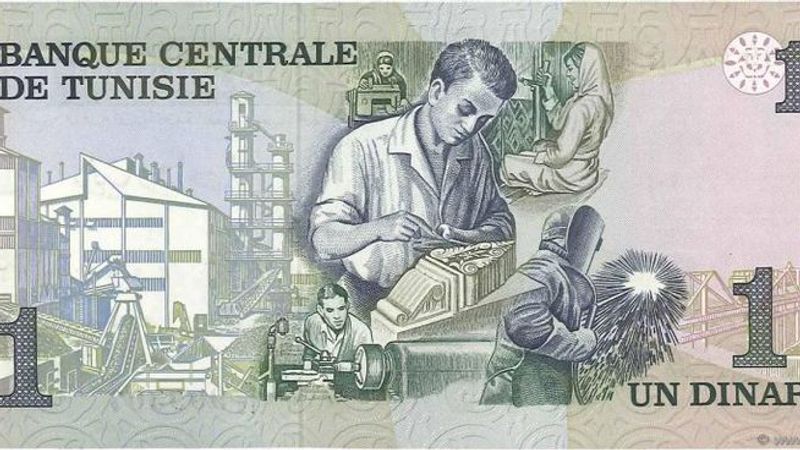
Photo credit: Bmrad Moez/Pinterest
The Tunisian Dinar maintains its position as Africa's strongest currency in 2025, with an exchange rate of approximately 2.91 TND per US dollar. This currency strength results from Tunisia's disciplined monetary policy, controlled inflation, and robust trade relationships particularly with European markets. The Tunisian government maintains strict foreign exchange regulations that help stabilize the currency while managing import demands. Tunisia's diversified economy spanning manufacturing, agriculture, and services provides a solid foundation for currency stability despite regional economic pressures.
North African Currencies Show Consistent Strength
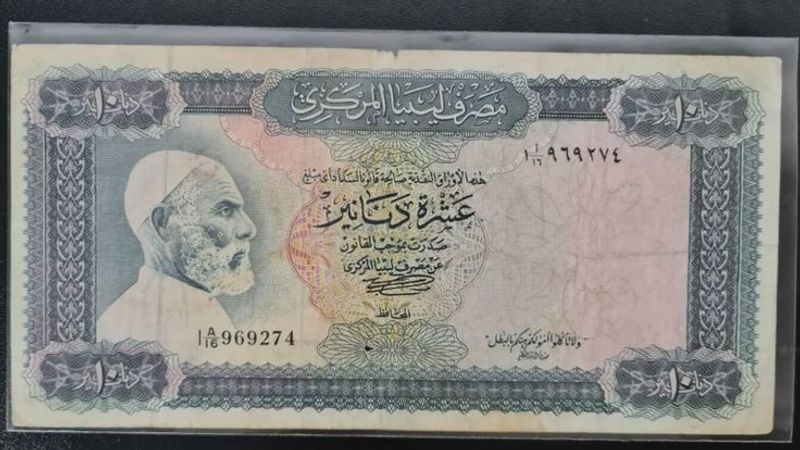
Photo credit: AliExpress/Pinterest
The Libyan Dinar ranks among Africa's strongest currencies, trading at approximately 5.42 LYD per dollar, supported by the country's substantial oil reserves. Morocco's Dirham performs well at around 9.12 MAD per dollar, benefiting from the country's diversified economy and strong European trade ties. North African currencies generally demonstrate stability due to established trade relationships, controlled monetary policies, and relatively diversified economic bases. These currencies maintain strength through careful management of foreign exchange reserves and strategic economic policies.
Economic Policies Drive Currency Performance

Photo credit: World Market Trends/Pinterest
Strong African currencies typically reflect disciplined monetary policies, controlled inflation, and effective foreign exchange management by central banks. Countries that maintain currency strength often implement strict import controls, manage foreign reserves carefully, and maintain trade surpluses or balanced accounts. Inflation control measures and sound fiscal policies create confidence in currency stability, attracting foreign investment and supporting exchange rate strength. Economic diversification beyond single commodity dependence helps countries maintain more stable currencies resistant to external shocks.
Regional Currency Trends Vary Significantly

Photo credit: michaeljung/Pinterest
West African countries using the CFA Franc benefit from currency stability through fixed exchange rates pegged to the Euro. East African currencies show varied performance based on individual countries' economic policies, with some maintaining relative stability while others face depreciation pressures. Southern African currencies experience different trends depending on commodity prices, political stability, and economic policy effectiveness in each country. Understanding regional currency dynamics helps businesses and investors develop appropriate strategies for different African markets.
Foreign Exchange Reserves Support Stability
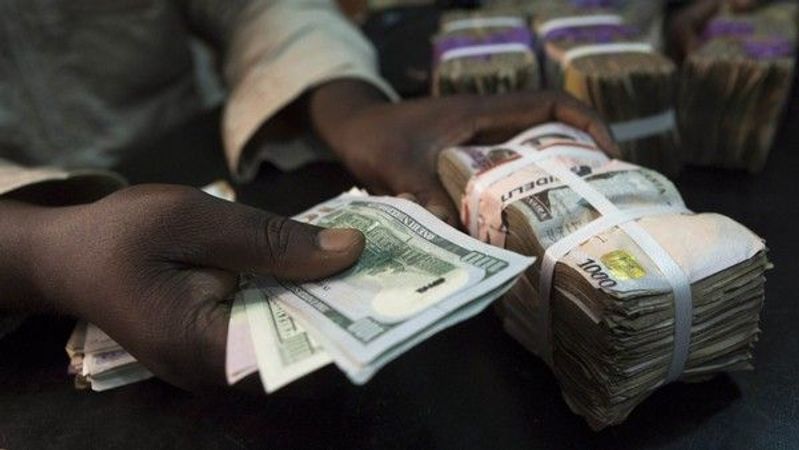
Photo credit: Pinterest
Countries with strong currencies typically maintain adequate foreign exchange reserves that provide buffers against external economic shocks and currency speculation. Central banks use foreign reserves to intervene in currency markets when necessary to prevent excessive volatility or depreciation. Building and maintaining foreign reserves requires export earnings, foreign investment inflows, and careful management of external debt obligations. Strong reserve positions increase international confidence in currency stability and support long-term economic planning.
Currency Trends Impact Business And Investment
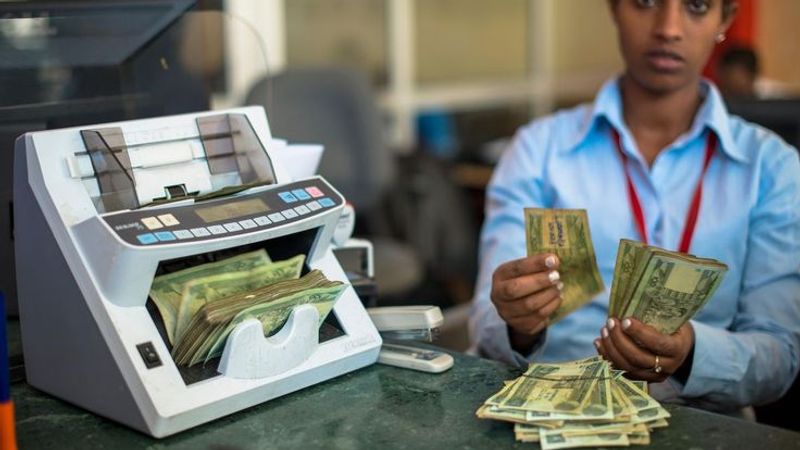
Photo credit: Forbes/Pinterest
Exchange rate movements significantly affect international trade, foreign investment returns, and cross-border business operations throughout Africa. Currency stability encourages foreign investment by reducing exchange rate risks and making returns more predictable for international investors. Businesses engaged in import-export activities must monitor currency trends to manage pricing strategies and protect profit margins from exchange rate fluctuations. Understanding currency performance helps companies and investors make better decisions about market entry, pricing, hedging strategies, and financial planning across African operations.
Visit Our Website to learn and explore more insights into African entertainment.