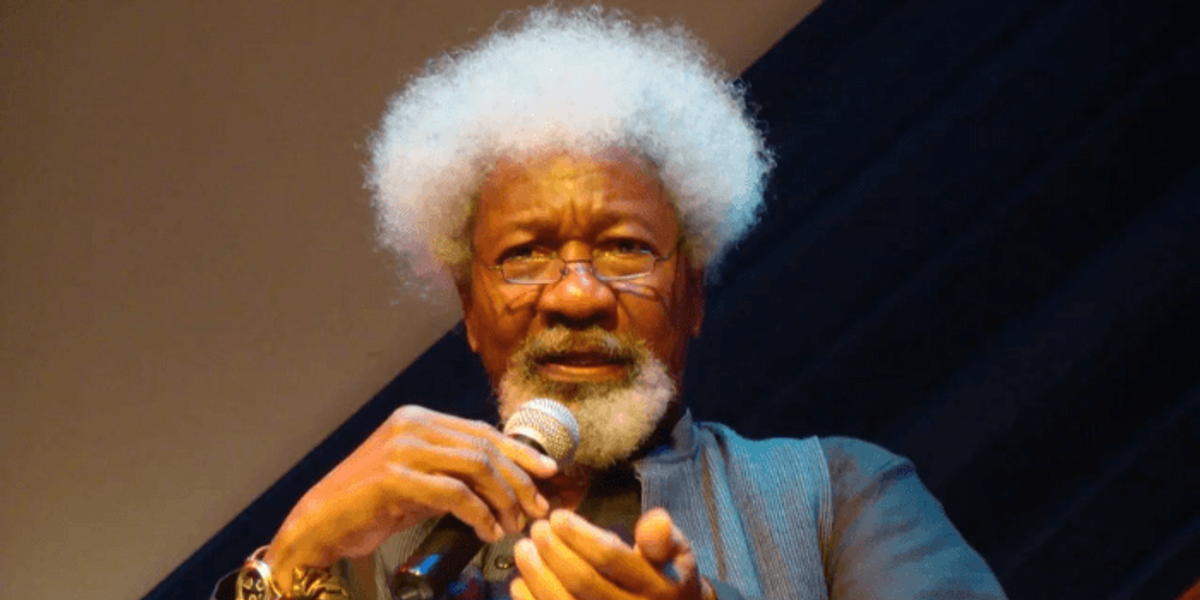
Cultural Icons of Africa”: Daily Profiles of Musicians, Artists and Poets. Part 3: Wole Soyinka

Vera Ifechukwu
Click to view profile
Wole Soyinka remains one of the most potent voices in African literature. His journey reflects courage, curiosity, and an unshaken devotion to truth. He used his craft to challenge injustice and celebrate identity. His life shows how African icons' culture continues to shape global understanding. Soyinka’s legacy reminds audiences that Africa’s voices deserve to be heard by Africans so that the world can appreciate them with clarity.
His creative path blends memory, history, and humanity with remarkable depth. This profile uses biographical storytelling to inspire readers and deepen their connection to one of the greatest African legends. It also provides updates and trends that reveal the expanding influence of his work across modern art, society, and education. His journey encourages young thinkers to value their heritage and guard the power of their stories.
Early Life And Cultural Background
Wole Soyinka was born in 1934 in Abeokuta, a vibrant Yoruba town with rich cultural traditions. His childhood exposed him to storytelling, communal rituals, and his parents' strong moral teachings. These experiences nurtured his early interest in drama and language. Soyinka grew up surrounded by cultural expressions that shaped his worldview and sharpened his creative instincts. His home environment became the foundation of his artistic brilliance.
Rise To Global Recognition
Soyinka’s plays and essays began receiving critical acclaim in the late 1950s. His works carried strong messages about justice, identity, and moral responsibility. Audiences recognised his ability to confront sensitive issues with boldness and grace. His dramatic style represented African icons' culture in its purest form. Soyinka became a leading voice who challenged oppressive structures through creative expression. His reputation expanded rapidly across continents.
Winning The Nobel Prize In Literature
In 1986, Wole Soyinka became the first African to win the Nobel Prize in Literature. The award celebrated his contribution to cultural clarity and artistic courage. It marked a major milestone for African legends and strengthened global respect for African storytelling. His win inspired creators across the continent to pursue excellence in their craft. The achievement also highlighted Africa’s intellectual strength. It positioned Soyinka among the most influential writers of the modern era.
Soyinka’s Role As A Cultural Defender
Soyinka used his platform to protect cultural values and promote human dignity. He challenged systems that threatened artistic freedom and social justice. His advocacy stood firmly against censorship and discrimination. Soyinka believed that stories helped safeguard identity and build strong communities. His work reflected a deep commitment to preserving African traditions and historical memory. He became a cultural protector for generations seeking guidance and truth.
Political Courage And Social Conscience
Soyinka did not separate his creativity from his civic responsibility. He confronted political oppression with fearless honesty. His activism led to imprisonment during Nigeria’s civil conflict. Despite this hardship, he continued to speak about fairness and accountability. Soyinka showed how artists could use their voices responsibly. His courage strengthened movements that demanded better leadership across Africa. This role solidified his place among enduring African legends.
The Power Of Soyinka’s Poetic Voice
Beyond drama, Soyinka’s poetry expressed emotional truth and deep philosophical thought. His poems highlighted personal struggles and collective experiences. They carried rhythms inspired by Yoruba oral traditions. His poetic voice offered wisdom that connected readers across generations. Soyinka used poetry to reflect on identity, loss, and transformation. This artistic range enriched his global influence.
Soyinka’s Relevance In Contemporary Creative Spaces
Many modern filmmakers, dramatists, and poets draw inspiration from Soyinka’s bold style. His themes resonate with contemporary issues such as governance, identity, and community. Creative industries across Africa study his works for structure and impact. Soyinka’s legacy supports the growth of digital arts and theatre innovation. His presence influences creative movements that celebrate African voices. This relevance continues to expand through cultural festivals and academic programmes.
Soyinka’s Vision For A Better Society
Soyinka used his work to promote fairness and respect for human dignity. He believed that societies grew stronger when people challenged injustice. His vision encouraged leaders to act responsibly. Soyinka’s writings urged citizens to value accountability and moral clarity. His voice remains a guide for building stable communities. This vision continues to inspire national development across Africa.
Practical Advice For Emerging Creators
Aspiring writers and artists can study Soyinka’s discipline to strengthen their craft. He teaches the importance of reading widely and observing society closely. Creators should explore their heritage and understand its cultural depth. Soyinka’s journey shows how courage shapes meaningful work. He encourages emerging talents to write with clarity and purpose. These principles help creators build strong artistic foundations.
Why Soyinka’s Voice Still Matters Today
Soyinka’s voice remains important because it speaks to the core of human experience. His stories help readers reflect on justice, courage, and belonging. His ideas guide societies through change and conflict. Soyinka’s influence encourages Africans to protect their cultural identity. His powerful voice continues to inspire global respect for African legends. His legacy remains active in both artistic and political discussions.
Soyinka’s message reminds us that African stories hold global value. They help future generations understand their identity and heritage. His work encourages Africans to share their experiences with confidence. These voices strengthen the world’s understanding of cultural diversity. Showcase Africa promotes this duty by highlighting the continent’s greatest creators. This collective effort helps preserve the pride of African icons' culture for years to come.
A captivating cultural profile of Wole Soyinka, exploring his legacy, influence, and place among African legends.
Visit our website for more features.