Cultural Crossovers: How African Traditions Are Thriving Abroad

Vera Ifechukwu
Click to view profile
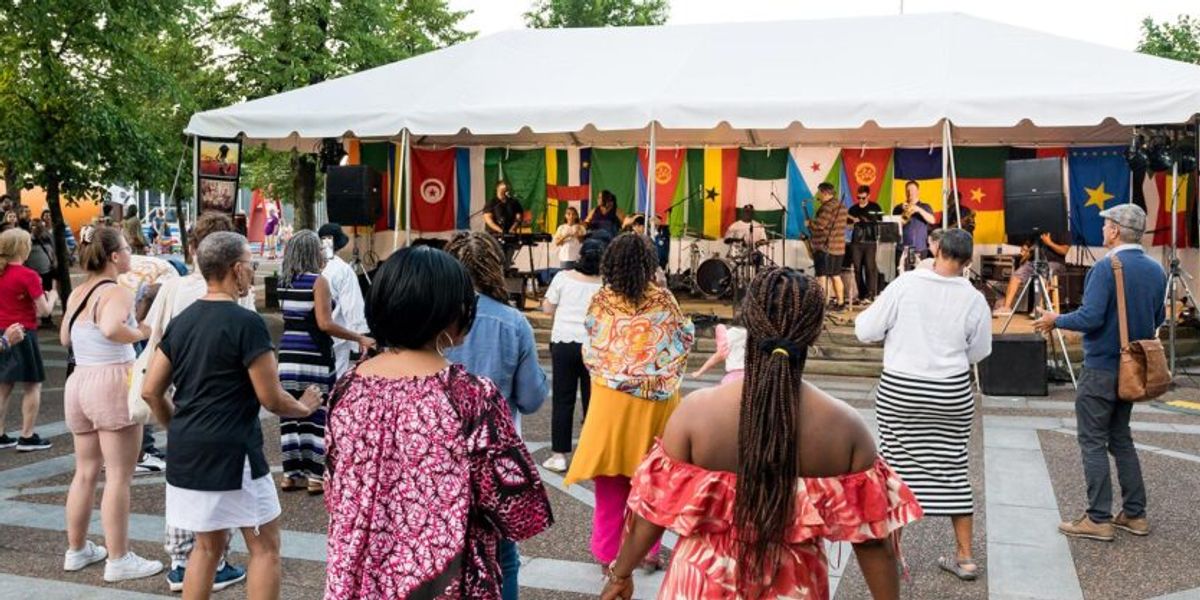
African traditions are no longer confined to villages, towns, or cities on the continent. Across Europe, the Americas, and Asia, African culture abroad is thriving in new and powerful ways. From bustling food markets in London to Afrobeat clubs in New York, traditions have crossed borders and reinvented themselves without losing authenticity.
Yet, for many in the diaspora, accessibility remains a challenge. Finding a trusted tailor, a genuine spice mix, or a cultural space can feel overwhelming. Still, the resilience of African traditions ensures they adapt, creating bridges between heritage and modern life. Showcase Africa highlights these cultural crossovers, providing updates and trends to help Africans abroad stay connected.
African Food Abroad: More Than Just Meals
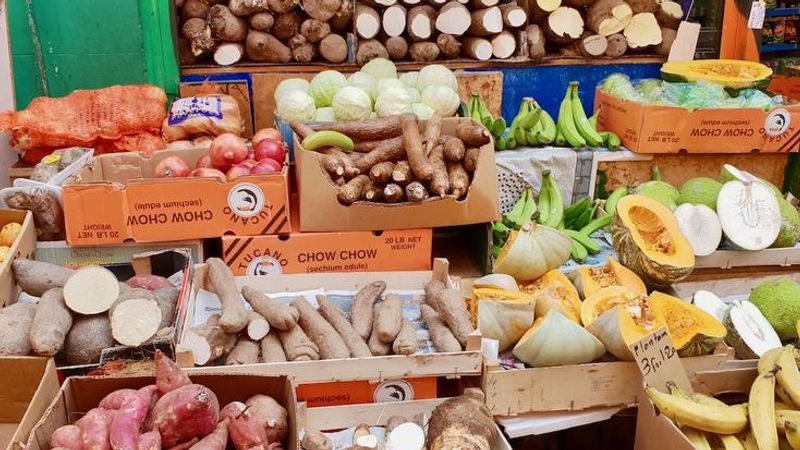
Photo Credit: Guide London/Pinterest
Food has always been a cultural anchor. Across major global cities, African restaurants and markets now offer tastes of home. In Paris, Senegalese thieboudienne warms the tables of West African families. In London, Nigerian jollof rice and suya are staples of community gatherings.
Across New York, Ethiopian restaurants draw diverse audiences with injera and spiced stews. These meals are not just recipes but reminders of ancestry. They connect communities, heal nostalgia, and share Africa’s richness with global audiences.
Fashion Crossovers: From Ankara To Runways

Photo Credit: The Guardian Nigerian News
African textiles have moved from local markets to international catwalks. Designers like Duro Olowu and Lisa Folawiyo blend traditional fabrics with modern silhouettes. Ankara prints, kente cloth, and indigo-dyed fabrics now appear on global runways. Fashion shows in London, Milan, and New York often feature African-inspired designs, worn proudly by both Africans and non-Africans.
These crossovers affirm that African culture abroad is not static. It evolves, influencing global fashion while maintaining heritage roots. For diaspora communities, African fashion is more than style. It is a declaration of identity, worn at weddings, naming ceremonies, and cultural festivals.
Music And Dance: Africa’s Global Pulse

Photo Credit: Business247News
Music is one of Africa’s strongest exports. Afrobeat, Amapiano, and highlife have become global sounds, filling clubs and festivals worldwide. Wizkid, Burna Boy, and Angelique Kidjo bring African culture abroad to millions through concerts and collaborations. Traditional beats, mixed with contemporary rhythms, create genres that dominate streaming platforms.
Dance, too, travels with music. From Azonto in Ghana to Amapiano in South Africa, African dances are trending on TikTok, connecting global youth to African rhythms. These movements are not just entertainment. They serve as cultural education, carrying stories of resilience, joy, and community.
Festivals: Spaces Of Belonging Abroad
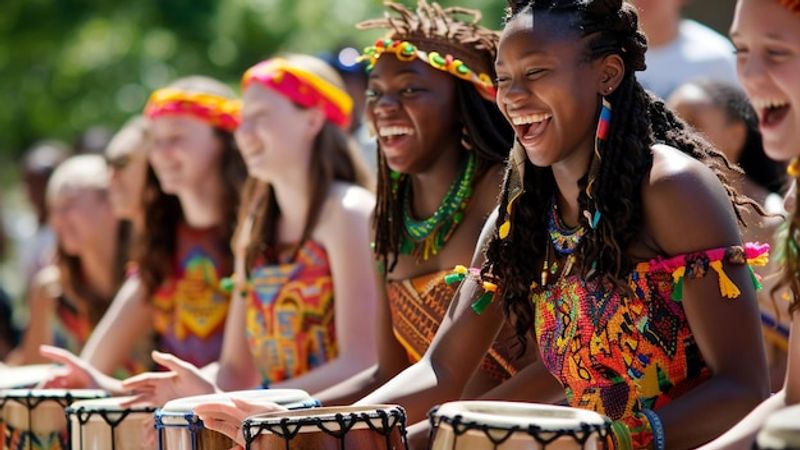
Photo Credit: Freepik
Festivals provide some of the most visible cultural crossovers. Across cities such as Toronto, London, and Berlin, African festivals draw thousands. The Notting Hill Carnival in London, although rooted in Caribbean identity, showcases African traditions through music and costumes. Afro Nation festivals celebrate African artists, fashion, and cuisine in global venues.
These gatherings provide diaspora communities with a sense of belonging, enabling younger generations to experience their culture beyond the confines of their family walls. Showcase Africa provides updates on such festivals, helping Africans abroad stay informed about opportunities to celebrate their culture.
Spirituality And Identity Abroad
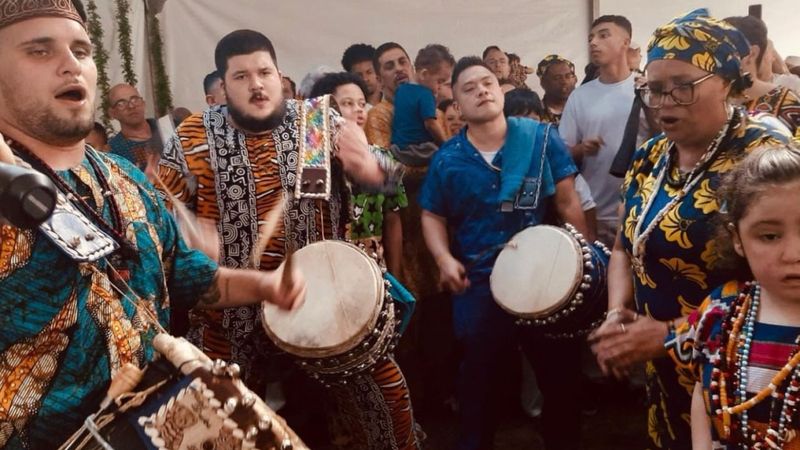
Photo Credit: The Ancestral News
African spirituality has crossed oceans, adapting and thriving. Yoruba traditions have a significant influence on Candomblé in Brazil and Santería in Cuba. Across Europe and North America, African churches and mosques serve both spiritual and cultural needs of their communities. They provide not only faith but also safe spaces for cultural expression.
Spiritual practices affirm identity, helping diaspora communities retain a sense of belonging even in foreign environments. For many, attending cultural or religious events abroad is essential for raising children who understand their heritage.
Art And Storytelling Across Borders
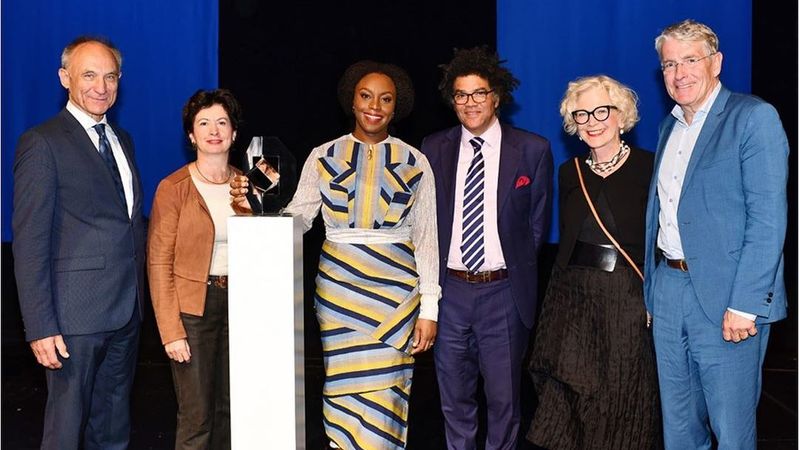
Photo Credit: BellaNaija
African storytelling, once an oral tradition, now travels through literature, film, and the visual arts. Writers like Chimamanda Ngozi Adichie and Ngũgĩ wa Thiong’o explore migration, identity, and cultural memory. Film industries across Africa, such as Nollywood, have expanded abroad. African culture abroad thrives through streaming platforms, making films available to global audiences.
Art galleries in Berlin, Paris, and New York are increasingly showcasing the work of African artists. Their works explore themes of migration, hybridity, and identity. Through these platforms, African stories gain visibility, ensuring traditions evolve while reaching new audiences.
Cultural Crossovers As Innovation
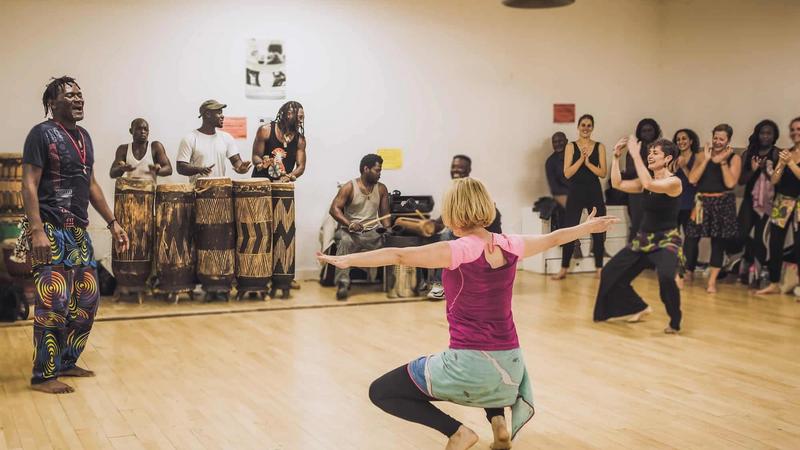
Photo Credit: Hip Paris Blog
Cultural crossovers are not only preservation; they are innovation. A Nigerian chef in London may fuse jollof rice with Italian risotto. A Ghanaian DJ in Berlin may mix highlife with electronic beats. These crossovers prove African traditions are not relics. They are living, adaptive, and global. Showcase Africa reports on these stories, highlighting how traditions transform the cultural landscape abroad.
Why Cultural Crossovers Matter
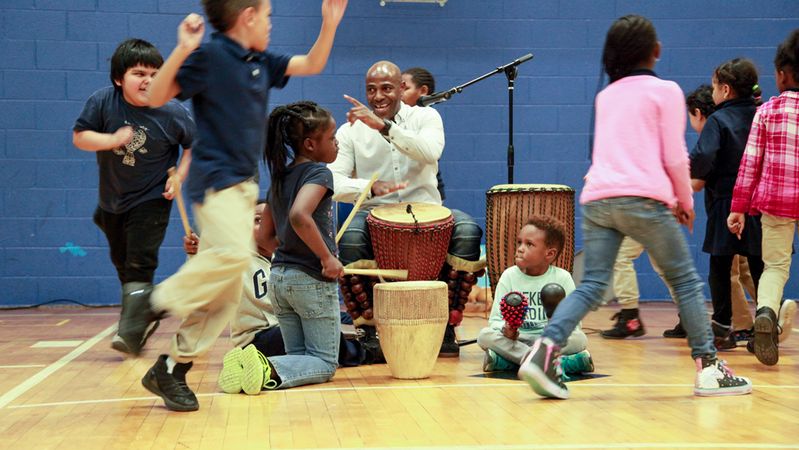
Photo Credit: Art for Learning
African culture abroad influences how the world perceives Africa. It challenges stereotypes of poverty or conflict by showcasing creativity, resilience, and innovation. For diaspora Africans, cultural crossovers strengthen identity. They help children of immigrants connect with their roots, even if they have never visited Africa. For non-Africans, these traditions provide an opportunity for education and cultural exchange, fostering empathy and appreciation. In a divided world, such crossovers act as bridges, promoting unity through shared experiences.
African culture abroad is alive, thriving, and shaping global identities. From food and fashion to music and spirituality, traditions continue to evolve while remaining deeply rooted in their origins. Accessibility challenges remain, but solutions are growing. These cultural crossovers prove Africa’s traditions are not relics. They are living, dynamic forces shaping the world.
Visit our website for more stories, updates, and cultural insights on Africa’s traditions.