CuisineQuest: Tasting Kenya’s Diverse Flavors

Vera Ifechukwu
Click to view profile
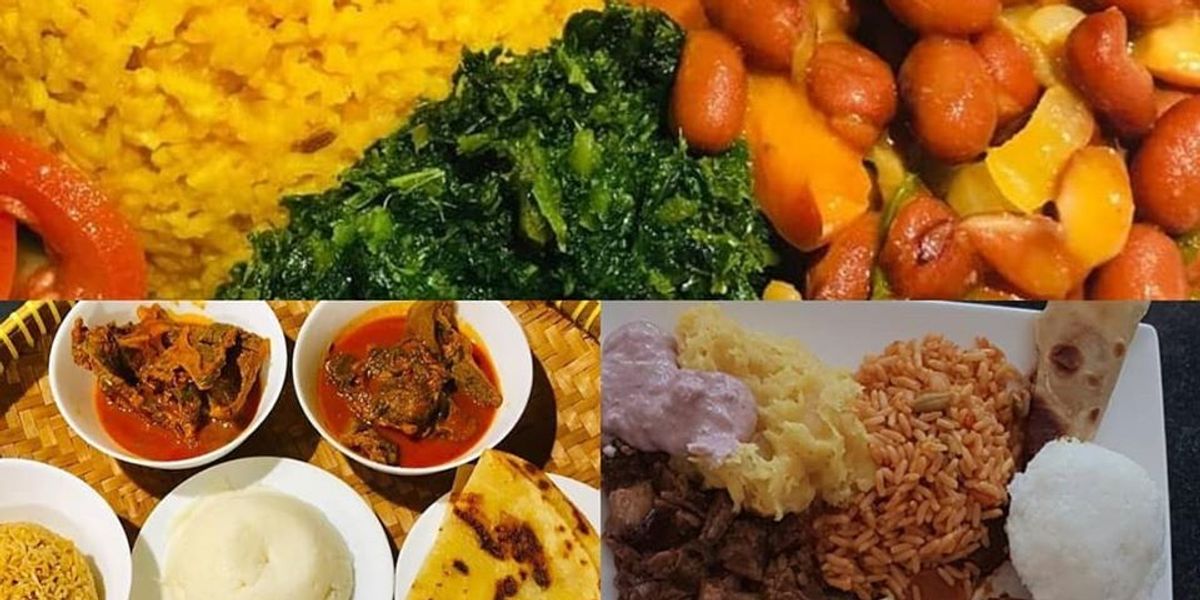
Kenya’s cuisine tells a story of diversity, migration, and cultural blending. Each dish carries the essence of landscapes, communities, and traditions. From coastal spices to highland grains, food in Kenya connects people across regions, generations, and cultures.
Many believe African cuisine is simple, plain, or repetitive. Kenyan food proves otherwise. It is richly layered, deeply regional, and shaped by centuries of trade, migration, and creativity.
Ugali: The National Staple
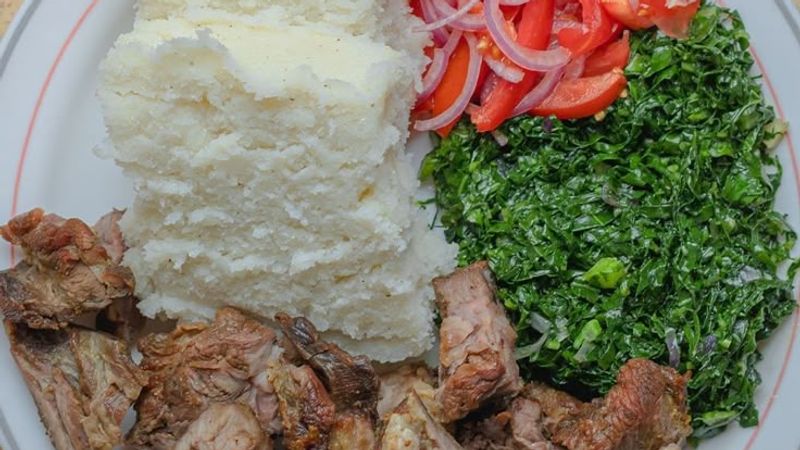
Photo Credit: Caroline Nyambura/Pinterest
Ugali, a stiff porridge made from maize flour, is Kenya’s national dish. It anchors almost every meal. Simple in preparation yet versatile, ugali is eaten with vegetables, fish, or meat. Its mild flavour allows it to pair perfectly with stronger accompaniments. For many Kenyans, ugali symbolises home, nourishment, and cultural identity. In the Rift Valley, ugali is eaten with sour milk. Along Lake Victoria, it pairs with fried tilapia. Its role in uniting Kenya’s diverse communities cannot be overstated.
Nyama Choma: Kenya’s Barbecue Pride
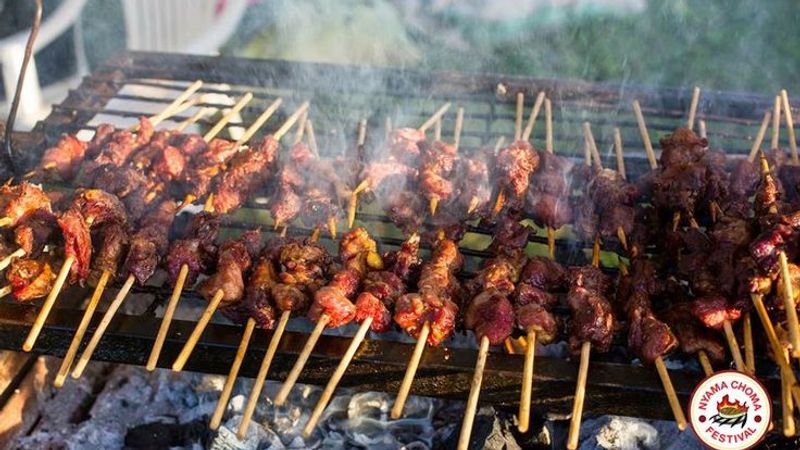
Photo Credit: Lily An/Pinterest
Nyama choma, which translates to "roast meat," is more than food. It is a cultural event. Goat or beef is slow-roasted over open flames, often seasoned only with salt. Served with kachumbari (tomato-onion salsa), it brings people together for celebrations, political debates, or casual outings. Nyama choma restaurants in Nairobi and across Kenya are vibrant hubs of social life. Tourists often rate this as their most memorable Kenyan food experience.
Sukuma Wiki: The Everyday Green
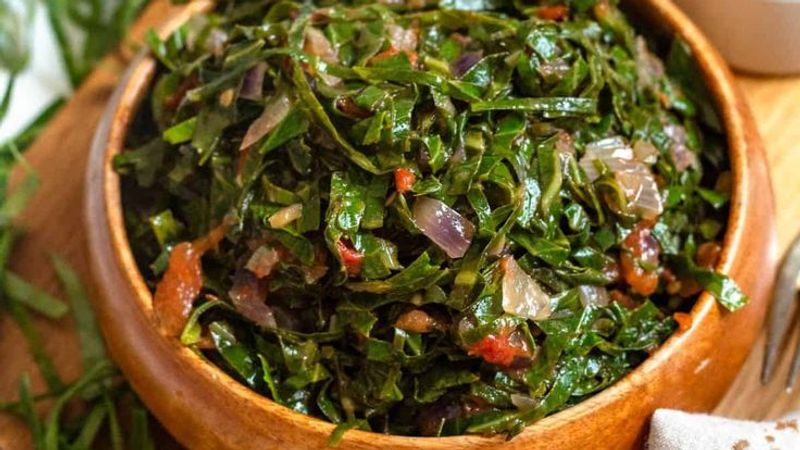
Photo Credit: Alexandria/Pinterest
Sukuma wiki, meaning "stretch the week," is a dish made from collard greens. Affordable and nutritious, it is a daily staple. The greens are sautéed with onions, tomatoes, and spices, usually served alongside ugali. For many households, sukuma wiki is the meal that sustains families through tight budgets. Beyond economics, sukuma wiki reflects Kenya’s resilience. It represents the creativity of making modest ingredients both filling and delicious.
Pilau: Coastal Flavours Infused with History
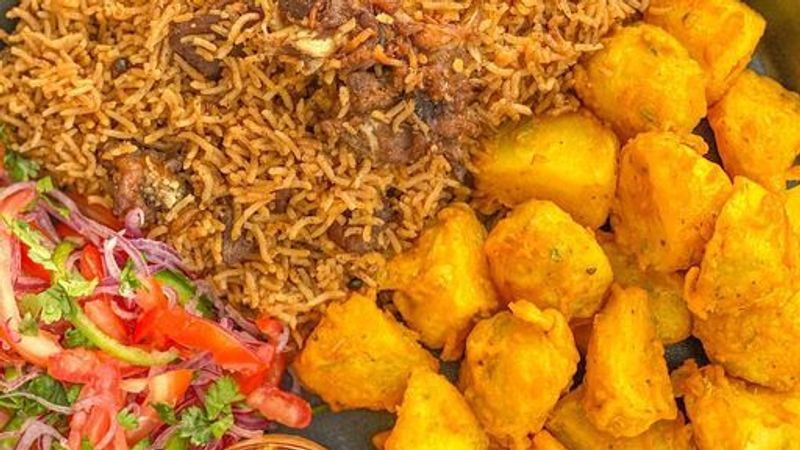
Photo Credit: Grace/Pinterest
Pilau, a spiced rice dish, traces its origins to the Swahili coast. Centuries of Indian Ocean trade introduced spices like cardamom, cinnamon, and cloves. Cooked with meat, potatoes, or vegetables, pilau bursts with aroma and flavour. It is central to celebrations such as weddings, Eid festivals, and family gatherings. Unlike biryani, pilau mixes its spices evenly into the rice. This makes it a unifying dish symbolising the Swahili coast’s cosmopolitan culture.
Tilapia and Fish Stews of Western Kenya
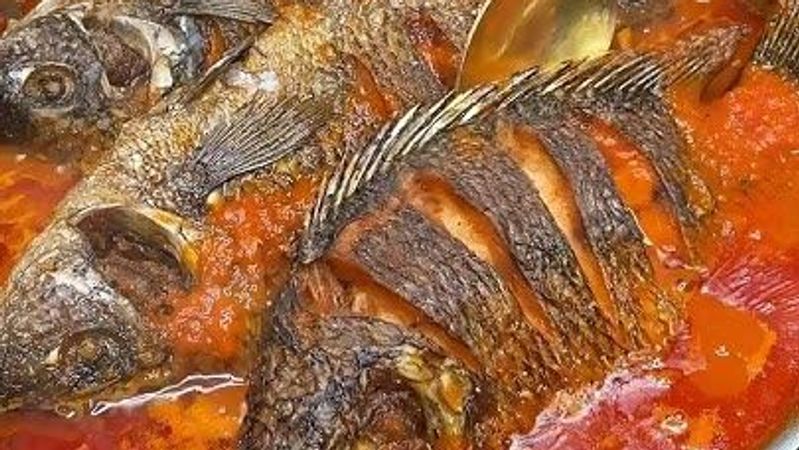
Photo Credit: Marsha/Pinterest
Western Kenya, particularly around Lake Victoria, is renowned for its diverse array of fish dishes. Tilapia is the star. Often fried whole or simmered in tomato-rich stews, fish is served with ugali or rice. The freshness of lake fish defines regional culinary identity. Beyond taste, fishing is a way of life. Markets near Kisumu overflow with energy, colour, and aroma, showing the community’s deep ties to Lake Victoria.
Chapati: The Comfort Bread
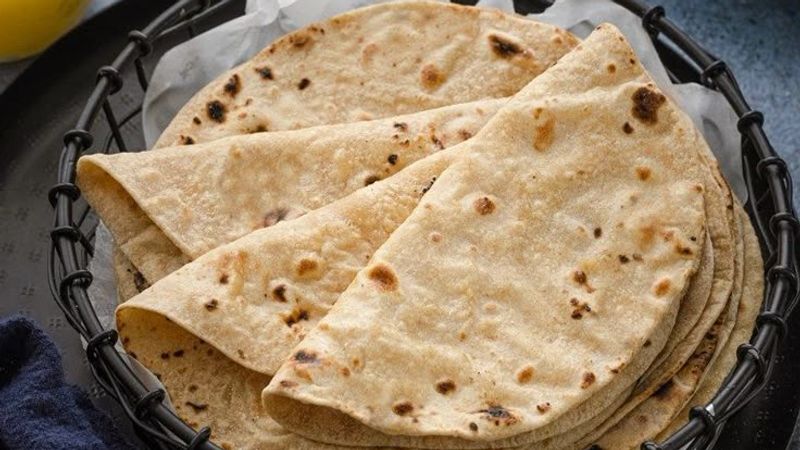
Photo Credit: Pinterest
Chapati, introduced from Indian cuisine, is now deeply embedded in Kenyan food culture. Soft, layered flatbreads are rolled and pan-fried, eaten with stews, beans, or tea. For many Kenyans, chapati is comfort food associated with special occasions and family gatherings. Though rooted in Indian heritage, chapati has been indigenised. Today, it is a beloved part of Kenya’s national table.
Spice and Seafood
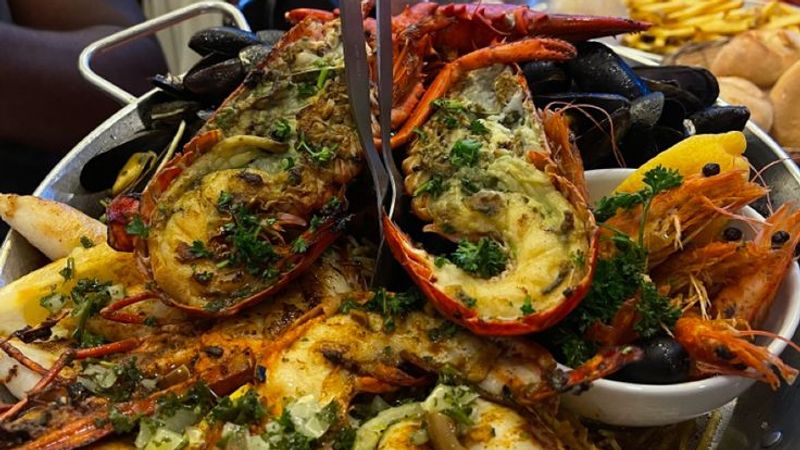
Photo Credit: Pinterest
The Swahili coast, stretching from Mombasa to Lamu, is a paradise of spiced seafood, coconut milk stews, and fragrant rice. Dishes like pilau, biryani, and samosas dominate. Coastal cuisine reflects centuries of trade with Arabs, Persians, and Indians. Food here feels festive, colourful, and luxurious. It offers one of Kenya’s richest culinary experiences.
Grains and Dairy Traditions
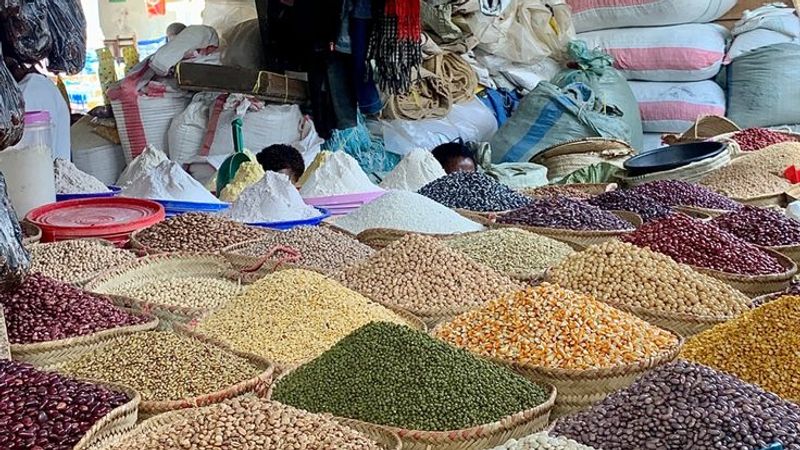
Photo Credit: Pinterest
The Rift Valley, home to the Maasai and Kalenjin, emphasises dairy and grains. Sour milk, millet porridge, and roasted meat form the backbone. Ugali is central here, often eaten with fermented milk called mursik. This diet reflects the pastoral heritage of Rift Valley communities.
Practical Tips for Culinary Travelers in Kenya
Travelers eager to explore Kenyan food should plan with care. Here are practical tips:
•Start with the staples: Ugali, sukuma wiki, and nyama choma introduce you to daily Kenyan life.
•Head to the coast: Swahili cuisine is aromatic and deeply historical.
•Try street food: Nairobi’s stalls offer authentic tastes at affordable prices.
•Respect traditions: Share meals with hands when offered, as it signifies respect.
•Explore markets: Visit local food markets in Kisumu, Mombasa, or Nairobi for authentic experiences.
Kenya’s food culture is rich, diverse, and deeply rooted in heritage. From ugali to chapati, pilau to tilapia, these dishes tell stories of identity, resilience, and celebration. Embark on a culinary journey through Kenya, exploring travel, taste, and storytelling.
Visit our website for more cultural features, guides, and updates:
Our Website