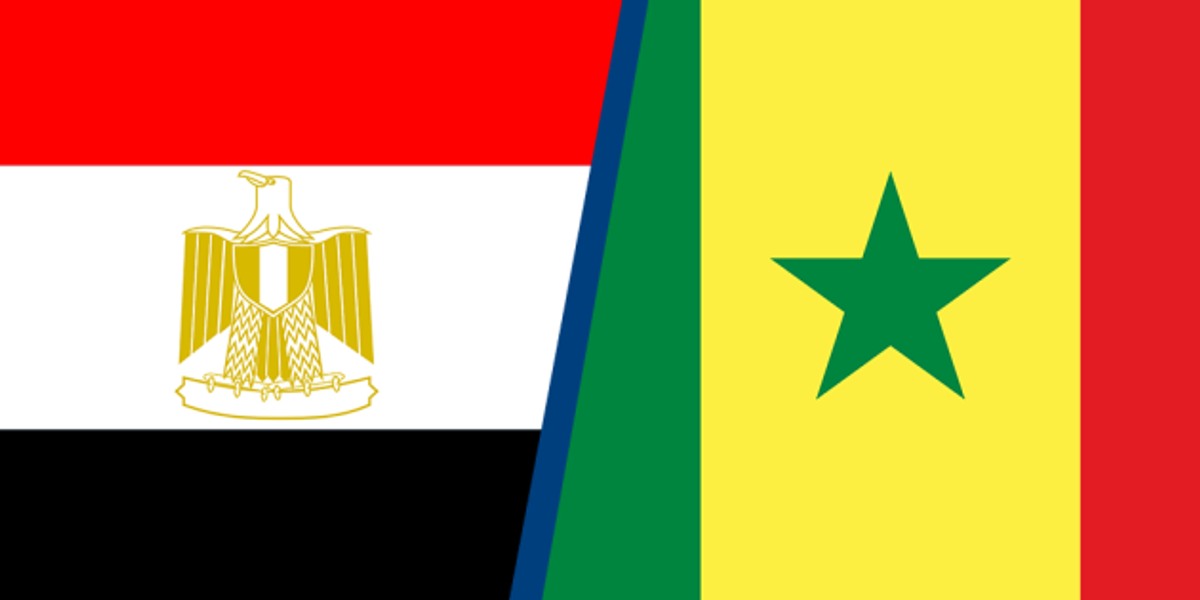
City Diaries, Part 3: Cairo To Dakar – A Thrilling Odyssey Across Africa’s Opposite Ends

Vera Ifechukwu
Click to view profile
This journey focuses on the two endpoints, linking the ancient, desert-edged metropolis of Cairo with the vibrant, Atlantic-facing hub of Dakar. This conceptual voyage connects North Africa’s historical depth with West Africa’s contemporary cultural dynamism. The vast distance represents a comprehensive spectrum of the African urban experience, showcasing two strategic and influential capital cities. Prepare to delve into urban travel in Africa, uncovering the innovations and everyday lives that define these colossal bookends.
We aim to showcase the distinct yet interconnected urban innovation and lifestyle documentaries found within Cairo and Dakar. We highlight the contrast in culture, architecture, and daily life between the ancient Northeast and the modern West. Africa's voices demonstrate that Africa deserves to be heard by Africans themselves, so the world can genuinely understand its progress and innovation. This piece blends insights, culture, and business trends, highlighting the unique urban life and innovation of these two locales.
Cairo: Ancient History Meets Modern Innovation
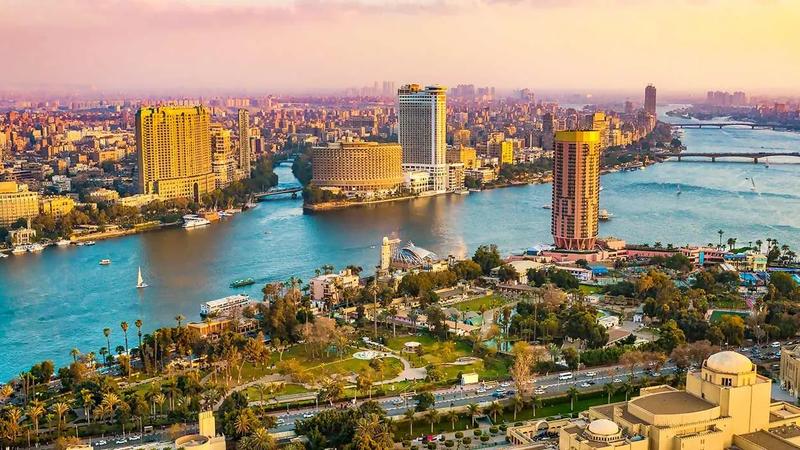
Photo Credit: Memphis Tours
Cairo, known as the Mother of the World, is defined by its staggering historical continuity and immense urban scale. The Giza Pyramids stand as eternal sentinels over expanding, modern infrastructure, where millennia of history inform the present. This dense environment demands resilience, fostering an adaptive spirit among its millions of residents and commuters.
Local innovators, particularly in historic Islamic Cairo, focus on solutions that respect the past.
They are reviving traditional passive cooling techniques, such as wind catchers and thicker walls, to develop sustainable housing for the harsh desert climate. This integration of ancient wisdom with modern necessity demonstrates a critical trend in Cairene urban travel and African development, offering culturally relevant solutions for sustainable city experiences in Africa.
Cairo is an unquestionable leader in North African technology and finance, boasting a rapidly accelerating startup ecosystem that attracts international attention. It is a critical hub connecting the Middle East to the rest of Africa, driving innovation in fintech, e-commerce, and logistics. This strategic location dictates its economic outlook.
Young, skilled workforces from the city’s universities are creating digital solutions to local problems, from streamlined transport apps to revolutionary payment systems. These technological advances are reshaping the Cairene lifestyle, simplifying daily transactions and improving access to goods and services. Cairo’s push towards a digital-first economy is an essential trend update for observers of urban travel in Africa.
Dakar: The Atlantic Culture And Economic Hub
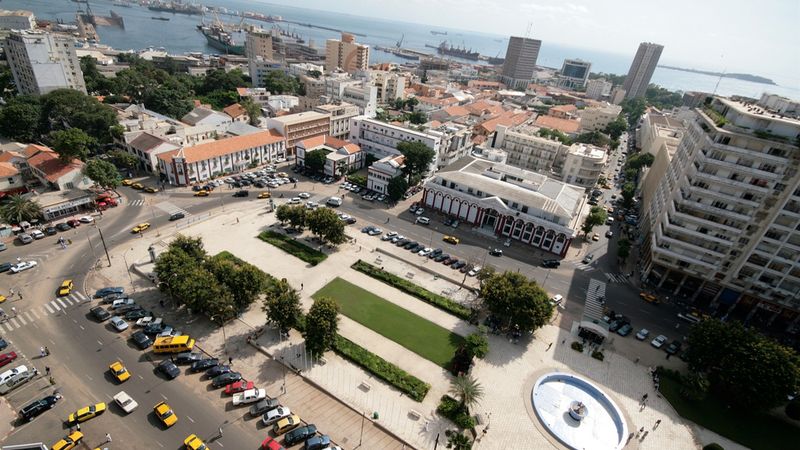
Photo Credit: Wikipedia
Dakar, the vibrant capital of Senegal and the journey’s terminus, presents a sharp, exhilarating contrast, sitting right on the wave-crashed edge of the Atlantic Ocean. It is defined by its strong maritime identity, globally celebrated cultural output, and energetic, forward-looking populace. Dakar operates as a powerful political and financial nexus for the entire Francophone West African region.
The city’s peninsula location shapes its architecture, favouring open spaces, bustling markets, and the iconic Corniche road along the coastline. Dakar is a major contributor to global arts and culture, famous for its high fashion, contemporary art scene, and the legendary Mbalax music. This cultural depth offers unparalleled city experiences in Africa.
Dakar has made significant, strategic investments in its urban infrastructure to solidify its position as a leading global African city. Updates include the ambitious development of transport systems to tackle relentless urban traffic and connect the core peninsula with new peripheral growth areas. These projects are crucial for efficiency.
The development of new rapid transit lines and road networks, like the Train Express Regional (TER), signifies Dakar’s commitment to sustainable urban growth and improved quality of life. These efforts facilitate commerce and make Dakar an increasingly attractive hub for international business. This proactive stance helps to showcase Africa’s commitment to future-focused planning.
Contrasting Urban Architectures
The architectural differences between Cairo and Dakar provide a visually stunning commentary on their separate historical paths and cultural influences. Cairo’s architecture is dominated by the weight of antiquity, Islamic monuments, and dense buildings adapted to the arid climate. Its colour palette is often muted, reflecting its deep desert heritage.
Dakar possesses a more varied, coastal architectural heritage, mixing colonial-era buildings with strikingly contemporary high-rises that reflect its global, maritime connections. The use of colour is far more pronounced, reflecting the bright, expressive nature of West African aesthetics and lifestyle. Understanding this visual contrast is key to appreciating the diversity inherent in city experiences in Africa.
Voices Of Shared Innovation
Despite their separation, both Cairo and Dakar share a profound, unifying thread: a deep reliance on community and a fierce commitment to innovation driven from the ground up. Young, highly motivated populations in both cities utilise digital technology to leapfrog traditional infrastructural hurdles and access global markets. This entrepreneurial spirit is vital.
Whether it is Cairene entrepreneurs developing localised payment solutions or Dakar’s creatives building global fashion brands, both capitals are loud voices asserting African capacity. They leverage their unique cultural assets, Cairo's history, and Dakar's creativity into modern economic value. The stories emerging from these streets prove the need to showcase Africa on its own terms.
Practical Advice For Experiencing Both Capitals
For the traveller focused on these two essential capitals, embrace the local rhythm and the sensory overload. In Cairo, prioritise early-morning exploration to escape the heat, and use the efficient Metro system for long-distance travel. Engage respectfully with vendors and artisans to enrich your experience.
In Dakar, absorb the vibrant street life and utilise shared car rapides or taxis, negotiating fares beforehand. Security is paramount in both large cities, requiring common-sense caution regarding personal belongings and nighttime travel. The richest cities in Africa are the result of taking the time to engage in meaningful cultural exchange.
Experience the pulsating rhythm of urban travel in Africa, connecting ancient Cairo’s innovation with Dakar’s coastal renaissance. Discover rich city experiences in Africa and modern trends.
Visit our website to see more on city diaries.