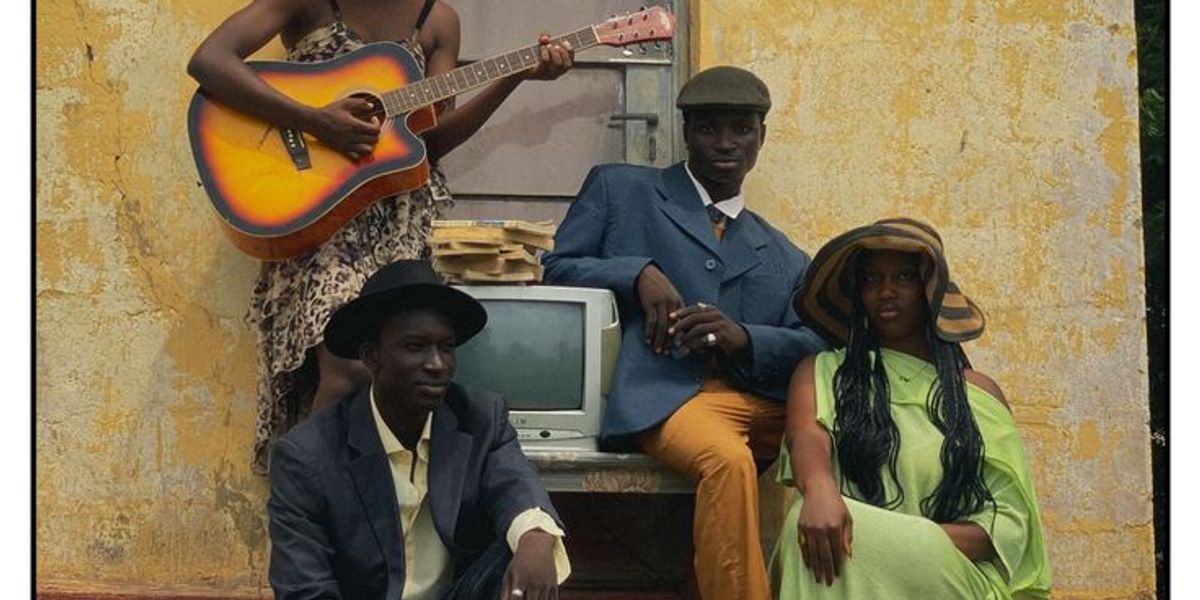
Beyond Afrobeats: The Rise of Alté Music and Youth Counterculture

Titilayo Ifeoluwa
Click to view profile
In recent years, Afrobeat has taken the world by storm, dominating global charts and festival stages. From Burna Boy filling arenas in London to Wizkid topping Billboard charts, the genre has become Africa’s most successful cultural export. It represents rhythm, energy, and the pulse of the continent’s creativity.
Yet, beneath this mainstream spotlight lies a growing movement. A new wave of young Africans has been crafting something different an alternative sound and culture known as Alté. For these youths, music is more than entertainment; it is rebellion, identity, and self-expression in a world that often expects conformity.
What is Alté?
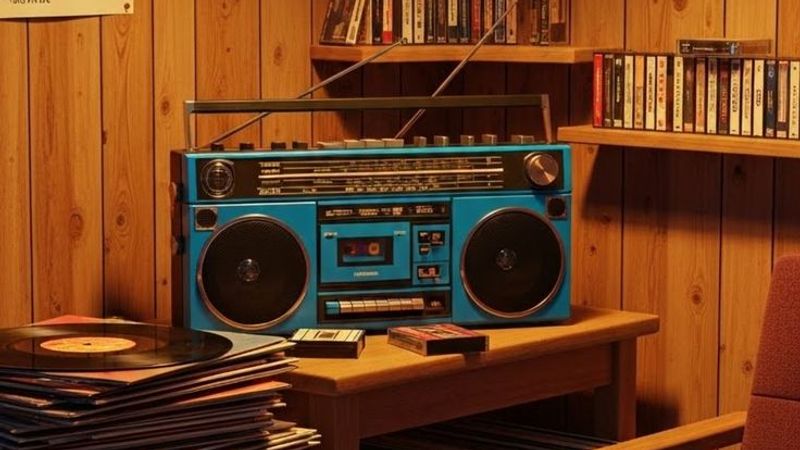
Photo Credit: Canatiba Textil/ Pinterest
The word “Alté,” short for “alternative,” describes a cultural movement that began in Nigeria in the 2010s. While Afrobeat dominated airwaves, artists like DRB Lasgidi, Odunsi (The Engine), Santi (Cruel Santino), Lady Donli, and Tems started experimenting with genre-bending sounds. Instead of chasing commercial trends, they fused R&B, indie rock, hip-hop, soul, and electronic music. The result was a sound that felt fresh, unpolished, and deeply personal.
Alté as a Counterculture
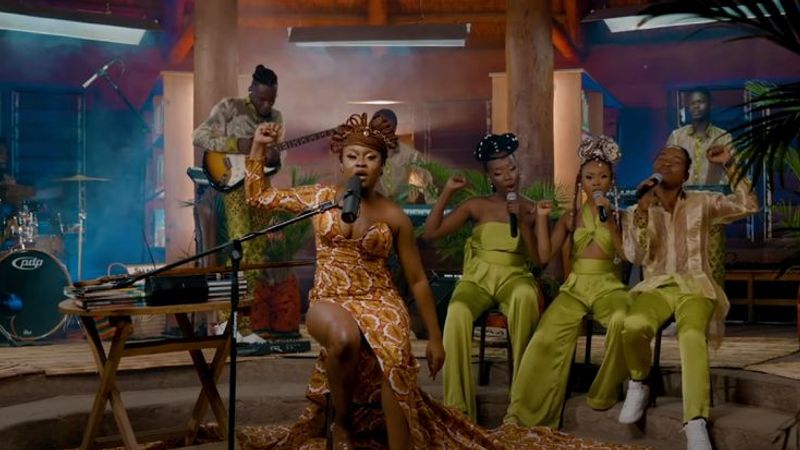
Photo Credit: Veronika Ossi/ Pinterest
Alté is more than music; it is a lifestyle. For many African youths, it became a way to challenge the conservatism of mainstream culture. From bold hairstyles to experimental fashion, Alté openly rejects the idea of “fitting in.” This countercultural identity connects deeply with urban youth who want to express individuality in a society where tradition and conformity often dominate.
Music Beyond Genre
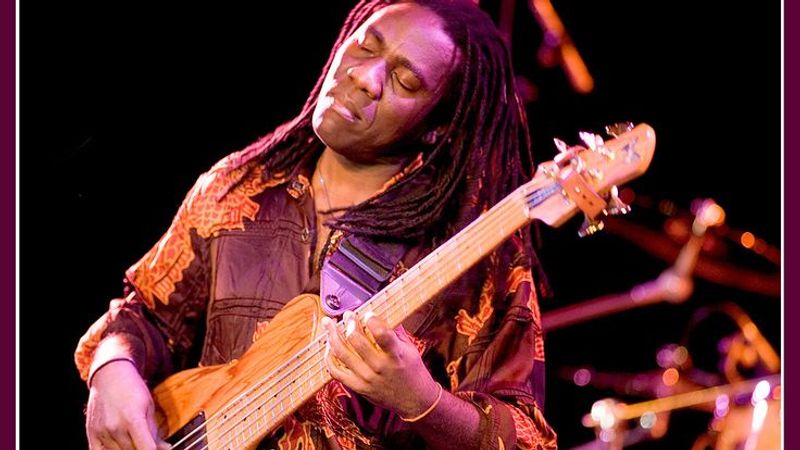
Photo Credit: Samuel Sheats/ Pinterest
One striking feature of Alté is its refusal to be boxed into a single category. An Alté playlist could move from soulful R&B to rap, and then to psychedelic beats. Odunsi’s rare. (2018) and Santi’s Mandy & The Jungle (2019) are perfect examples of how Alté embraces diversity, weaving together influences from across the globe while staying rooted in African identity.
Fashion and Aesthetics of Alté
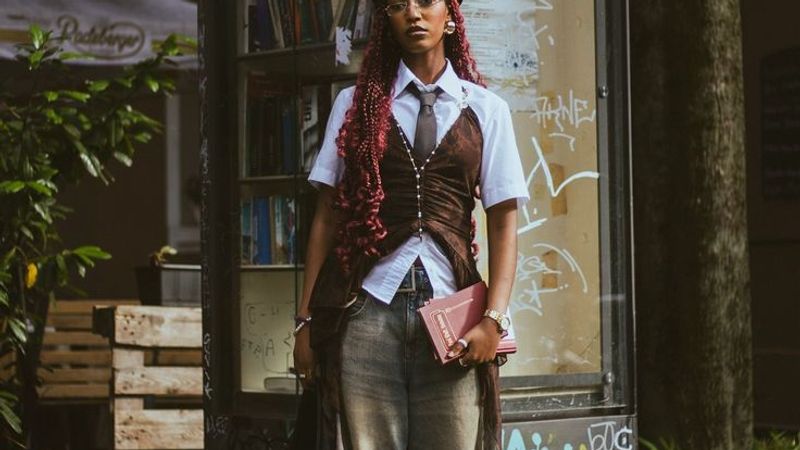
Photo Credit: Mary Windler/ Pinterest
Alté culture is instantly recognizable in fashion. Baggy trousers, thrift-store finds, vintage sunglasses, nose rings, tribal tattoos, and experimental hairstyles make up the Alté look. The bold use of color, oversized fits, and fusion of old-school styles mirror the music’s blend of past and future. Many Alté fans see fashion as an extension of self-expression, a loud statement that says “I am different, and I’m proud of it.”
Alté vs. Mainstream: Conflict or Coexistence?
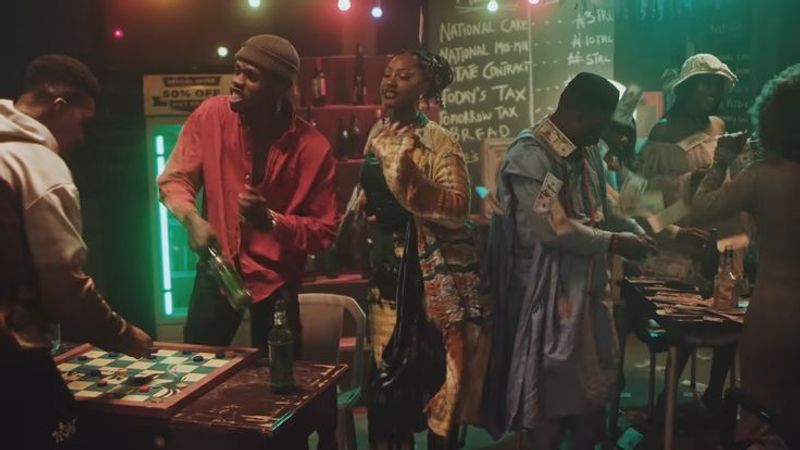
Photo Credit: Elle Park/ Pinterest
Alté was once dismissed as “weird” or “too foreign” for the Nigerian mainstream. But times are changing. Audiences are becoming more open to experimental sounds, and streaming platforms are breaking down barriers between genres. According to data, 61.3% of on-demand streams in Nigeria are from Nigerian artists. This shows that local music consumption is at an all-time high, giving Alté more room to coexist with Afrobeat's rather than compete against it.
Digital Communities and Streaming Power

Photo Credit: Pinterest
Alté’s survival and growth would have been nearly impossible without the internet. Platforms like SoundCloud, YouTube, and Spotify gave these artists a global stage beyond Nigerian radio or TV. The financial weight of streaming proves how powerful these digital communities have become. In 2024, Nigerian artists generated ₦58 billion in royalties from Spotify, more than double what they earned the year before . Across the region, Sub-Saharan Africa’s music revenue hit US$110 million in 2024, growing 22.6%year-on-year . This global streaming infrastructure didn’t just spread Afrobeats it also gave Alté a voice on international playlists, Boiler Room sets, and Gen Z’s TikTok videos.
Criticism and Acceptance
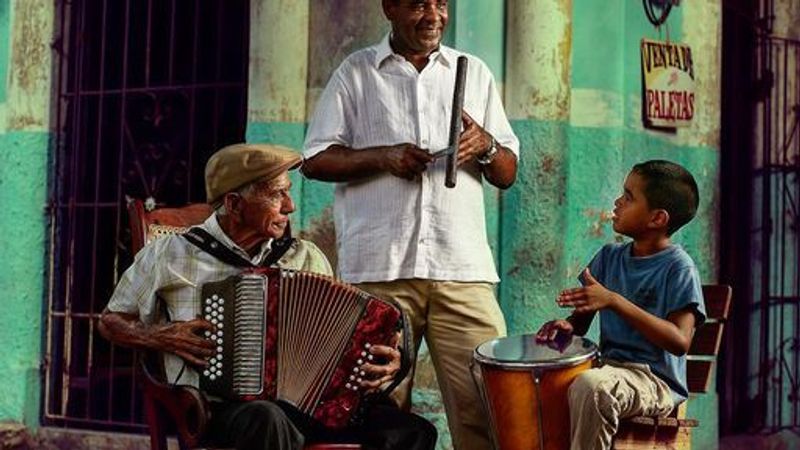
Photo Credit: Orlando Navarro Prieto/ Pinterest
Many critics claimed it was music for the elite or disconnected from the realities of everyday Nigerians. But as artists like Tems gained international recognition including a Grammy win in 2023 Alté proved its staying power. What was once niche is now reshaping Nigerian pop, with even Afrobeats stars borrowing Alté aesthetics.
The Future of Alté

Photo Credit: Margarida Marques.Pereira/ Pinterest
Today, Alté represents more than just sound; it is a movement of freedom. It tells young Africans that they do not have to conform to societal expectations to be heard. With global collaborations growing and platforms like Apple Music and Spotify curating Alté playlists, the movement is set to expand even further. For many, Alté is not just the future of African music it’s the future of African youth identity.
Alté is a revolution of creativity, style, and self-expression. While Afrobeats celebrates Africa’s rhythm on the global stage, Alté dives deeper into individuality, rebellion, and culture. It is proof that African entertainment is not one-dimensional it is diverse, layered, and constantly evolving.
Alté is not just a sound; it is Africa’s voice of freedom.
Visit Our Website to learn more and explore Africa.