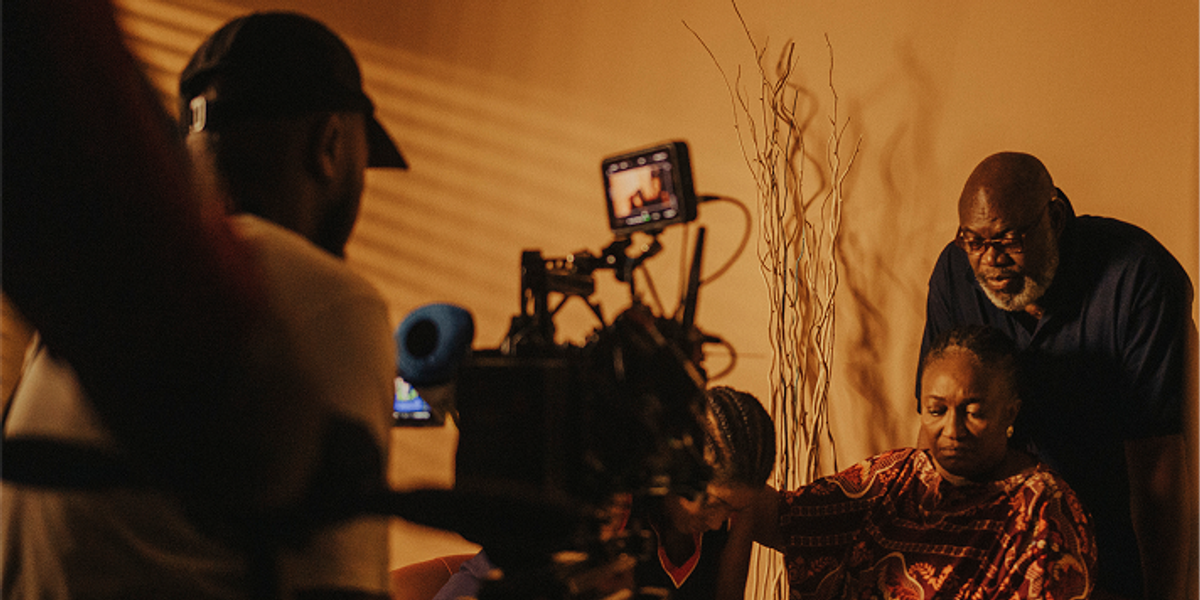
Behind the Scenes: How African Films Are Made

Andy Akinbamini
Click to view profile
Behind the scenes, African films reveal extraordinary creativity emerging from limited resources, tight budgets, and infrastructure challenges that would paralyse Western productions. African filmmakers master the art of improvisation, transforming constraints into distinctive stylistic choices that define continental cinema.
From Nollywood's rapid-fire production schedules to South Africa's world-class studio facilities, filmmaking in Africa encompasses remarkable diversity in approaches, budgets, and distribution strategies.
Pre-Production Planning Determines Project Viability
Script development, casting, location scouting, and budget planning consume months before cameras roll. Producers secure financing through private investors, grants, co-production treaties, or self-funding when institutional support proves unavailable. Cinema locations in West Africa are projected to rise by 19%, from 107 to 127 in 2024.
Nollywood's High-Volume Production Model
Nigerian producers master rapid production, completing feature films in weeks through streamlined workflows and experienced crews. Directors shoot multiple projects simultaneously, maximizing equipment rental periods and crew availability. FilmOne Entertainment released 12 movies in 2024, demonstrating how volume-based strategies sustain Nigeria's position as the world's second-largest film industry by output.
South Africa Emerges as Continental Production Hub
South Africa became one of Netflix's global production hubs due to infrastructure, including studio facilities, and high standards among local crews. The nation offers tax incentives, including a 25% rebate on qualifying spend and an additional 5% when using Black-owned companies. International series such as "One Piece" use South African locations and crews, demonstrating technical capabilities that match Western standards.
On-Set Production Navigates Infrastructure Challenges
African film crews operate with unreliable electricity, using backup generators, solar panels, and strategic shooting schedules. Filmmakers adapt to limited equipment availability through creative problem-solving and collaborative resource sharing. Sound departments contend with ambient noise from traffic, livestock, and community life, necessitating additional post-production work.
Post-Production Refines Raw Footage Into Polished Films
Editors shape narratives by cutting footage, adjusting pacing, and ensuring continuity using software such as Premiere Pro and DaVinci Resolve. Colorists enhance visual aesthetics, establishing mood and correcting lighting inconsistencies from location shooting. Sound designers add foley effects, ambient tracks, and musical scores, whilst dialogue editors clean audio, ensuring professional broadcast-quality results.
Distribution Strategies Determine Commercial Success
Theatrical releases require navigating limited cinema screens concentrated in urban centres and negotiating revenue splits with exhibitors. Streaming platforms, including Netflix, Showmax, and Afri-Docs, provide global distribution reaching diaspora audiences and international viewers. AI filmmaking technologies enable more efficient production, greater creative possibilities, and increased accessibility.
Training Programmes Build Technical Expertise
Film schools, workshops, and on-set mentorships transfer knowledge from experienced professionals to emerging talents. The Film Craft Expo showcases unsung heroes, including art directors, set designers, and cinematographers, celebrating production craftsmanship. International partnerships connect African filmmakers with global networks, facilitating knowledge exchange and collaborative opportunities.
Funding Remains a Persistent Challenge for Filmmakers
Afreximbank launched a $1 billion Africa Film Fund to finance production, distribution, and digital infrastructure supporting continental filmmakers. Private investors, crowdfunding, and brand partnerships supplement institutional funding, thereby enabling projects to proceed. Budget constraints force creative solutions that often become distinctive stylistic signatures defining African cinema's authentic aesthetic.
Crew Collaboration Creates Cinematic Magic
Behind every successful film stands a dedicated crew that manages logistics, solves technical problems, and executes the director's vision. Cinematographers frame shots, lighting technicians sculpt mood, and costume designers establish character through wardrobe choices. Production managers coordinate schedules, locations, permits, and personnel, ensuring shoots progress efficiently despite inevitable complications.
Explore behind-the-scenes films from Africa and examine the filmmaking processes there. Learn documentary preparation content on production, crews, and creative journeys.
Visit our Website for more.