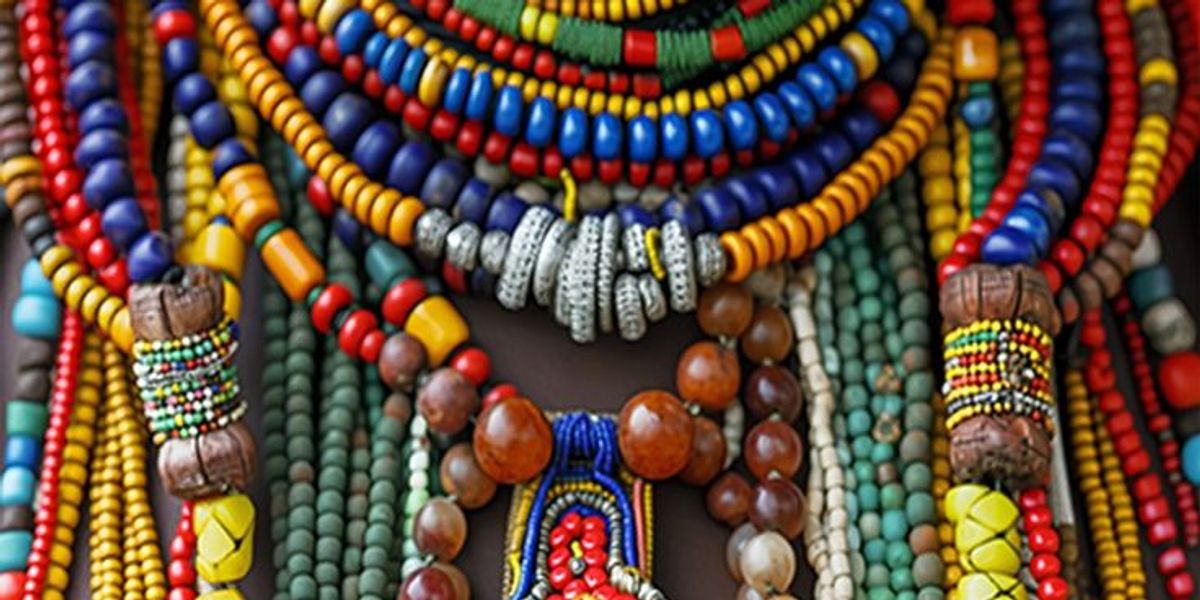
Beads and Meaning: Jewelry as Language in African Traditions

Titilayo Ifeoluwa
Click to view profile
Across Africa, jewelry has never been just decoration. Beads, in particular, are woven deeply into the fabric of tradition, carrying layers of meaning that go beyond beauty. They speak a language of power, identity, and belonging, one that has been passed down for centuries.
From royal palaces in Benin to Maasai villages in Kenya, beads communicate messages about who we are, where we come from, and what we believe in. Whether strung around the waist, neck, or wrist, each bead tells a story, a silent but powerful narrative that shapes both personal and collective identity.
Origins and Meaning of Beads
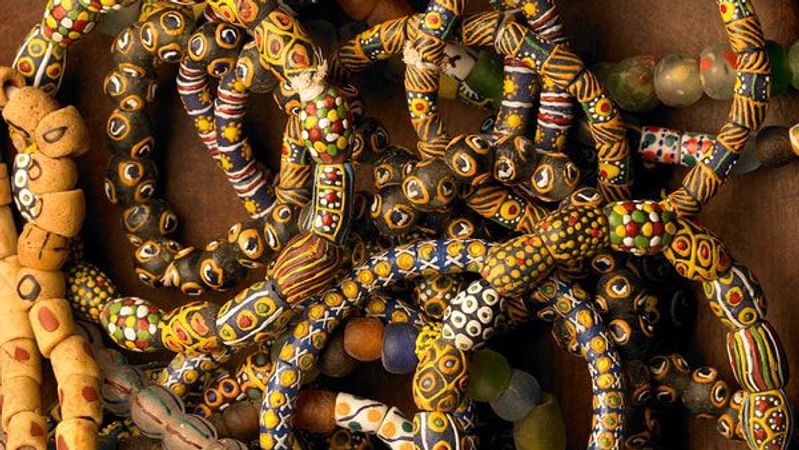
Photo Credit: Jenelle Bohord/ Pinterest
Beads have been part of African life for thousands of years. Early discoveries show that people made beads from shells, stones, bones, and later glass and clay. But beads were never just for decoration they carried messages. The colors and designs often told who a person was, their age, their role in the community, or even their spiritual strength. For instance, in Yoruba culture, royal beads are worn by kings and chiefs as symbols of power and respect. Across Africa, beads became a way to speak without words, holding history, identity, and tradition in every strand.
The Language of Beads
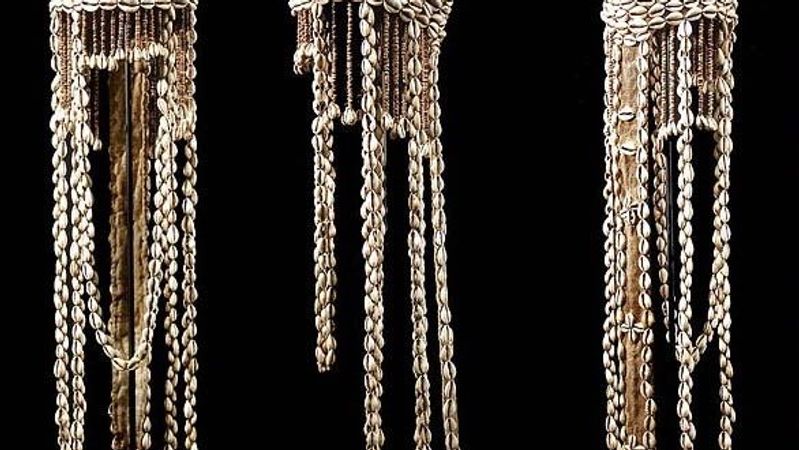
Photo Credit: Pinterest
Beads are more than ornaments they are symbols of communication. Across cultures, colors and arrangements carry distinct meanings. For example, in Yoruba traditions, white beads represent purity and spirituality, red is linked to power and vitality, and blue is often connected to peace and love. Among the Maasai, intricate bead patterns reveal age, marital status, and social standing. In this way, beads act as a living archive, where every color and design encodes a message.
Types of Beads in African Traditions
Glass Beads
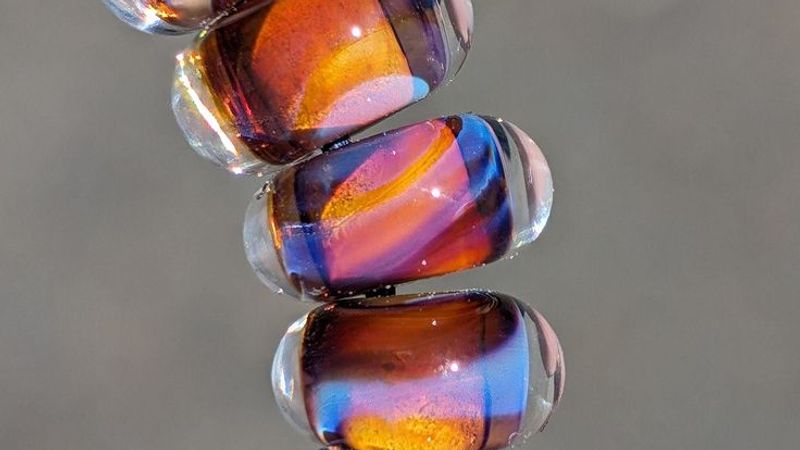
Photo Credit: Etsy/ Pinterest
Popular among the Yoruba and Krobo of Ghana, often brightly colored and used for ceremonies.
Shell bead
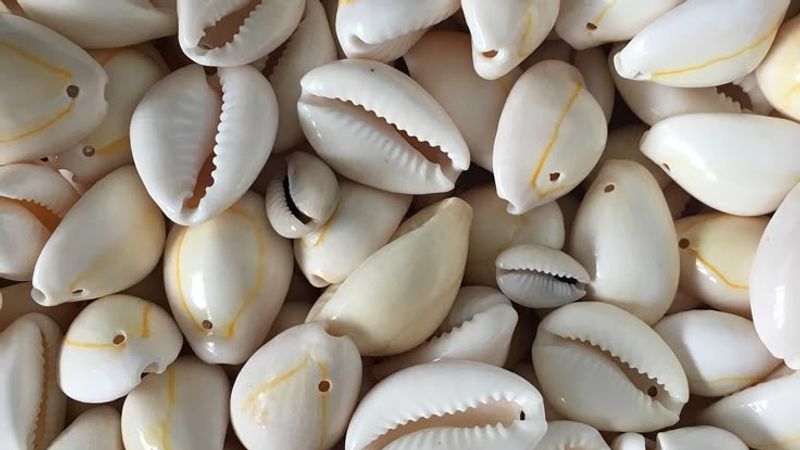
Photo Credit: LB Beads/ Pinterest
Cowries, once used as currency, are still valued for beauty and symbolic meaning.
Stone Beads

Photo Credit: Etsy/ Pinterest
Made from agate, carnelian, or jasper, often linked to healing and protection.
Clay Beads
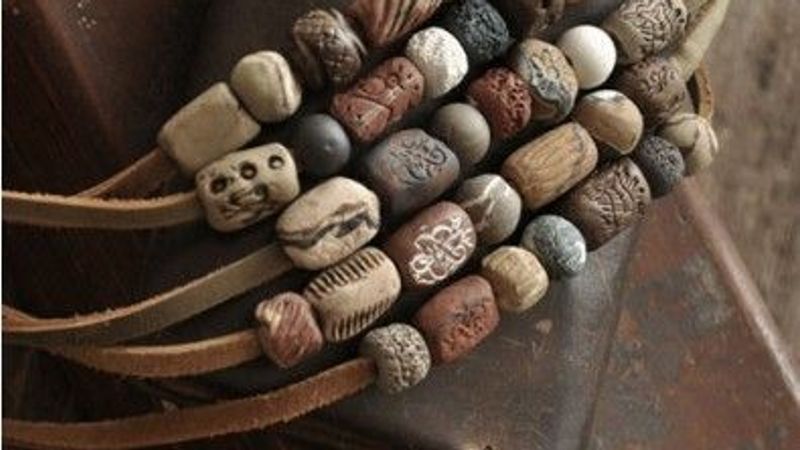
Photo Credit: Cora McGookin/ Pinterest
Simple yet artistic, molded by hand and used in everyday wear.
Metal Beads
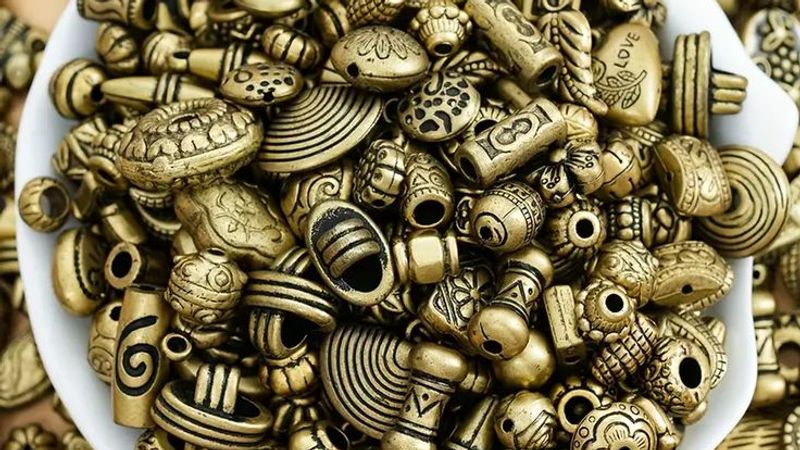
Photo Credit: Pinterest
Crafted from brass, copper, or silver, symbolizing wealth and prestige.
Seed Beads
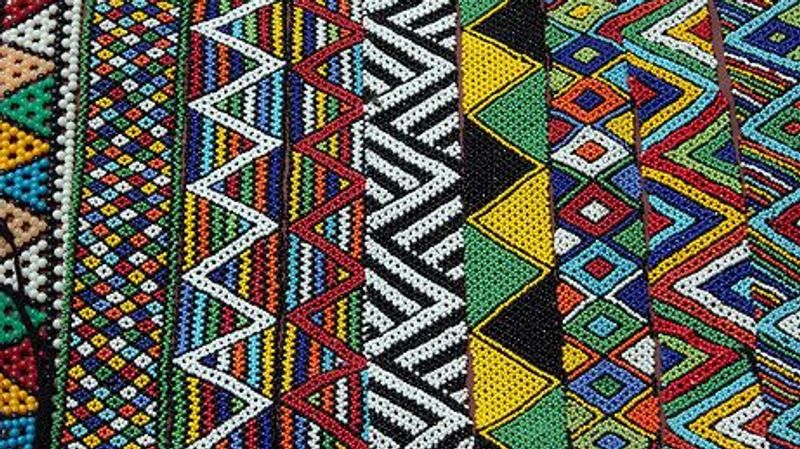
Photo Credit: Flickr/Pinterest
Tiny beads strung together to create intricate patterns, common in East African Maasai beadwork.
Royalty and Power

Photo Credit: mlise squirrel/ Pinterest
In many African kingdoms, beads are inseparable from the idea of leadership and prestige. Among the Yoruba, the ade, a beaded crown worn by an Oba, is considered sacred, carrying both political authority and spiritual power. Beads, known as ileke, also identify chiefs, titled persons, and priests, marking them as people of rank and responsibility. In the Benin Kingdom, coral beads adorn the Oba as symbols of wealth and divine right, while in Zulu culture, bead patterns distinguish leaders from ordinary members of the community. Across the continent, these regal adornments continue to serve as visible languages of authority, heritage, and continuity.
Spirituality and Protection

Photo Credit: Etsy/ Pinterest
Beyond beauty and royalty, beads carry deep spiritual significance. In Yoruba Ifá practices, certain bead strings are consecrated for rituals and believed to connect the wearer with divine energy. Among the Maasai, bead charms are worn during ceremonies and battles to offer protection from harm. In Ghana and Nigeria, waist beads are often said to shield women from negative energy while enhancing spiritual balance. Scholars of African religion describe beads as “portable shrines,” carrying blessings, prayers, and ancestral presence with every strand. Some communities use aggri beads, dzi beads, amber beads, or medicinal seeds like echinacea as protective charms. These beads may be worn as amulets or used to encase traditional medicines, blending beauty with healing and spirituality
Rites of Passage
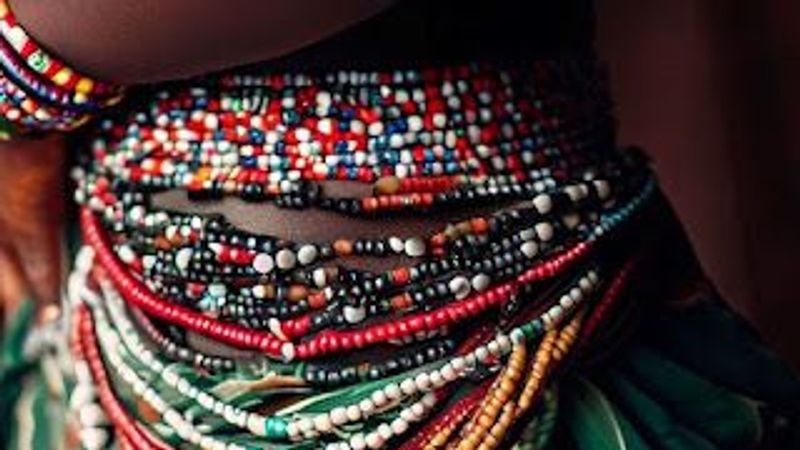
Photo Credit: Chic African Culture/ Pinterest
Beads are also central to life’s milestones. In Ghana, newborns are often adorned with beads around their waist as a sign of protection and identity. In Maasai culture, young women wear colorful bead collars during initiation ceremonies to mark their transition to adulthood. Similarly, in Yoruba weddings, brides often wear layered beads as symbols of fertility, beauty, and continuity. These rituals demonstrate how beads are intricately woven into the rhythm of African life, marking both beginnings and significant transformations.
Beads as Economy and Heritage
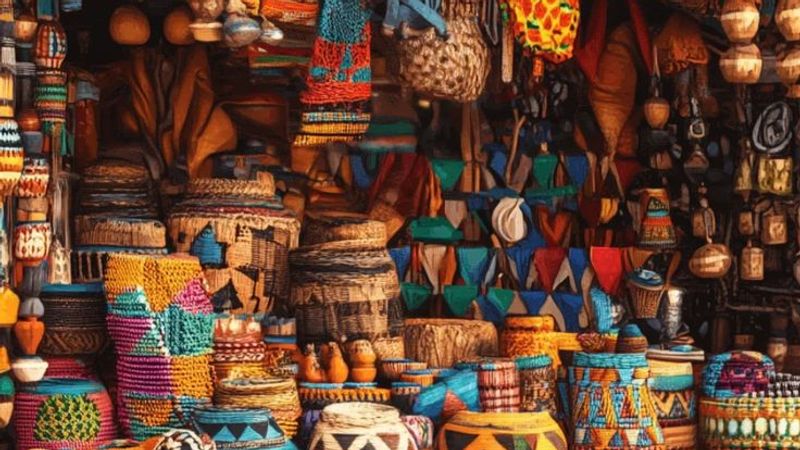
Photo Credit: solo travel in Africa/ Pinterest
Bead-making has become a source of livelihood for many across Africa. Bead-making is more than an art; it is a source of livelihood. Across Africa, bead production sustains local artisans and contributes to trade. The bead products market was valued at about US$15.62 billion in 2022 and is expected to reach US$25.32 billion by 2028, showing strong demand for decorative beadwork and cultural jewelry. The beaded jewelry market in South Africa is expected to reach a projected revenue of US$213.9 million by 2030. A compound annual growth rate of 10.1% is expected of South Africa's beaded jewelry market from 2025 to 2030. This proves that beads are not only cultural treasures but also valuable economic assets.
Beads as Global Influence
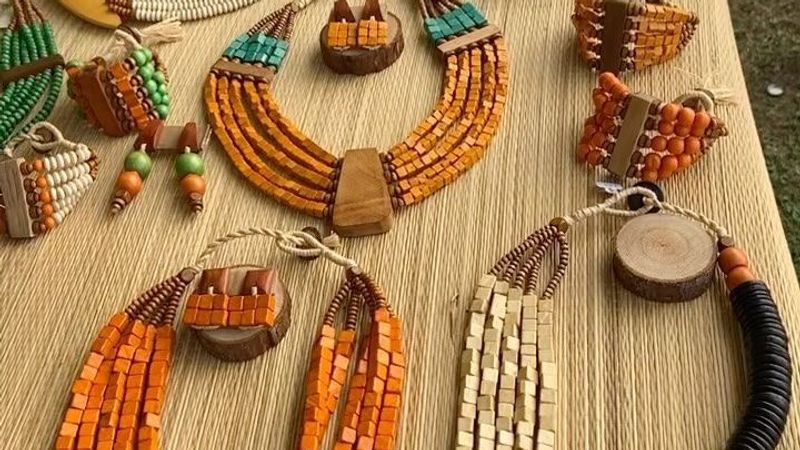
Photo Credit: Pinterest
Beads have also made their way onto the global stage. In 2019, Beyoncé wore elaborate African beadwork in her Spirit music video for The Lion King. That moment sparked international attention and renewed interest in African jewelry, with designers reporting increased demand from abroad. It was a reminder that beads are more than accessories; they are cultural ambassadors, carrying Africa’s pride to the world. African beads are threads of history, spirituality, economy, and global influence woven together.
African beads are threads of history, spirituality, economy, and global influence woven together. They remind us that culture can be worn, celebrated, and passed on. In every strand lies a story, and in every color, a voice.
To explore more African insights,
Visit: Our Website