Ancestral Echoes: Ancient African Practices Still Alive Today

Vera Ifechukwu
Click to view profile
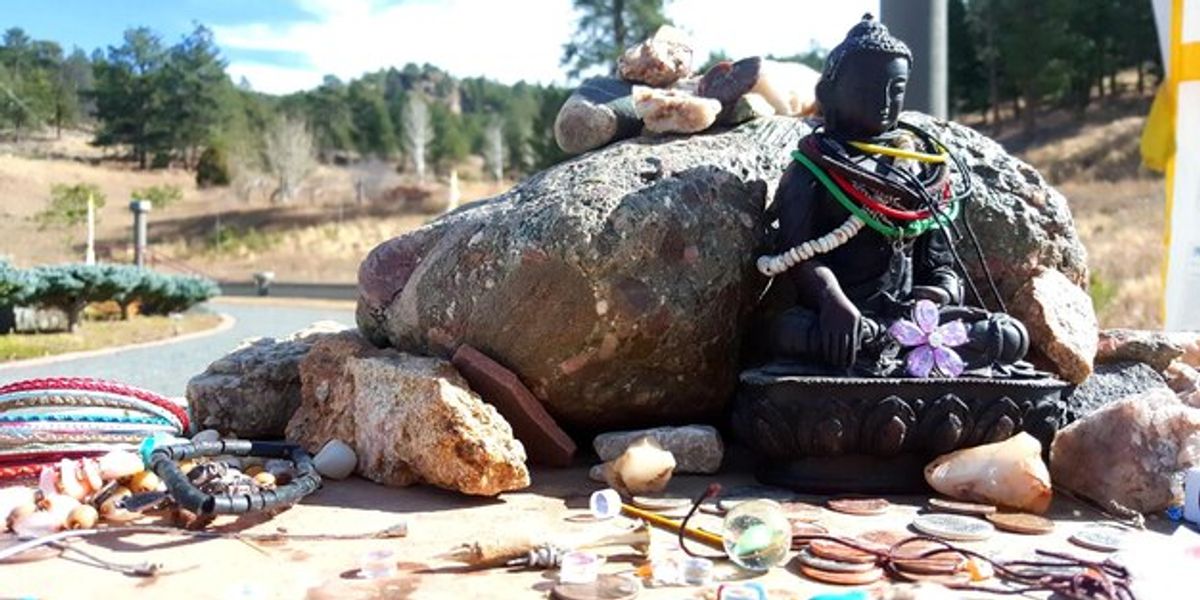
Africa’s heartbeat lies in traditions that have survived centuries, shaping identity, wellness, and community today. From sacred rituals to herbal medicine, these practices carry wisdom that feels strikingly relevant in modern life. While technology races forward, these ancient rhythms remain steady, offering guidance on how to live with balance and purpose.
Across villages, cities, and even the diaspora, echoes of ancestral practices influence how people celebrate, heal, eat, and connect. Whether through traditional dance that doubles as therapy or herbal remedies inspiring pharmaceutical breakthroughs, Africa’s heritage proves timeless.
Why Ancient African Practices Still Matter
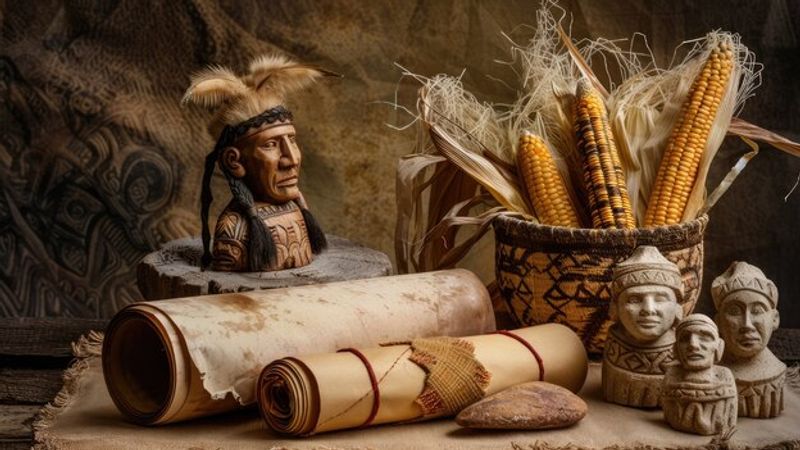
Photo Credit: Freepik
The question many ask is simple: why should practices born centuries ago still matter today? The answer lies in their adaptability. Ancient African traditions are not static museum pieces; they evolve. Rituals that once took place under baobab trees now inspire wellness retreats in urban centres. Ancestral songs sampled in Afrobeats reach global stages. What remains constant is their role in grounding people in identity, community, and belonging.
Healing and Wellness Traditions
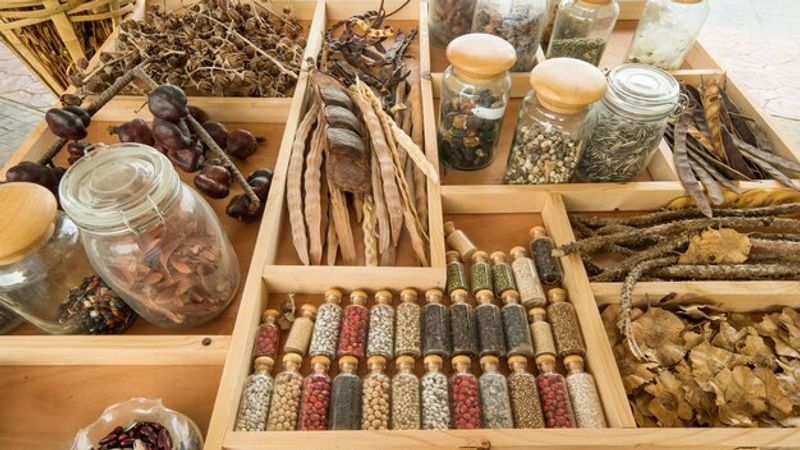
Photo Credit: Winning7799/Freepik
Herbal Medicine Still Thriving
For generations, African communities turned to nature for healing. Leaves, roots, and barks carried curative powers. Today, this knowledge is not only alive but thriving. Herbal medicine complements modern treatments in hospitals across countries like Ghana, Nigeria, and South Africa. Pharmaceutical companies now study plants used traditionally for ailments, from malaria to digestive issues. This blend of science and tradition underscores the wisdom of ancestors.
Spiritual Healing and Energy Practices
Beyond physical health, African traditions nurture the spirit. Practices such as drumming circles, chants, and community prayers create collective healing. These rituals foster emotional release and resilience. In times of stress, many still turn to these age-old methods for grounding.
Food as Cultural Memory and Sustainability
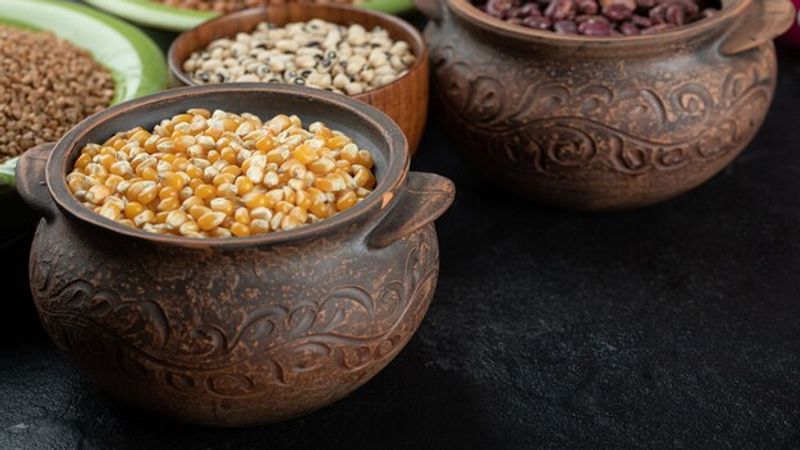
Photo Credit: Azerbaijan_stockers/Freepik
African Superfoods in Modern Diets
What the world calls “superfoods” today have been staples in African diets for centuries. Fonio, teff, baobab fruit, and moringa are rooted in ancient food practices. Once reserved for survival, they are now celebrated for their nutrition. Restaurants and wellness brands highlight them as sustainable alternatives to over-processed foods.
Communal Eating Still Sacred
The act of sharing meals is another ancestral practice that endures. Sitting around one bowl fosters unity and breaks social barriers. In fast-paced cities, African communities still host communal feasts during weddings, funerals, and festivals. These meals are more than food, they are rituals of connection.
Festivals and Celebrations That Refuse to Fade
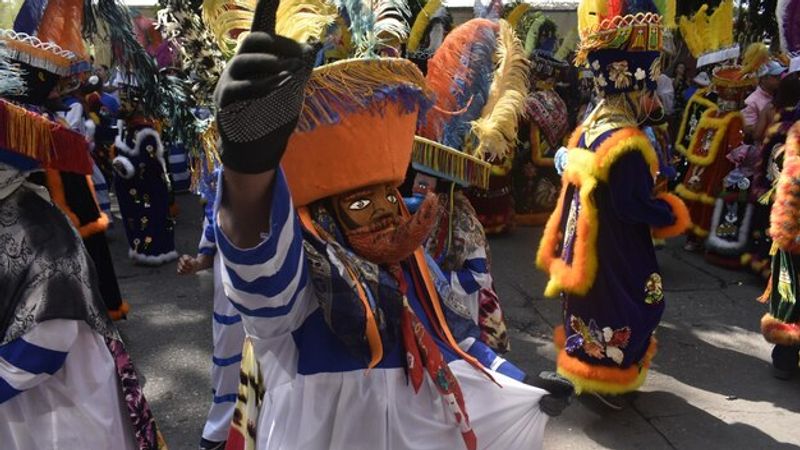
Photo Credit: EyeEm/Freepik
Rituals Reimagined in Modern Festivals
Festivals remain one of the most visible signs of AncestralEchoes: Ancient African Practices Still Alive Today. From the Osun-Osogbo Festival in Nigeria to Timkat in Ethiopia, rituals retain their sacred roots while adapting for modern audiences.
Today, such festivals attract tourists and diaspora audiences, becoming cultural bridges. They demonstrate how traditions evolve without losing meaning.
Dance and Music as Timeless Expressions
African dance and drumming are both spiritual and social. What began as rituals for harvest or rites of passage are now also art forms commanding global stages. Afrobeats, amapiano, and Afro-house carry echoes of traditional rhythms, proving the continuity of culture through sound.
Spirituality and Ancestral Guidance
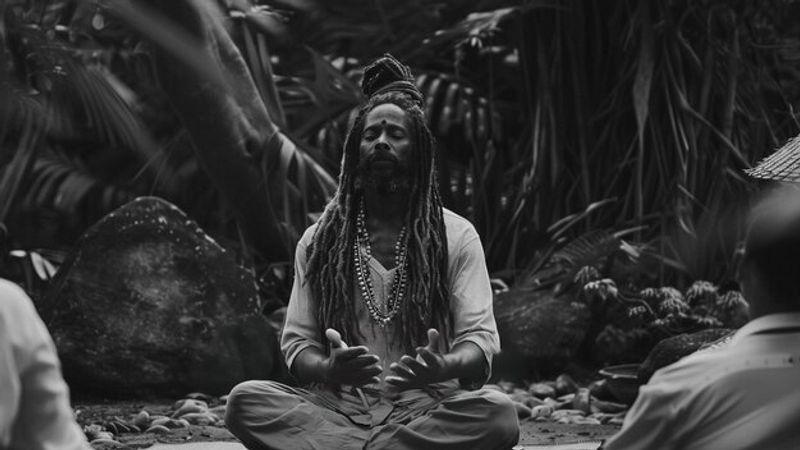
Photo Credit: Freepik
Connection to Ancestors
In many African communities, ancestors are not gone, they guide. Libations poured to honour them at ceremonies persist across generations. This belief reinforces continuity and respect for lineage. In modern contexts, even diasporic Africans maintain these rituals as a way of staying rooted.
Sacred Spaces Still Respected
Sacred groves, rivers, and mountains continue to hold cultural significance. Communities protect these places, linking spirituality with environmental conservation. Ancient African practices demonstrate a holistic worldview where nature and spirit intertwine.
Sustainability and Environmental Wisdom
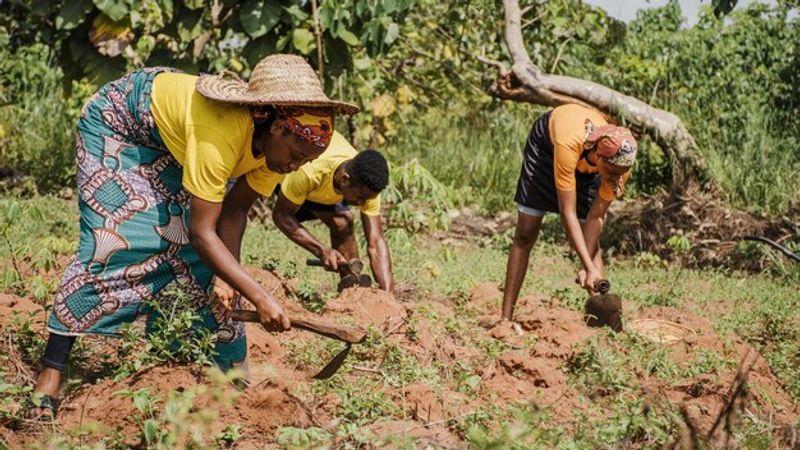
Photo Credit: Freepik
Traditional Farming Techniques
Long before sustainable farming became a global conversation, African ancestors practised rotational cropping, intercropping, and organic fertilisation. These methods reduced waste and preserved soil fertility. Farmers today revisit these techniques as solutions to climate change challenges.
Eco-architecture with Ancient Roots
Mud huts, thatched roofs, and community compounds are not primitive designs. They are eco-friendly architectural practices now influencing sustainable housing projects. Their natural cooling systems reduce energy use, showing how heritage meets modern sustainability.
Diaspora and the Global Influence
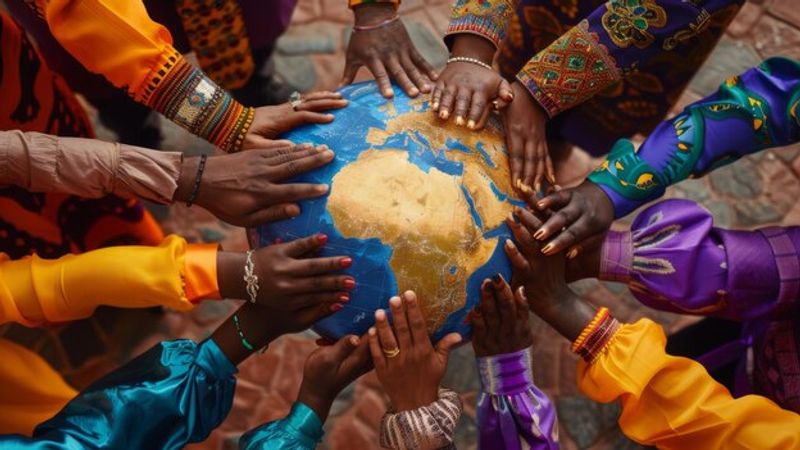
Photo Credit: muzahidshamim5/ Freepik
The African diaspora has carried ancestral practices worldwide. In Brazil, Candomblé worship echoes Yoruba spirituality. In the Caribbean, drumming, dance, and healing rituals trace African roots. Across the US and Europe, African food, fashion, and wellness practices find new homes. Diaspora Africans also reclaim traditions once suppressed during colonization.
Modern Relevance: Why These Practices Matter Now
1. Identity: They anchor people in heritage and provide a sense of belonging in globalised societies.
2. Wellness: From herbal remedies to meditative drumming, they offer holistic healing alternatives.
3. Community: Shared meals, festivals, and rituals create bonds that technology cannot replicate.
4. Sustainability: Traditional knowledge provides eco-friendly solutions for today’s environmental crises.
5. Cultural Pride: They challenge stereotypes, showcasing Africa as a source of wisdom, not just need.
Voices from Africa

Photo Credit: Freepik
African scholars, healers, and artists continue to stress the importance of ancestral traditions. Ghanaian herbalist Nana Kwame Osei notes: “Our plants are not weeds; they are medicines waiting for respect.”
Similarly, Nigerian dancer Yetunde Ajayi adds: “When we dance, we heal. The drum carries the memory of our ancestors.” These voices amplify the relevance of keeping traditions alive.
Explore more cultural stories on Showcase Africa Online.
Notwithstanding, Ancient African Practices Still Alive Today reminds us that heritage is not static. It adapts, heals, feeds, and inspires. These traditions, far from being outdated, provide essential answers to today’s search for identity, wellness, and sustainability. By embracing them, we keep Africa’s story alive, not just in memory, but in daily living.
To explore more African insights
Visit: and Our Website