Afrobeats to the World: How African Music Took Over Global Charts

Andy Akinbamini
Click to view profile
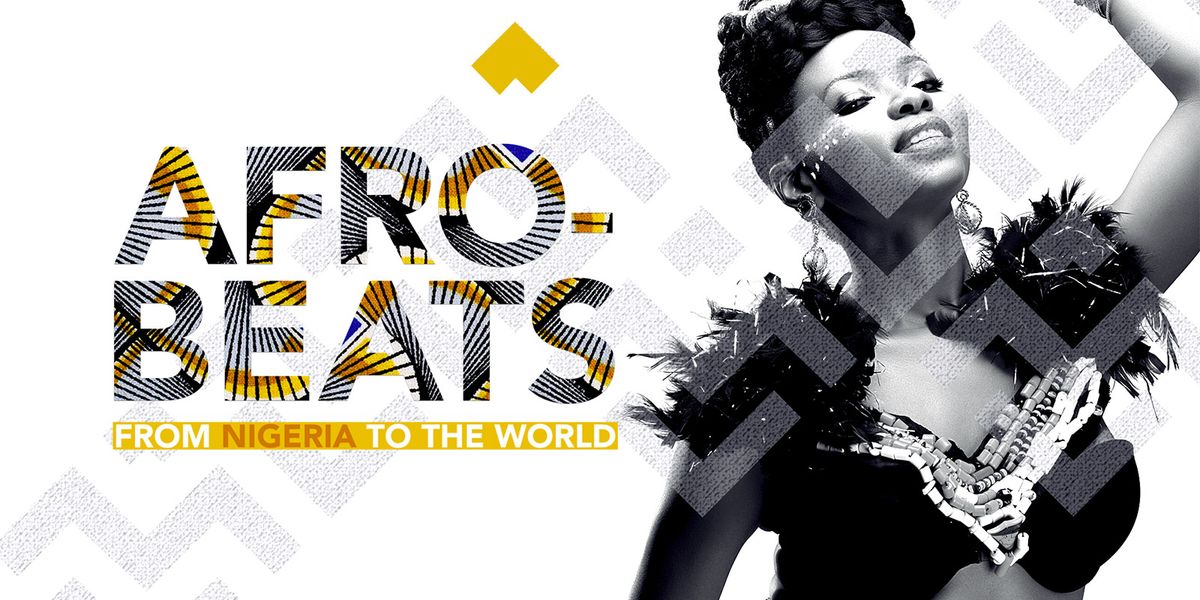
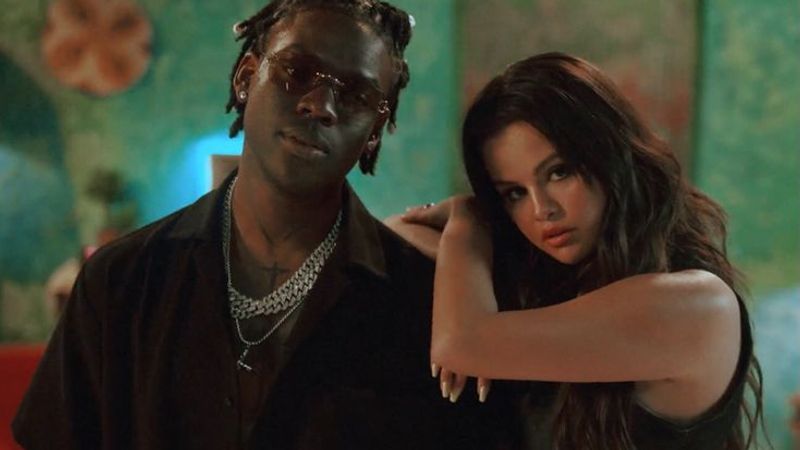
When Rema's "Calm Down" featuring Selena Gomez crossed the billion-stream threshold on Spotify in 2023, becoming the first African artist-led track to achieve this milestone, it wasn't just another chart statistic. It was a declaration that African music had firmly planted its flag on the global stage. Afrobeats has evolved from a regional sound into a cultural movement that's reshaping how the world experiences music.
This isn't simply about catchy rhythms and infectious melodies, although Afrobeats has plenty of both. It's about reclaiming narratives, celebrating heritage, and proving that Africa's voices deserve to be heard not as an afterthought, but as a driving force in global pop culture. The journey didn't happen overnight, but the momentum has been undeniable. What began in university rave scenes and diaspora communities has exploded into sold-out stadium tours, Grammy nominations, and collaborations with the biggest names in music.
The Digital Revolution That Changed Everything
Between 2017 and 2022, Afrobeats streams on Spotify increased by 550%, a growth rate that even industry experts found surprising. This explosive rise wasn't just about numbers on a screen; it represented a fundamental shift in how music reaches audiences. Streaming platforms like Spotify, Apple Music, and YouTube demolished the traditional gatekeepers that once controlled which artists got heard and which didn't.
In 2023 alone, Afrobeats was streamed more than 14 billion times globally, with cities such as London, Paris, and Nairobi ranking among the top five locations for streaming. The democratisation of music consumption transformed Afrobeats from a genre into a movement, proving that talent and authenticity could triumph over industry politics and geographical limitations.
Following The Money Trail Across Borders
While streaming brings visibility, the economic impact tells an even more compelling story about the growth of African music exports. Recorded music revenues in Sub-Saharan Africa grew by an astounding 22.6% in 2024, surpassing US$100 million for the first time and reaching US$110 million, according to the International Federation of the Phonographic Industry. This wasn't just the fastest growth rate amongst all global regions; it represented a market that had finally come into its own.
South Africa led the charge with $33 million in revenue, followed closely by Nigeria and Egypt, as subscription streaming became the primary driver of this financial boom. For context, this growth rate outpaced mature markets like the United States and Canada, which achieved a growth rate of only 2.1% during the same period. International record labels took notice, with Universal Music Group, Sony, and Warner all establishing African divisions and signing deals with Afrobeats artists. The message became crystal clear: investing in African music wasn't charity or a matter of cultural curiosity; it was smart business.
Cultural Pride Meets Global Recognition
Beyond the charts and revenue reports lies something more profound: Afrobeats has become a vehicle for cultural pride and identity. When Burna Boy sold out Madison Square Garden, becoming the first African artist to do so, he wasn't just performing songs; he was showcasing African excellence on one of the world's most prestigious stages. When Tems won a Grammy for her collaboration on "Wait for U," she shattered ceilings that many believed were impenetrable.
The introduction of the Best African Music Performance category at the 2024 Grammys, though debated by some as potentially limiting, represented institutional acknowledgement that African music deserves its own space in global conversations. Artists are using their platforms to address a range of issues, from colonial legacies to contemporary social concerns, all while inspiring people to dance. This duality, combining serious cultural commentary with irresistible grooves, is precisely what makes Afrobeats so powerful. Showcase Africa through these artists, and you'll see a continent that's confident, creative, and unapologetically itself.
Building Bridges For The Next Generation
The future of Afrobeats' global impact depends not just on current superstars but on the infrastructure being built today. Emerging artists are experimenting with genre-blending innovations, fusing Afrobeats with amapiano, R&B, and even elements of Latin trap. Platforms like Twitch are becoming new spaces for artists to connect with fans through live streaming sessions, while TikTok continues to turn songs into global anthems overnight.
For Afrobeats to maintain its trajectory, investments in music education, improved digital infrastructure, and policy reforms are essential. The good news? Governments and private investors are beginning to take notice, with funding initiatives popping up across Côte d'Ivoire, Zambia, and other nations. African music export isn't just about sending sounds abroad; it's about building sustainable ecosystems that allow creativity to flourish locally whilst reaching globally.
Discover how Afrobeats conquered global charts and transformed African music export into a billion-dollar industry. Explore the cultural revolution reshaping pop culture worldwide.
Visit Our Website to learn more and explore Africa insight.