African Street Art: The Walls That Speak Culture and Resistance

Titilayo Ifeoluwa
Click to view profile
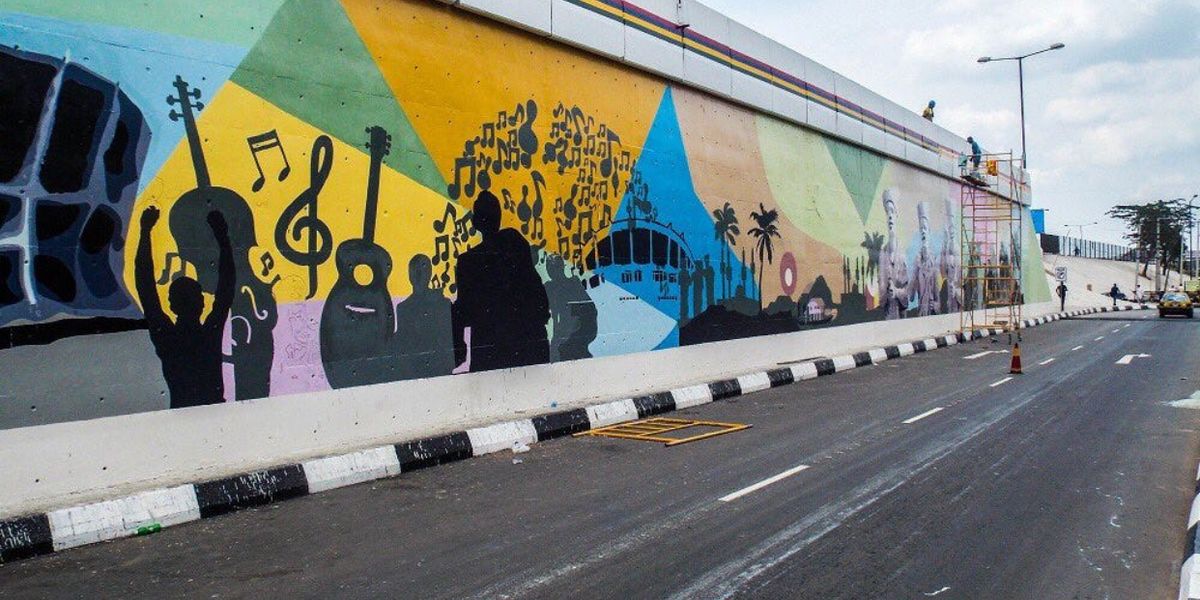
In Lagos, Nairobi, and Johannesburg, the streets are more than noise and movement the walls themselves speak. Bright colors, bold shapes, and striking faces turn every corner into a canvas.
This art is more than beauty. It carries identity, resistance, and pride, telling stories of history and hope in places where everyone can see.
The Roots: From Symbols to Spray Cans
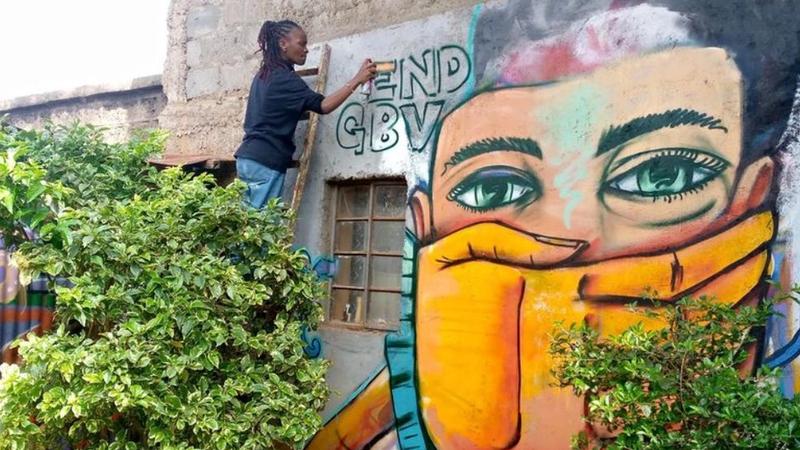
Photo credit: Elizabeth Okwach
Street art in Africa is not new. Long before graffiti, our ancestors painted symbols on walls, fabrics, and bodies. In Ghana, the Adinkra symbols told stories of wisdom and heritage. In Nigeria, the ancient Nsibidi symbols carried secret meanings. What we call street art today is a continuation of that storytelling. only now, spray cans replace chalk and dyes, and city walls replace village shrines. By the 1980s and 1990s, as hip-hop spread across African cities, graffiti became the language of the youth. Today, 70% of Africa’s population is under 30, making street art a natural outlet for young voices
Wall of protest
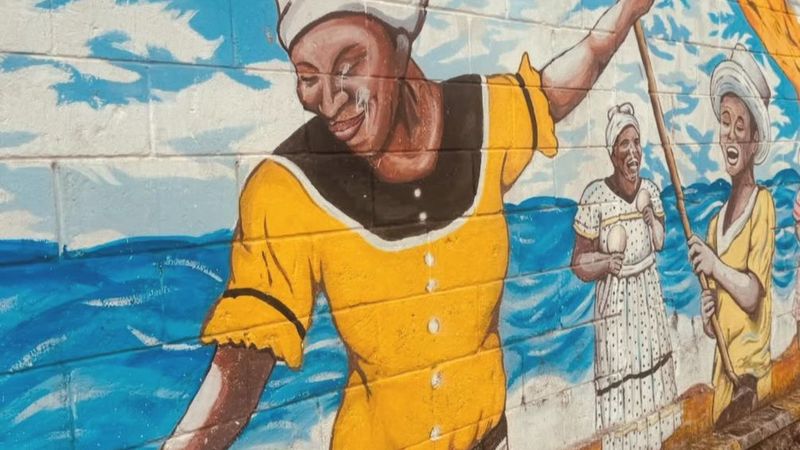
Photo credit: freepik
In Lagos, during the EndSARS protests of 2020, walls became newspapers for the people. In South Africa, Johannesburg is home to more than 200 public murals, many tied to anti-apartheid struggles and ongoing social justice movements. In Nairobi, a 2022 survey revealed that 40% of youth said murals were a more effective form of protest than traditional rallies, because “the walls can’t be arrested.” On these walls, anger and hope to co-exist. The art does not just decorate, it demands change.
Culture, Identity, and Celebration
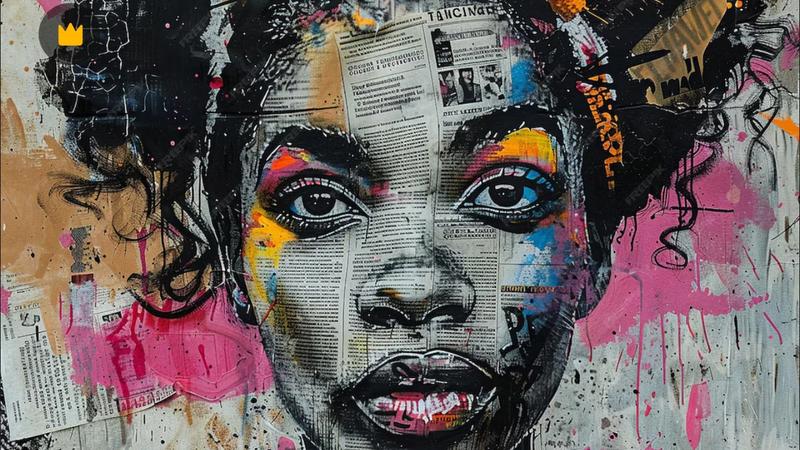
photo credit: freepik
Street art is not always about protest. Sometimes, it is about pride. In Accra, walls burst with images of African women in colorful head wraps, celebrating beauty and strength. In Lagos, murals of Fela Kuti remind people of the power of music and rebellion. In South Africa, artists use Ndebele patterns and colors to honor traditional crafts while reimagining them in urban spaces. These designs turn city walls into visual archives of cultural heritage. The creative economy across Africa is growing fast UNESCO estimates it will contribute $20 billion annually to African's GDP by 2030.
The Digital Boost
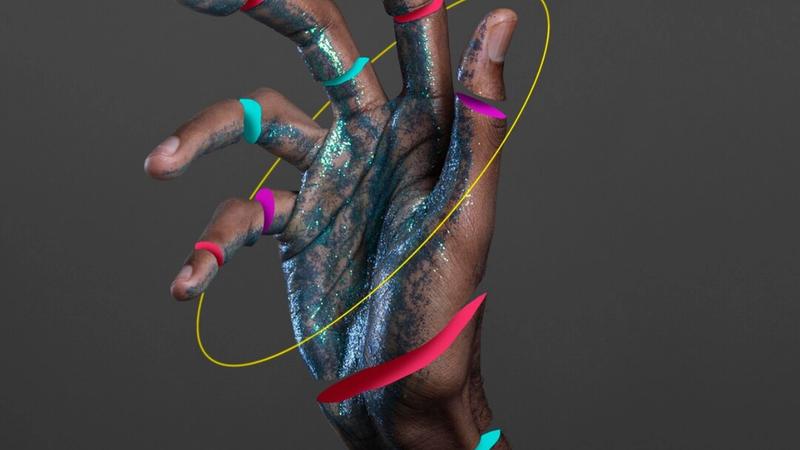
photo credit : freepik
In today’s digital age, African street art no longer stays on the streets. Thanks to Instagram, TikTok, and YouTube, a mural in Nairobi can go viral in New York within hours. Artists who once painted for free are now collaborating with global brands like Nike and Adidas, using their style to sell sneakers and clothes while keeping their messages alive.
Some artists are even turning murals into NFTs (digital art pieces), earning global recognition and income from what was one once dismissed as “illegal graffiti.”
Challenges for the Artists
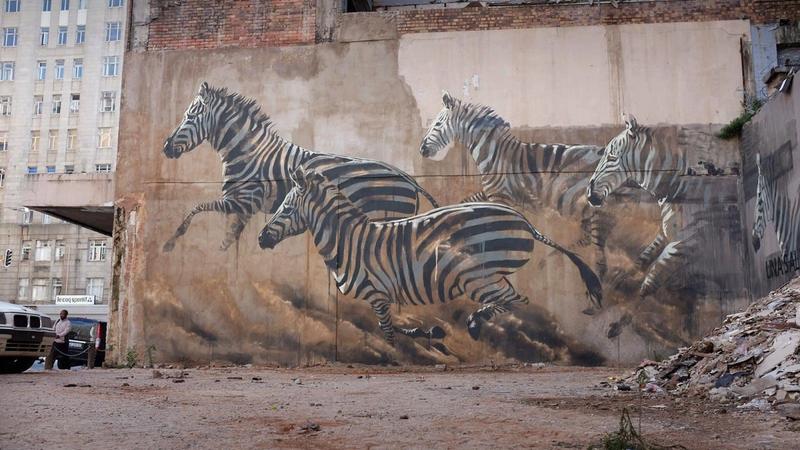
photo credit: MoMMA ( Modern African Art Museum )
Many governments still see graffiti as vandalism, painting over murals as quickly as they appear. Others dismiss street art as “low art” compared to gallery paintings. For most artists, there is little money in it. only passion, struggle, and the dream that one day their work will make someone stop, look, and think. Another major challenge is perception. While global cities like Berlin and New York celebrate street art as “cultural capital,” in many African cities it still dismissed as “dirty” or “low art.”
The Walls Speak On
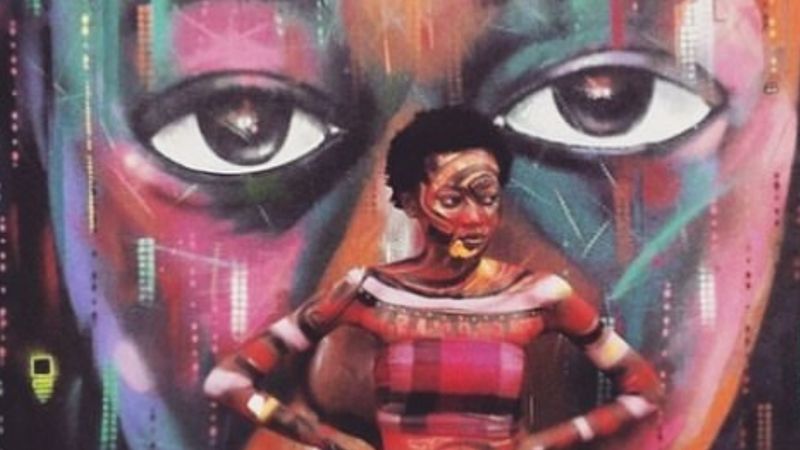
Photo credit: freepik
African street art is not just art. It is history on concrete. It is protest sprayed at midnight. It is culture wrapped in color. These walls speak because silence is no longer a choice. These walls are living archives. They remember names that governments erase, faces that textbooks forget, and dreams that generations refuse to abandon.
Want industry insights, event updates, and talent showcases?
Visit: Our Website