
African Stock Markets to Visit: Investment Guide to a global trader.

Andy Akinbamini
Click to view profile
International investors are increasingly eyeing African stock markets for diversification and access to high-growth economies. In 2024, several exchanges outperformed developed market indexes, proving the continent’s resilience and potential despite global uncertainties.
Each market presents unique opportunities and challenges - some offer robust regulatory systems and liquidity, while others provide access to rapidly growing consumer bases. Success depends on understanding local economies, regulations, and currency trends. Traders who take time to study these dynamics can uncover some of the world’s most promising investment opportunities.
Kenyan Market to Provide an Exemplary Performance
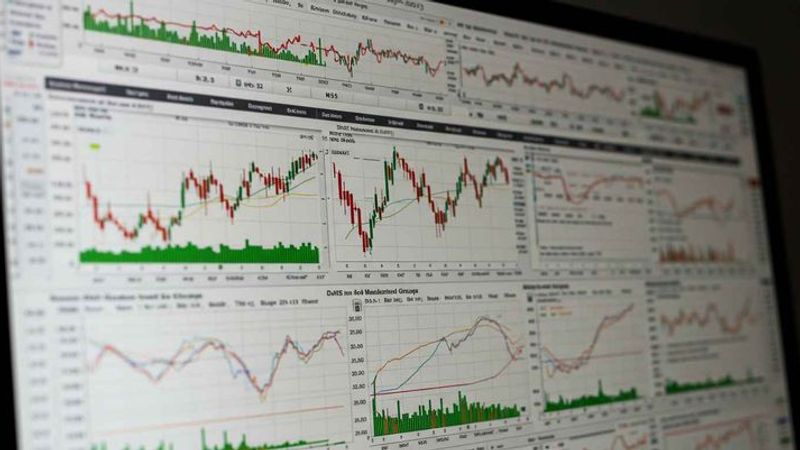
Photo credit: NAIROBIminiBLOGGERS/Pinterest
In 2024, the Nairobi Securities Exchange was among the best-performing stock exchanges in Africa, delivering significant returns to investors. In 2024, the Nairobi Securities Exchange reported a 34.06% increase in local currency and a 65.3% increase in USD, marking a strong performance by the exchange. This exemplary performance was achieved due to the stability of the currency, strong corporate earnings, and increased foreign investment in the economy.
The South African Exchange provides Market Depth

Photo credit: Clive Tyler/Pinterest
The Johannesburg Stock Exchange is the largest and most developed market in Africa, offering international investors a high level of depth and liquidity. South Africa's economy, with a GDP of approximately $399 billion in 2024, encompasses a diverse range of publicly traded businesses across various industries. The JSE is a gateway to financial services, as well as mining firms, telecommunications, and consumer goods enterprises based in Africa and around the world.
Nigerian market has a recovery potential

Photo credit: MakeMoney.ng/Pinterest
International interest in the Nigerian Stock Exchange is resurfacing as economic reforms begin to yield results, and currency stability is also improving. Nigeria's high population and consumer market present growth opportunities for companies listed on the exchange in the banking, telecommunications, and consumer industries. The latest changes in policies regarding foreign trade and business laws have boosted investor confidence in the Nigerian market. Foreign investors are also attracted to underpriced stocks, which may improve with further economic reforms and a favorable business environment.
Egyptian Exchange Provides Strategic Location
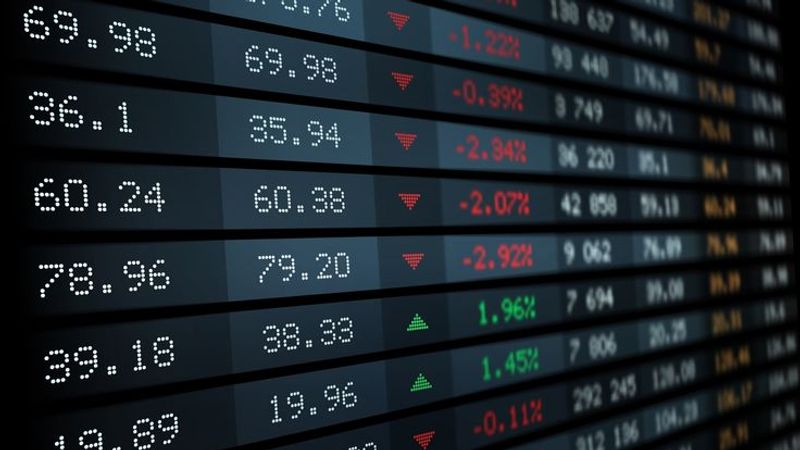
Photo credit: Schaeffer's Investment Research/Pinterest
The Egyptian Stock Exchange holds a strategic position in the country, serving as a gateway to the African, Middle Eastern, and European markets. The Egyptian Exchange (EGX) grew by 19.47% in 2024, as indicated by the EGX-30 index. Egypt's multicultural economy, which encompasses sectors such as tourism, manufacturing, energy, and financial services, presents various investment opportunities to foreign investors. The Egyptian market is offering new opportunities as a result of government efforts to modernize the economy and to boost foreign investment.
Moroccan Market is Stable.

Photo credit: Ester/Pinterest
The Casablanca Stock Exchange is among the most secure and well-regulated markets in Africa, attracting conservative international investors seeking efficient returns. The diversified economy, robust banking sector, and strategic location of Morocco, which facilitates trade with both Europe and Africa, favour stable market performance. This exchange has the advantage of government reforms that would enhance corporate governance and transparency in the market, thereby attracting international investors. Moroccan stocks offer an opportunity to gain exposure to the growth of the North African economy at a relatively low level of volatility compared to other African markets.
These are Currency Effects on Returns
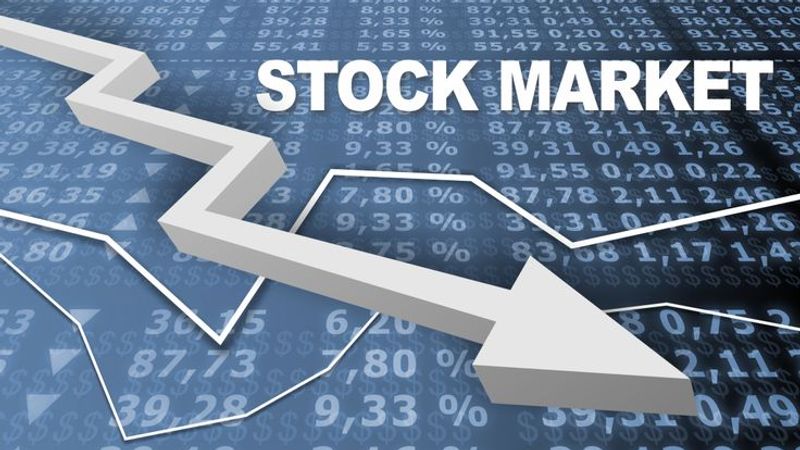
Photo credit: Pinterest
Exchange rate fluctuations have a significant impact on the returns of international investors in the stock markets of African countries, in some cases more so than on the underlying stocks. Stability or appreciation of a currency may significantly add value to USD returns to international traders, whereas depreciation could reduce profits on local stock appreciation. International investors require mechanisms for mitigating currency risk through hedging or by selecting markets with a more stable exchange rate regime. Currency dynamics is a critical field that enables one to assess future returns and risks of investing in African stock markets definitively.
Markets have different regulatory Frameworks

Photo Credit: DC Studio/Freepik
Various stock markets in Africa have different regulatory frameworks that influence foreign investor participation, capital repatriation, and trade practices. Some exchanges have long-standing policies that safeguard minority shareholders and ensure transparent reporting, whereas others continue to build extensive regulations. In every market that international investors are considering, there are specific laws that they should be aware of, including foreign ownership levels, dividend repatriation, and taxation. International traders can easily operate in compliance with regulatory requirements by working with local brokers and advisors who are well-informed about the relevant regulations.
Opportunities in the Market Sector are Diverse

Photo Credit: DC Studio/Freepik
The African stock exchanges offer exposure to various sector opportunities in each country, tailored to their respective economic setups and development priorities. Most leading African exchanges have a good representation of financial services, telecommunications, and consumer goods sectors, with established public companies. Resource-rich countries are dominated by mining and energy firms, which expose them to the trends in commodity prices and global demand. Knowing the areas that motivate each market can guide international traders in identifying which areas will provide them with opportunities to support their investment strategies and risk preferences.
Market Liquidity Affects Trading Strategies

Photo credit: Priya Sharma/Pinterest
The African stock markets differ significantly in terms of liquidity, which influences how international traders can enter and exit positions without affecting prices. Major exchanges, such as Johannesburg and Cairo, have more liquidity in large stocks and are therefore more suitable for large institutional investors. Smaller markets may require international traders to employ limit orders and extended time horizons in order to construct or exit positions. Knowledge of market liquidity enables investors to develop effective trading strategies and position sizing for every African market they enter.
Visit Our Website to learn more and explore Africa.