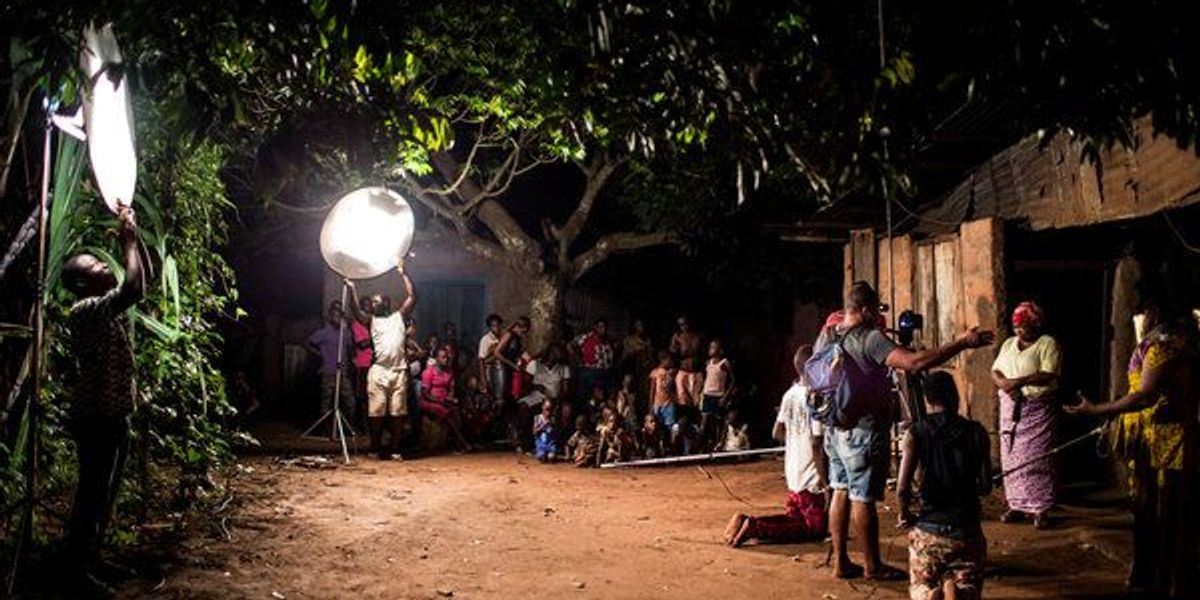
African Languages in Film and Media

Titilayo Ifeoluwa
Click to view profile
Imagine hearing your mother tongue echoing across a cinema hall, vivid voices rising in familiar rhythms. In that moment, you feel rooted, alive, part of a story that honours your own heritage. Yet too often, screens around the world speak in foreign tongues, leaving many of the world's traditions unheard. The fields of African cinema, languages, and multilingual storytelling are standing at a crossroads where culture meets modern narrative, and the call is strong.
The heart of this article reflects the belief that Africa’s voices deserve to be heard by Africans and by the world, so that the world can understand and appreciate them. With this strategic keynote: Encourage authentic representation in media. We offer updates and trends, practical advice, and vivid cultural insight into how film and media can honour linguistic diversity across our continent. This is a story of language, identity, media refor,m and possibility.
The Rich Tapestry of African Languages
Photo Credit: DiscountMag.com
Africa is home to between 1,250 and 2,100 distinct languages, making it one of the most linguistically diverse continents in the world. These tongues carry community memory, folklore, wisdom, and identity. When film and media honour these languages, we reconnect with deep roots and living culture. But when they neglect them, we risk cultural loss and alienation of large audiences.
Historical Barriers to Indigenous Language Representation
Photo Credit: Darlene Lambertson-Fetterman
Colonial legacies and global media norms often sidelined the use of African languages in cinema and broadcasting. Scholars note that external narratives and expectations shaped many early film industries in Africa. This meant stories were told in foreign tongues and filtered through outsider lenses, creating a gap between media and the lived language of communities. Reversing this trend is vital for true representation.
The Power of Multilingual Storytelling in Film
Photo Credit: Khadaura| Fame coach
Multilingual storytelling allows films to embrace authenticity, giving characters voices in their own language, resonating with local audiences and also inviting global viewers into new worlds. In Nigeria for example, regional film industries produce content in Yoruba, Hausa, Igbo and Pidgin alongside English. When creatives adopt local languages in media, they build bridges between tradition and the modern screen.
The Role of African Cinema Languages in Identity and Culture
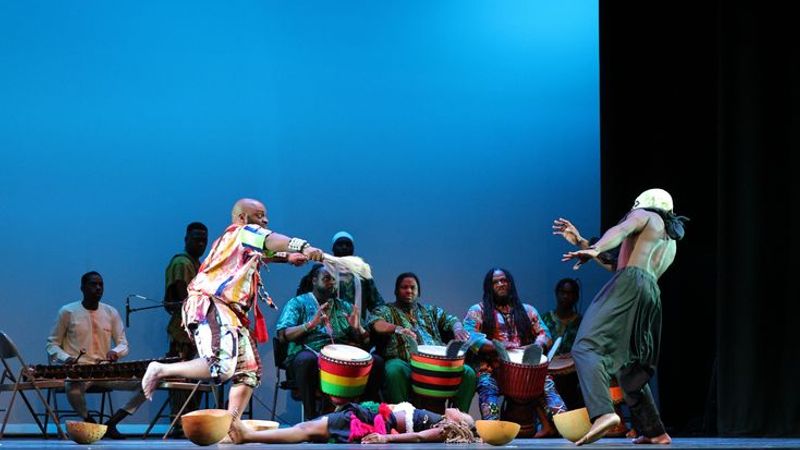
Photo Credit: Kofagodancemanager
Using native languages in film is more than a stylistic choice; it affirms cultural integrity, community pride, and a sense of belonging. Scholars argue that films using African languages challenge previous misrepresentations and reclaim narrative agency. For many audiences, hearing their tongue on screen affirms their value in a global story and nurtures a deeper emotional connection.
Practical Advice for Filmmakers and Media Producers

If you are working in film or media, consider these tips for embracing African languages:
- Collaborate with language speakers and local communities when writing scripts and casting roles.
- Provide subtitles rather than replacing native dialogue with English, preserving linguistic authenticity.
- Design marketing that emphasises the language dimension; audiences crave hearing their tongue on screen.
- Archive and document scripts, dubbing, and translation practices to build multilingual resources for future creators.
This approach not only enriches culture but also expands audience reach, tapping into multilingual markets across Africa and the diaspora.
Trends and Updates in Media Language Representation
Photo Credit: Henrique Maldito
Recent trends indicate increased interest in films featuring African languages and multilingual storytelling. Digital platforms are enabling distribution beyond national boundaries, allowing lesser-known linguistic works to reach global viewers. Research emphasises the need to decentralise language dominance in media production to enable local voices to flourish. The era of one-language dominance is shifting, and the stage is open for creative pluralism.
Challenges to Integrating African Languages in Media
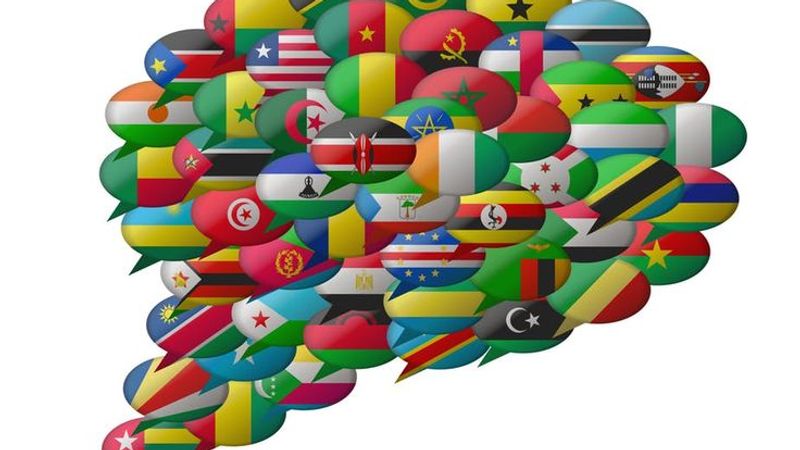
Photo Credit: Pinterest
Despite the positive momentum, there are real challenges: limited funding for productions in indigenous languages, a lack of subtitles or translations for wider release, and industry bias in favour of dominant languages. Some audience research even indicates that speakers of indigenous languages may still prefer content in dominant languages due to quality or accessibility issues. Addressing these requires policy support, industry training, and investment in language-rich production.
Building a New Media Narrative for Africa
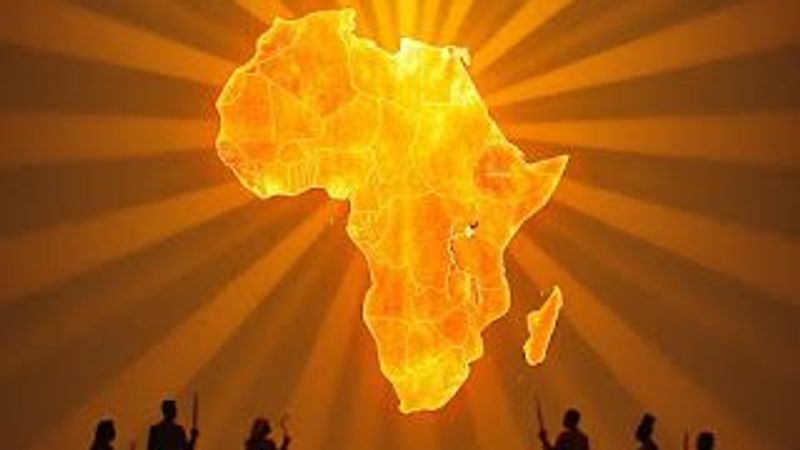
Photo Credit: The African Gourmet
Now is the moment to build a media landscape where native tongues in film and media are valued, not marginalised. Communities, creators, educators, and platforms must collaborate to ensure that African cinema languages shine. At the heart of this is the belief that Africa’s voices deserve to be heard by Africans so that the world can understand and appreciate them. When voices speak in their own language, they invite true empathy, global curiosity, and respectful engagement.
Visit Our Website for insights, case studies, trends, and resources on multilingual storytelling in African media. Engage with the movement, share your story, support films in your native language, and help build a cinema that reflects the fullness of Africa’s voice.