African Food Stories” Series. Part 4: Suya/Kapana/Nyama Choma

Vera Ifechukwu
Click to view profile
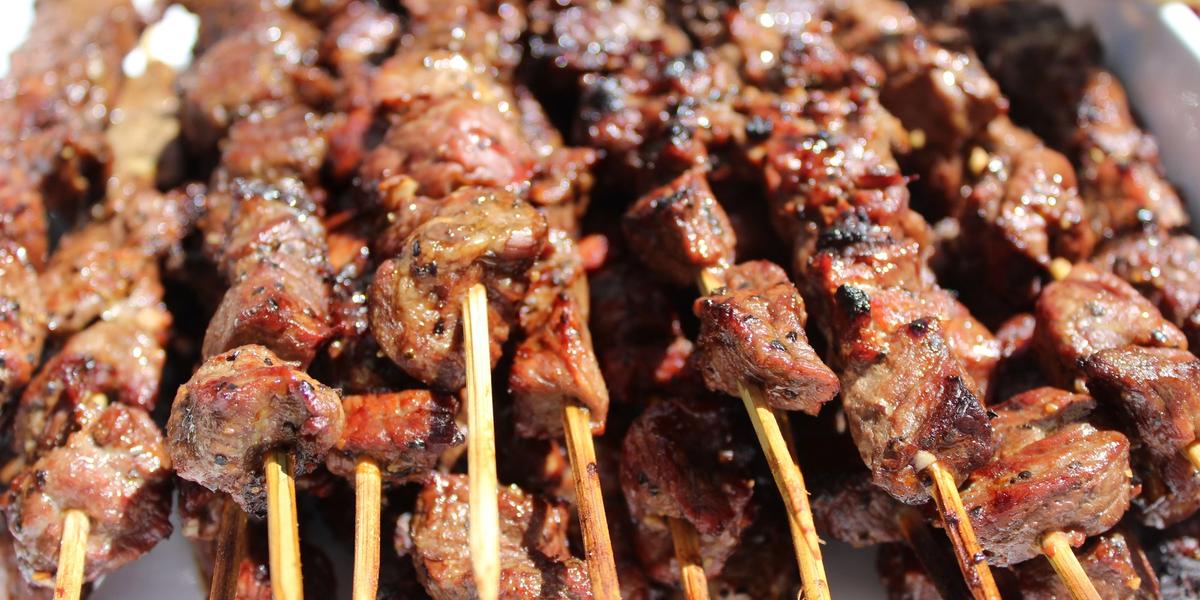
Across Africa, the smell of meat grilling over open fire creates a familiar comfort. The rising smoke, sizzling sounds and bold spices tell stories of culture and connection. Suya, Kapana and Nyama Choma are not just grilled meats. They are living traditions shaped by history, people and shared experiences.
This feature from Showcase Africa highlights these dishes with heart and clarity. It traces their roots, their flavours and their role in everyday life. Each dish carries memories, rituals and emotions passed through generations. Together, they reveal how food becomes a bridge between people and place.
Origins And Regional Roots
Suya began with the Hausa people of northern Nigeria and spread across West Africa. It uses thin meat slices seasoned with a peanut-rich spice mix called yaji. Street vendors serve it hot from open-fire grills.
Kapana comes from Namibia’s streets, where butchers grill meat over wood flames beside busy markets. It is simple, smoky, and intensely social. People gather around stalls to talk, laugh, and share bites.
Nyama Choma dominates celebrations in East Africa, especially Kenya and Tanzania. It is slow-roasted goat or beef grilled over charcoal. The name literally means “roasted meat” in Swahili. Its flavour reflects patience, fire, and shared joy.
Flavor, Spice, And Aroma
Suya’s famous yaji spice blend creates its signature nutty, fiery flavor. It combines ground peanuts, chili, ginger, garlic, and salt. This mix forms a crust on the meat as it grills.
Kapana uses lighter seasoning because flavour comes from heat, smoke, and fresh beef. The grilling process creates a bold, honest taste. Vendors chop meat quickly and serve it with sauces or fresh vegetables.
Nyama Choma relies on slow roasting to build deep flavour. Many cooks keep seasoning minimal, using salt, lemon, or garlic. Wood smoke provides the main aroma. The result is tender meat enjoyed with ugali or fresh salad.
Social Rituals And Community Gathering
Suya stands lit up at dusk across West Africa. Friends and families gather to enjoy skewers with onions, tomatoes, and pepper sauce. The atmosphere feels warm, lively, and communal. Food becomes a shared moment.
Kapana stalls in Namibia serve as natural meeting points for people of all ages.
Conversations flow as meat sizzles on metal plates. Eating stands as a simple act, yet it strengthens community bonds. Nyama Choma brings people together on weekends, at parties, and during relaxed evenings. Groups often grill together outdoors, turning cooking into entertainment.
Simple At-Home Guide To Grill Like A Street Chef
Start with fresh, good-quality meat for authentic flavour. Slice it thinly for Suya or use solid cuts for Kapana and Nyama Choma. For Suya, blend ground peanuts, chili, ginger, and garlic into a rich rub. Coat the meat thoroughly. Grill over hot charcoal until slightly charred.
For Kapana and Nyama Choma, season lightly or use a simple marinade. Grill over wood or charcoal, turning slowly for even cooking. Let the smoke infuse the meat. Serve Suya with onions and tomatoes. Pair Kapana and Nyama Choma with flatbread, ugali, or fresh relish. Enjoy with family or friends.
Why These Grilled Traditions Matter Today
These dishes travel with Africans wherever they go. They help people stay connected to roots, flavour, and identity. In busy cities, they also support small vendors and local food economies. Street grills offer affordable meals and provide income for families across regions.
A 2023 FAO finding notes that street-food economies support millions across Africa. Such foods anchor culture in everyday life.
Global interest continues rising as African cuisine gains visibility. These dishes offer authentic taste while encouraging cultural exchange. They remind us that simple meals can carry profound meaning.
By celebrating Suya, Kapana, and Nyama Choma, we celebrate unity, creativity, and the enduring warmth of African food traditions.
Discover Suya, Kapana and Nyama Choma - beloved African grilled meats that unite communities, flavours and shared traditions across the continent.
Visit our website for more regional food stories, culinary photography, recipes, and features on African cuisine.