African Food Stories” Series. Part 3: Bobotie

Vera Ifechukwu
Click to view profile
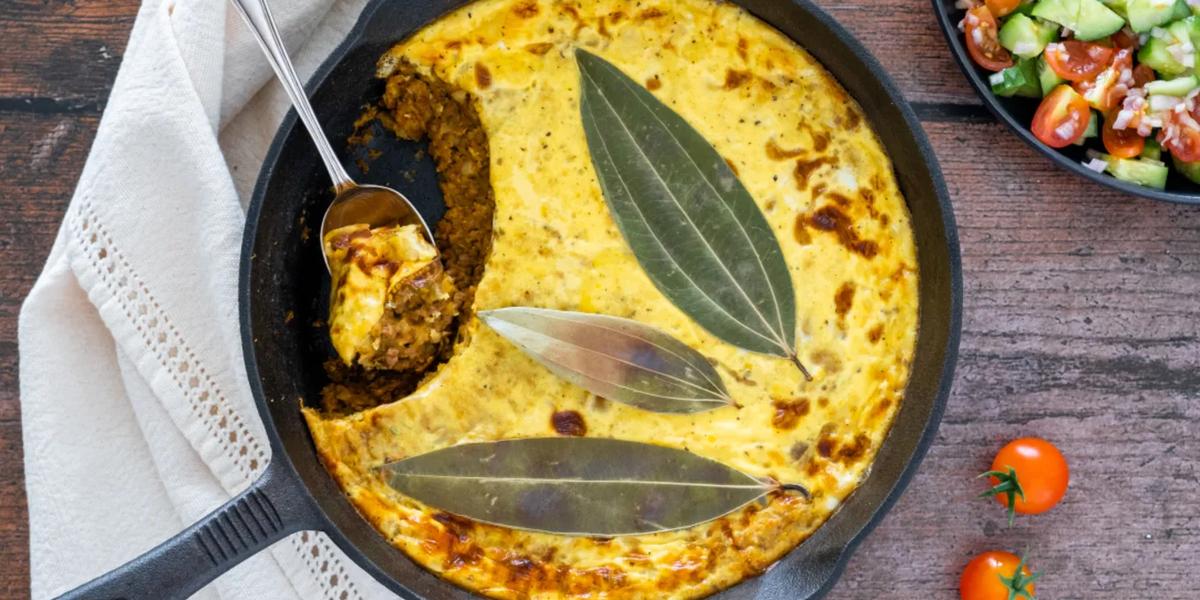
Bobotie carries an old, comforting warmth that feels like home, even to people hearing its story for the first time. It is a gentle blend of spice, sweetness, and slow oven heat that speaks to a journey filled with cultural crossings. In homes across South Africa, it appears at tables with a golden custard top, carrying stories shaped by African cuisine stories and Cape Malay traditions. Every forkful carries evidence of migration, memory, and identity.
Our belief remains simple. Africa’s voices deserve to be heard by Africans first, so the world can finally understand and appreciate the depth of our heritage. Through this daily regional feature from Showcase Africa, we share the heart of bobotie with culinary photography, cultural updates, and recipe insights. These stories remind us that food is our history, our childhood, our identity, and our doorway to global understanding.
Origins And Cultural Roots
Bobotie’s history is layered with movement, adaptation, and survival. Centuries ago, people from Southeast Asia arrived at the Cape, bringing their spices, cooking traditions, and memories. South Africans, especially the Cape Malay community, embraced those flavours and slowly shaped the dish into something uniquely local.
Over time, sweet dried fruit met warm curry spices and minced meat in a beautiful union that reflected both hardship and hope. That blend quietly reminds us that African food culture is built on the people who walked before us and the flavours they protected.
The Flavour Experience
Bobotie comforts the senses in a steady, almost thoughtful way. The aroma rises from sautéed onions, garlic, and curry spices, deepened by soaking bread in milk to soften each bite. A hint of sweetness from raisins adds a gentle lift, balancing the savoury base.
The custard topping, made by whisking eggs with milk, settles into a smooth golden layer once baked. Every element works together to form a dish that feels warm, tender, and unmistakably South African. It stays simple enough for home cooks yet rich enough to leave a lasting memory.
Why Bobotie Matters Today
Bobotie lives beyond its ingredients because it carries the experiences of communities shaped by history. Families pass down the recipe, often adding their own twist, keeping the dish alive and meaningful. Many South Africans see it as a symbol of identity because it reflects the meeting of cultures that shaped the nation.
In restaurants, festivals, and global food conversations, bobotie continues to remind people that African cuisine stories are layered, complex, and deeply rooted in humanity. Sharing this dish helps protect the traditions that might otherwise fade from everyday life.
How To Prepare Bobotie At Home
Preparing bobotie begins with softening onions and garlic until they release their fragrance in the pan. Minced meat follows, seasoned with curry powder, turmeric, and a touch of fruit that brightens the mixture. Bread soaked in milk is added to help bind the flavours and soften the texture.
Everything is transferred to a baking dish and covered with a milk-and-egg mixture that sets into a golden crust during baking. Once it emerges from the oven, the dish pairs beautifully with yellow rice, chutney, and a sprinkle of fresh garnish. The process is calm, easy, and rewarding for cooks at any level.
Tips To Elevate Your Bobotie
Lean minced meat helps maintain the dish’s desired texture without overpowering the custard topping. The bread should be soaked until it blends smoothly, creating a soft, moist mixture. A gentle balance of dried fruit prevents the dish from becoming overly sweet.
When preparing the custard, pour it slowly to ensure it settles evenly across the surface. Served with yellow rice, sambal, or a tangy chutney, the dish is lifted in flavour and made complete. These simple adjustments help home cooks create a version of bobotie that feels authentic and personal.
Discover Bobotie, a warm and fragrant South African classic shaped by Cape Malay heritage, African history, and family traditions in food culture in Africa.
Visit our website for more daily regional features, recipe updates, and cultural food stories.