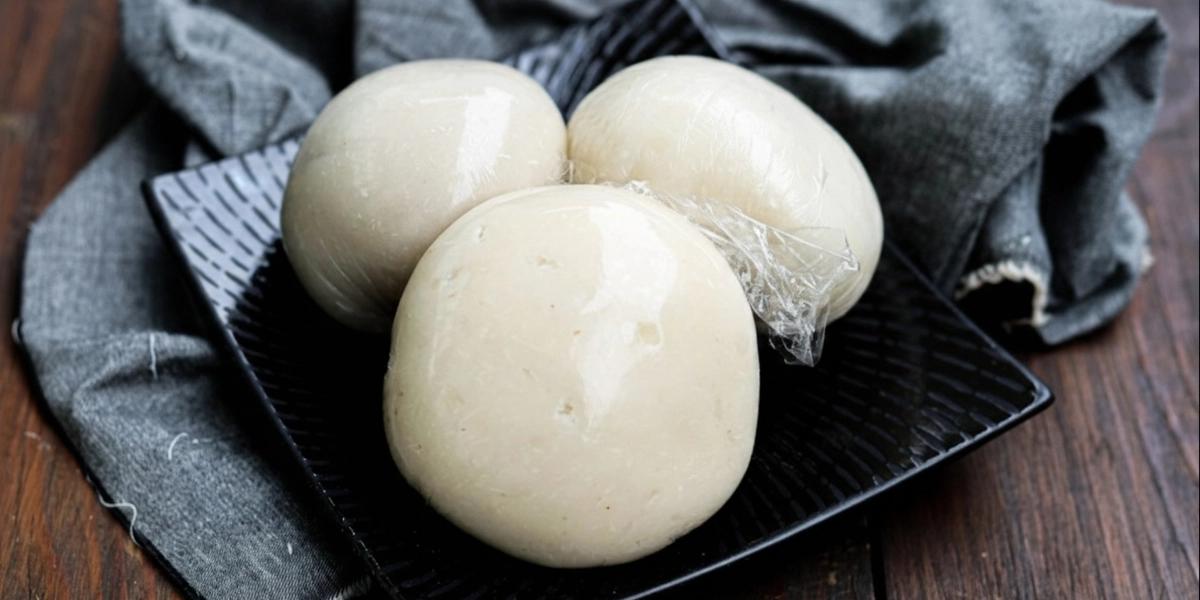
"African Food Stories” Series. Part 2: Fufu

Vera Ifechukwu
Click to view profile
Fufu carries the warmth of family gatherings, the rhythm of village kitchens, and the pride of centuries-old heritage. It is a dish that brings communities together through shared rituals, rich flavours, and long-standing culinary traditions. It holds a central place in African cuisine stories, representing nourishment, unity, and deep cultural identity across regions. Its story reflects the belief that Africans must hear Africa's voices for the world to understand and appreciate.
This second chapter in the African Food Stories series explores Fufu beyond the plate. It travels through its origins, preparation methods, cultural symbolism, and modern influence. As part of this daily regional series with culinary photography and recipes, it provides updates and trends that connect food culture in Africa with both local and global audiences.
Origins And Cultural Significance
Fufu has its origins in West and Central African communities where cassava, yams, and plantains were first cultivated; the dish developed from ancient pounding traditions that transformed these crops into smooth, elastic meals. Families used wooden mortars and pestles to create textures that suited local preferences. These processes became part of shared cultural identity, passed down through generations. Fufu remains a respected symbol of heritage within many African societies and communities.
Ingredients And Preparation Techniques
The ingredients used for Fufu vary depending on regional availability and cultural preference. Cassava is widely used, while yams, cocoyams, and plantains are popular in many West African households. The preparation involves boiling the chosen ingredient, then pounding or stirring until smooth. This process requires strength, precision, and patience to achieve the soft, stretchy texture people love. These techniques preserve traditional methods while allowing for modern adaptations in home kitchens.
Regional Variations And Flavour Traditions
Each region interprets Fufu in its own unique way, reflecting the diversity of African food culture. Ghana often serves Fufu with light soups, palm nut stews, or groundnut soups. Nigeria pairs it with egusi, ogbono, or vegetable soups, enriching the overall dining experience. In Cameroon and Congo, cassava-based Fufu sits at the centre of meals with fish and pepper sauces. Showcase Africa highlights such regional variations to preserve cultural understanding and culinary appreciation. These differences reveal the dynamic and evolving nature of African cuisine stories.
The Social Rituals Around Fufu
Eating Fufu is more than consuming food. It is a social practice that reinforces a sense of belonging, respect, and community. Many families gather around one bowl, sharing from the centre while expressing togetherness. Elders often teach younger ones the etiquette and techniques of moulding Fufu with the fingers. This act of sharing strengthens traditions and values. These communal dining customs continue to shape identity in both local villages and urban households worldwide.
Modern Influence And Global Recognition
Fufu is gaining attention internationally as African cuisine stories reach global audiences through social media, culinary events, and food tourism. Restaurants across Europe, America, and Asia now feature Fufu on their menus. Bloggers and chefs share updates and trends that showcase its versatility and cultural richness. People from different cultures are discovering its comforting texture and strong connection to African heritage. The dish is becoming a global representation of African pride and innovation.
Practical Tips For Making Perfect Fufu At Home
Preparing Fufu at home can be rewarding when you use the proper techniques and ingredients. Use fresh cassava, yams, or plantains to achieve the best texture and flavour profile. Ensure the boiled base is soft before pounding or stirring to avoid lumps. Maintain steady stirring movements when using modern cooking methods to create a smooth consistency. Match your Fufu with well-seasoned soups or stews to balance taste. These simple tips help home cooks recreate authentic experiences with confidence.
Explore the rich story of fufu in African cuisine, food culture, and deep traditions, with regional styles, daily culinary practices, and heartfelt cultural meaning.
Visit our website for more African food stories, regional recipes, and cultural features.