"African Food Stories” Series: From Jollof Wars to Injera Traditions. Part 1: Jollof Rice

Vera Ifechukwu
Click to view profile
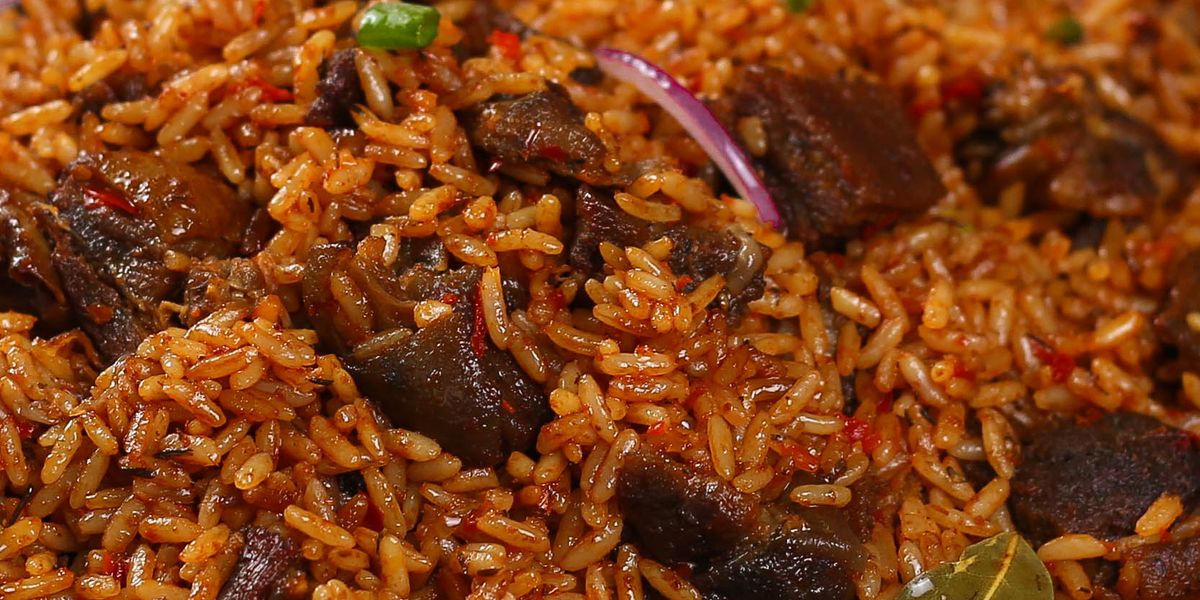
Jollof Rice is more than a meal. It is a powerful cultural symbol that stirs pride, memory, and identity across West Africa. It travels from family gatherings to street festivals with colour, aroma, and emotion. The story of this dish sits at the heart of African cuisine, connecting history with flavour. Many communities hold their recipes with pride, reflecting the belief that Africa's voices deserve to be heard by Africans and by the world.
This profile opens the first chapter in our African Food Stories series. It shares the origins and variations of Jollof Rice, explores its cultural relevance, and reveals the food culture of Africa through personal connections. Each feature supports the series' mission of regional daily stories with culinary photography and recipes. It offers insight into food traditions, provides updates and trends, and encourages readers to explore Africa’s enduring flavours.
Origins And Cultural Journey
The roots of Jollof Rice can be traced to the Wolof people of Senegal and The Gambia. The dish emerged from ancient cooking methods that blended rice, tomatoes, peppers, and spices. These early forms travelled across West Africa through migration, farming, and trade. Each community adapted the recipe to local produce and cultural tastes. This journey turned Jollof into one of the most influential dishes in African cuisine stories.
The Famous Jollof Wars
The Jollof Wars describe the friendly rivalry between West African nations over who cooks the best Jollof Rice. Nigeria, Ghana, Senegal, and Sierra Leone often dominate these conversations. The debates appear on social media, food shows, and cultural festivals. These conversations highlight pride in Africa's food culture through humour and creativity. The Jollof Wars strengthen cultural identity and celebrate community traditions. They also bring global attention to African culinary heritage.
Regional Variations And Flavour Traditions
Each region adds its unique touch to Jollof Rice. Smoky flavours and rich pepper profiles characterise Nigerian Jollof. Ghanaian Jollof is known for its milder heat and layered tomato base. Senegalese Jollof, called Thieboudienne, includes fish, vegetables, and deep heritage. These variations show Africa’s culinary diversity and creativity. Showcase Africa often highlights such regional differences to promote understanding and cultural pride. These recipes show how tradition evolves over time and across places.
The Modern Influence Of Jollof Rice
Jollof Rice continues to shape global conversations about African food. Restaurants across Europe and the Americas now include it on their menus. Food bloggers share updates and trends that celebrate their flavours and cultural impact. Chefs experiment with spices, grains, and plating styles to create new interpretations. Yet the heart of the dish remains grounded in heritage and community. Jollof’s global rise shows how African cuisine stories influence world food culture.
Practical Tips For Making Authentic Jollof Rice
Cooking Jollof Rice well requires patience, fresh ingredients, and attention to detail. Use long-grain rice to maintain texture and prevent clumping. Prepare a rich base of tomatoes, peppers, onions, and spices before adding the rice. Allow the dish to cook slowly so flavours blend thoroughly. Maintain a controlled heat to achieve the beloved smoky bottom without burning. These tips help home cooks honour tradition while creating their own delicious versions.
Explore the vibrant story of Jollof Rice, its origins, flavours, and cultural impact across West Africa.
Visit our website for more African food stories, traditions, and recipes.