African Entertainment on TikTok and Instagram: Who’s Leading the Wave?

Titilayo Ifeoluwa
Click to view profile
Social media has become the stage where Africa’s creativity shines brightest. Platforms like TikTok and Instagram are no longer just for fun, they’re global launchpads where African artists, dancers, comedians, and influencers turn trends into careers. From Lagos to Nairobi, Cape Town to Accra, content creators are redefining what African entertainment looks like to the world.
The rise of short-form video has amplified African music, dance challenges, and comedy skits, transforming them into viral sensations. These platforms are not just spaces for expression; they are cultural battlegrounds where youth assert their identity, celebrate heritage, and connect with global audiences in seconds.
The Rise of TikTok in Africa
Photo Credit: GJ3ful/ Pinterest
TikTok has taken the continent by storm, becoming the leading platform for short-form entertainment. Its algorithm makes it possible for young creators, even without a large following, to go viral. Challenges, dances, and lip-sync videos dominate the app, making it a breeding ground for African trends. From the Jerusalema challenge to the global success of Afrobeat hits, TikTok has become the first stop for creative expression.
Instagram’s Evolution in Entertainment

Photo Credit: Pinterest
Instagram, initially built around photo sharing, has evolved into a multifaceted entertainment platform. Features like Reels and IGTV have allowed African creators to showcase comedy, music, and fashion. It also serves as a bridge for influencers and brands, with many entertainers monetizing through sponsorships and paid partnerships. While Instagram may not spread trends as quickly as TikTok, it remains a strong presence in fashion, lifestyle, and celebrity culture.
Who’s Really Leading? TikTok or Instagram?
Photo Credit: Pinterest
When it comes to dominance in Africa’s entertainment scene, TikTok appears to have the edge. In Nigeria alone, TikTok counts around 37.4 million users , making it one of the platform’s fastest-growing markets. By comparison, Instagram remains popular but is growing at a slower pace; in South Africa, for example, it had over 7.1 million active users as of April 2023. Regionally, TikTok is surging ahead, with the Middle East & Africa projected to reach 333.8 million monthly active users in 2025 , far surpassing Instagram’s footprint across the continent. While Instagram still holds sway in lifestyle, fashion, and influencer marketing, TikTok leads the way in short-form entertainment and viral trends.
The Rise of African Dance Challenges
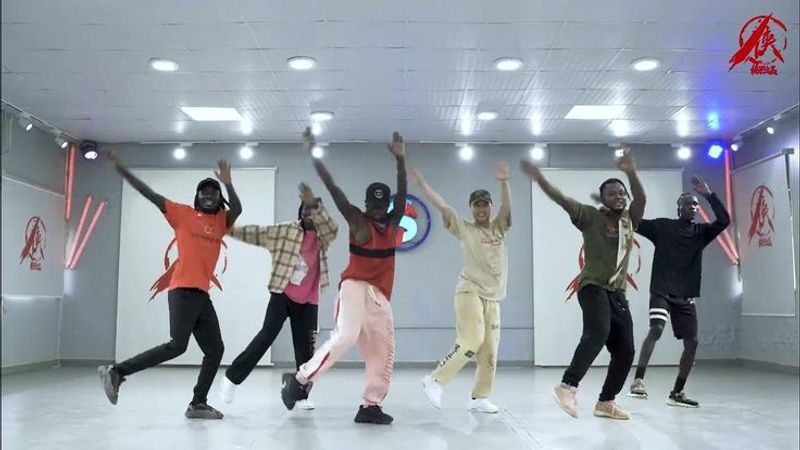
Photo Credit: Ruth Pauza / Pinterest
African music and dance dominate TikTok. Moves like the “Jerusalema Challenge” from South Africa and Nigeria’s “Buga Dance” have gone viral, amassing millions of views worldwide. According to TikTok’s 2022 Year in Review, African songs featured in the platform’s top global challenges that year. These challenges are turning local hits into global anthems.
Ghana: Music, Dance, and Crossovers
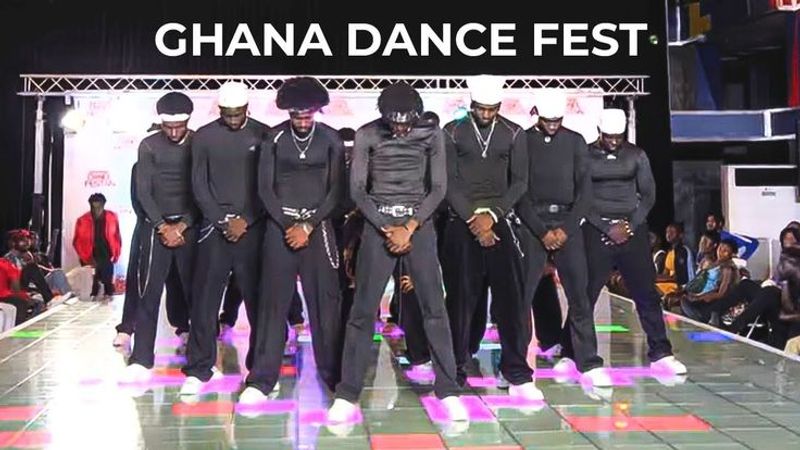
Photo Credit: DWP Academy /Pinterest
In Ghana, both platforms have fueled the growth of entertainment, but TikTok is the engine behind dance culture. Ghanaian TikTok creators like Jackline Mensah and Erkuah Official have built careers around creating skits and participating in viral dance trends. At the same time, musicians such as Stonebwoy and Sarkodie leverage Instagram for polished promotions, live updates, and fashion showcases. Together, the platforms demonstrate how Ghanaian youth blend tradition with modern digital entertainment.
Who’s Leading the Wave?
Photo Credit: Pinterest
Names like Khaby Lame (Senegal/Italy), the world’s most-followed TikToker, prove that African creativity resonates globally. Within Africa, stars like Tobi Kayode, Ezekiel Kemboi, and Uncle Vinny are turning social media fame into entertainment careers. These individuals are not just influencers; they’re cultural ambassadors.
Both TikTok and Instagram have transformed Africa’s entertainment culture, but TikTok currently leads the wave with its youth-driven, viral content. Instagram, however, still holds significant influence for polished storytelling, branding, and celebrity engagement. Ultimately, Africa’s creative future lies in the coexistence of both platforms, each amplifying the continent’s voice in unique ways.
Visit Our Website to learn and explore more insights into African entertainment.