African Architecture: Stories In stones

Titilayo Ifeoluwa
Click to view profile
In the quiet of dawn, stone tells Africa’s oldest stories. The cliffs, walls, and monuments of African Architecture speak of identity, memory, and legacy. To stand before them is to feel the touch of ancestors, their hands shaping history through rock and design. These are not mere constructions; they are vessels of meaning, created so that Africa’s voices may be heard by Africans and understood by the world.
From the stelae of Aksum to the courtyards of modern Lagos, every structure captures a moment of ingenuity and endurance. These buildings map Africa’s cultural heartbeat and architectural genius. As we revisit them, we rediscover pride, perspective, and possibility.
The Resonance Of Pre-Colonial Stone Monuments
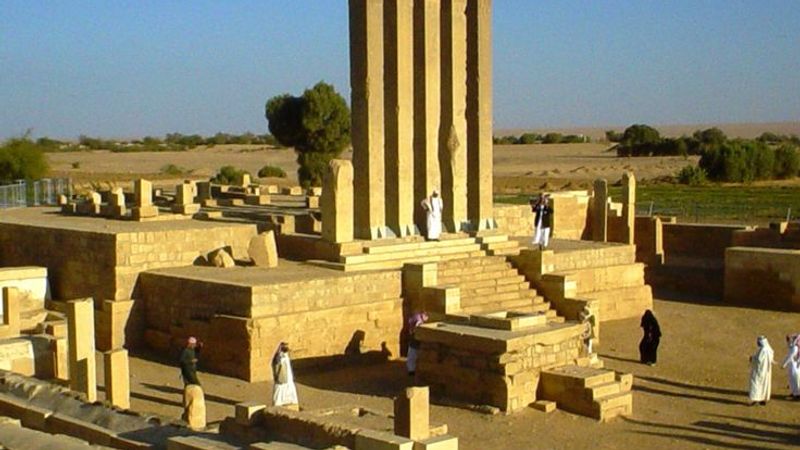
Photo Credit: FARANAK AMIGHI /Pinterest
In pre-colonial Africa, stone embodied authority and belief. The Aksumite Empire carved towering stelae and royal tombs symbolizing divine rule. The Great Zimbabwe complex, built between the 11th and 15th centuries, stands as a feat of mortarless stone engineering. In Burkina Faso, the Ruins of Loropeni reveal fortified trade cities built from laterite blocks. These structures continue to echo African mastery, resilience, and environmental awareness.
Coral Stone And Swahili Cityscapes
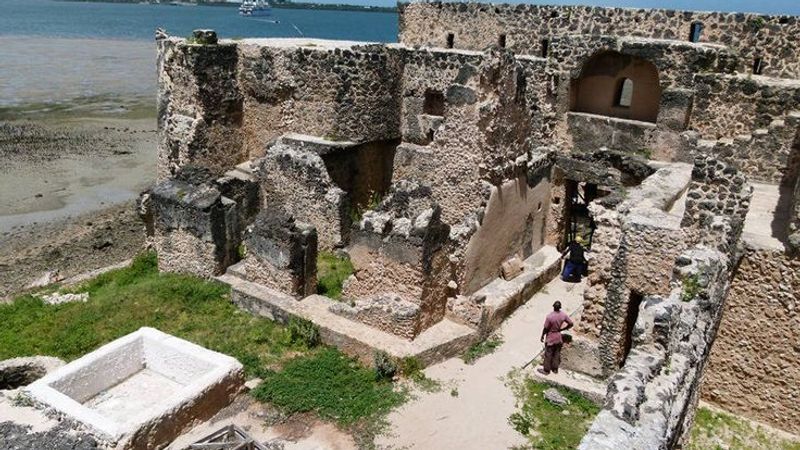
Photo Credit: Swahili Monument
Along the East African coast, coral stone served as both structure and art. In Stone Town, Zanzibar, coral limestone walls and carved wooden doors reflect centuries of trade and culture. The ancient town of Shanga used coral blocks and lime mortar to form clustered homes and narrow lanes, revealing deep social bonds. Each building tells of ocean voyages, Swahili identity, and the rhythm of life shaped by the sea.
Iron Age Stone Terraces And Walling Systems
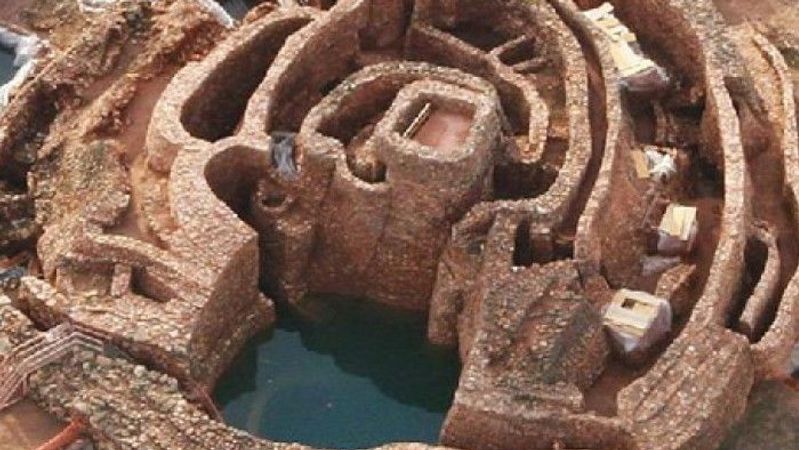
Photo Credit: Augustin / Pinterest
In southern Africa, stone spoke through the land itself. The Blaauboschkraal ruins in Mpumalanga display intricate terraces and circular walls crafted by the Bokoni people in the 16th century. These formations organized farms, cattle pens, and homesteads, reflecting a sophisticated landscape design. The terraces reveal how early Africans harmonized stone architecture with agriculture and ecology.
Colonial Encounters And Syncretic Stone Forms
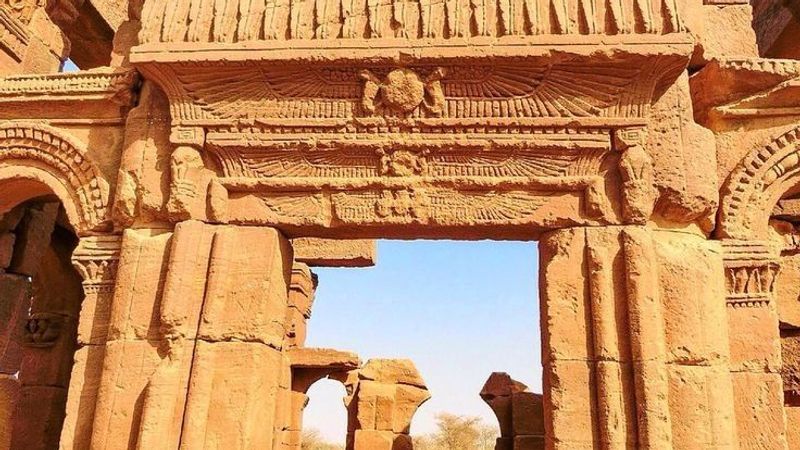
Photo Credit: Bilal Demirok / Pinterest
Colonialism reshaped African Architecture but never silenced it. In Mozambique, Fort São Sebastião, built by the Portuguese, merged European defensive planning with local stone sourcing. The Aban Palace in Kumasi fused Asante royal architecture with foreign stylistic touches. In Zanzibar, Christ Church Cathedral blended coral stone with Gothic and Islamic features. These structures reveal a period of fusion and negotiation, where stone became a symbol of identity and adaptation.
Contemporary Voices Carved In Stone And Innovation
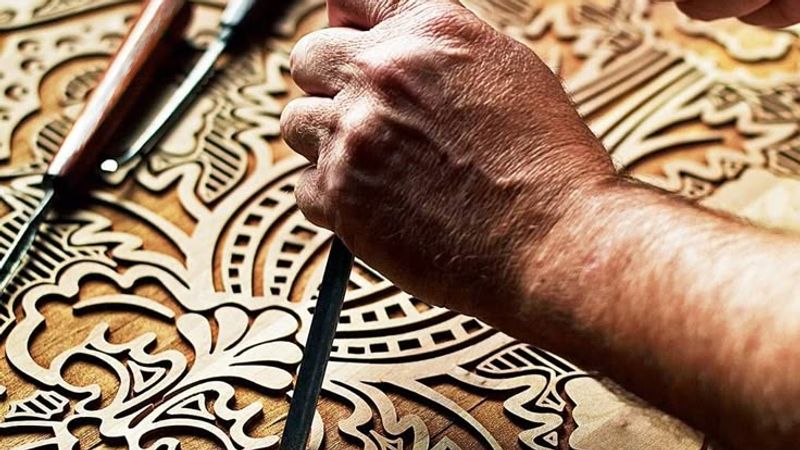
Photo Credit: House&Garden Magazine Uk
Modern African architects are merging heritage and technology. Across the continent, innovators draw from indigenous materials, sustainable methods, and cultural symbolism. Many designs reinterpret traditional masonry and vernacular stonework, celebrating local climates and landscapes. From Senegal’s earth-brick homes to Ethiopia’s basalt structures, architects now craft buildings that honor tradition while embracing progress, telling new African stories in stone.
Practical Advice For Preserving And Activating Stone Heritage

Photo Credit: Vuotonulla / Pinterest
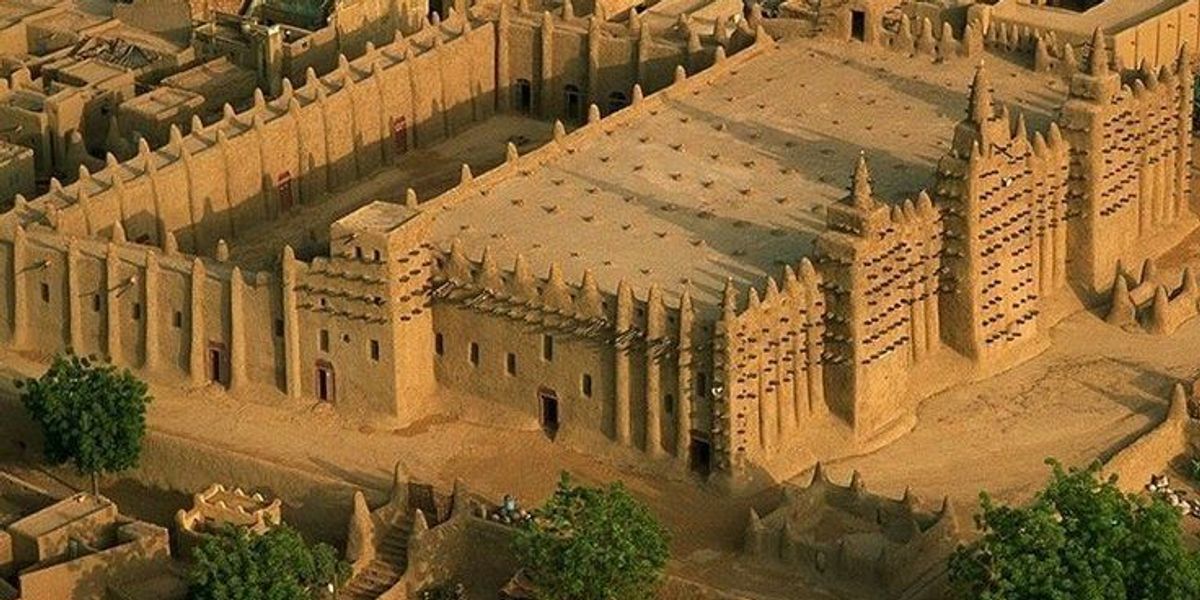
Safeguarding Africa’s stone legacy begins with proper documentation using 3D scanning and photogrammetry to record endangered monuments. Communities should engage in annual restoration efforts, much like the collective replastering of the Great Mosque of Djenné. Use lime mortar, not cement, to preserve breathability and authenticity. Responsible heritage tourism guided tours, signage, and cultural storytelling help fund preservation. Above all, new architects must integrate local stonework in design, ensuring continuity between heritage and innovation.
Trends And Updates In Stone Architecture Conservation

Photo Credit: denes Kozak / Pinterest
Across Africa, digital twin technology now tracks erosion and climate stress on stone sites. Heritage organizations promote the concept of living heritage, encouraging active cultural use of ancient buildings. Many architecture schools now teach stone restoration and conservation practices. Governments and NGOs increasingly recognize stone monuments as economic and cultural assets.
Discover how African Architecture tells timeless stories through stone, blending heritage, innovation, and cultural identity across the continent.
Let us listen more deeply to the stories carved in stone.
visit Our Website To learn more about Africa’s creative legacy and discover new updates.