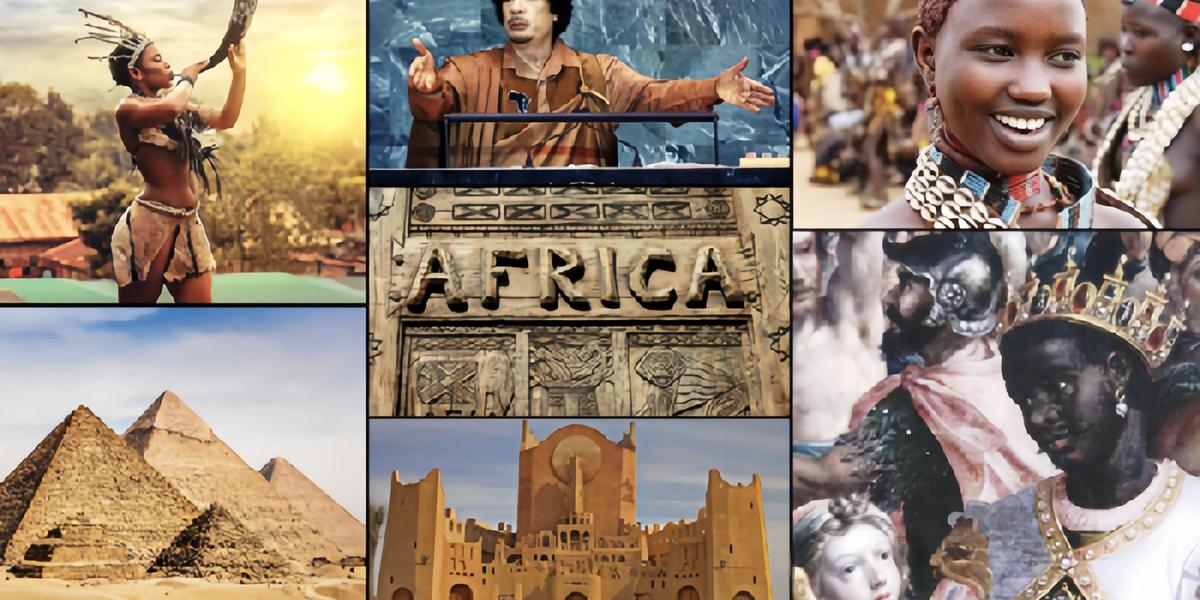
Africa Unfolded: 5 Defining Historical Moments That Shaped the Continent

Vera Ifechukwu
Click to view profile
Africa’s story is not frozen in dusty textbooks. It breathes through people, languages, and communities still alive today. Yet many struggle to connect ancient and colonial history with the modern continent. This gap prevents younger generations from seeing how past struggles explain present realities.
This article explores five key events in Africa’s history that changed the continent’s direction. Each moment reveals lessons about resilience, unity, and transformation. With Showcase Africa, we uncover connections between the past and present to inspire cultural awareness and informed conversations.
The Birth of Ancient Civilisations along the Nile
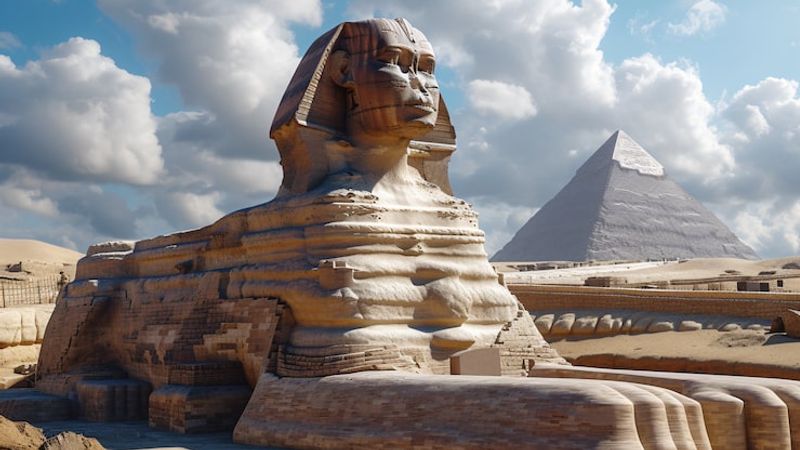
Photo Credit: Freepik
No list of key events in Africa’s history is complete without ancient Egypt. The Nile valley birthed one of the world’s earliest civilisations. By 3100 BCE, powerful pharaohs united Upper and Lower Egypt. The pyramids, hieroglyphics, and irrigation systems became symbols of innovation. Egyptian mathematics, medicine, and architecture influenced civilisations across Africa and beyond. Even today, African societies hold pride in this legacy of knowledge and creativity.
Connection to today: The organisational skill of ancient Egypt mirrors Africa’s modern drive for infrastructure and technology growth. Just as Egyptians engineered the Nile, Africans today harness rivers for energy projects like Ethiopia’s Grand Renaissance Dam.
The Trans-Saharan Trade Networks
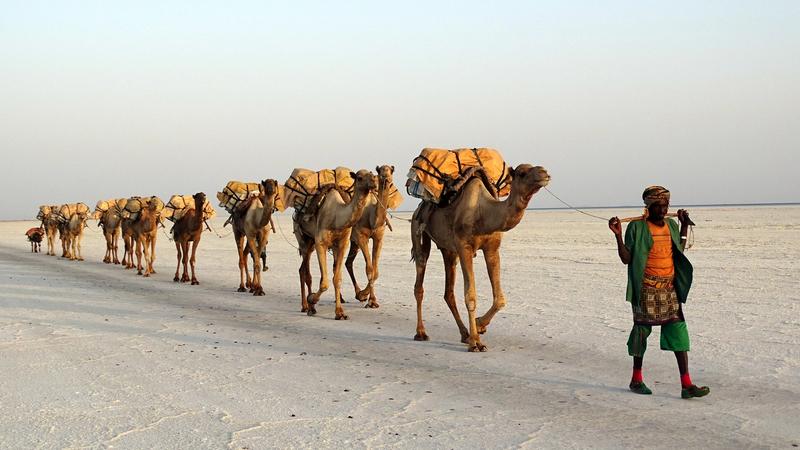
Photo Credit: Wikipedia
Long before Europe’s ships reached African shores, trade flourished across deserts and savannahs. Between the 8th and 16th centuries, camel caravans carried salt, gold, ivory, and knowledge across Africa. Cities like Timbuktu became hubs of learning, hosting libraries and universities. This period showed Africa’s role in global economic and cultural exchange. The story of Mansa Musa, the Malian emperor whose wealth amazed the world, reflects the continent’s prosperity.
Connection to today: Africa remains rich in natural resources. However, the lesson is clear: resources thrive only when combined with knowledge and networks. Today’s African Continental Free Trade Area echoes the old spirit of interconnected markets.
The Scramble for Africa and Colonial Rule
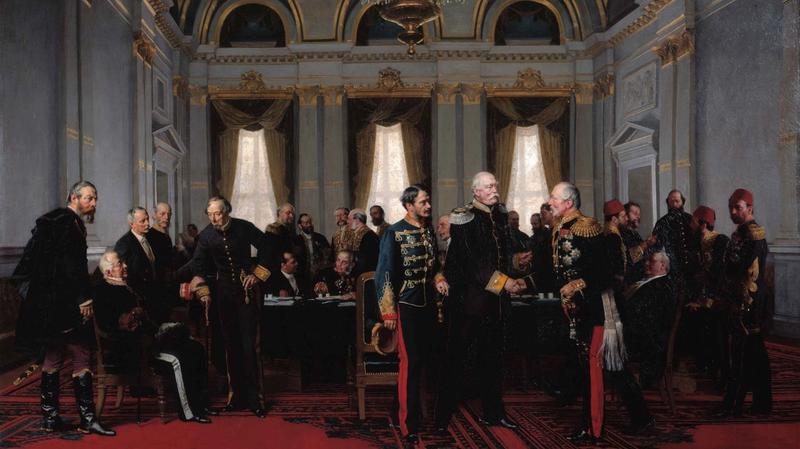
Photo Credit: Wikipedia
The late 19th century marked one of the darkest key events in Africa’s history. European powers divided Africa at the Berlin Conference of 1884–1885. Borders were drawn with no regard for ethnic or cultural realities. Colonial rule disrupted traditional governance, exploited resources, and sowed seeds of division. Mission schools spread literacy but also undermined indigenous systems. Africa’s unity cracked under the weight of foreign dominance.
Connection to today: Colonial borders still define African states, sometimes fuelling conflicts. Yet Africa also gained modern education, railways, and global exposure. The task now is to reshape colonial legacies into systems that serve local realities.
The Struggle for Independence
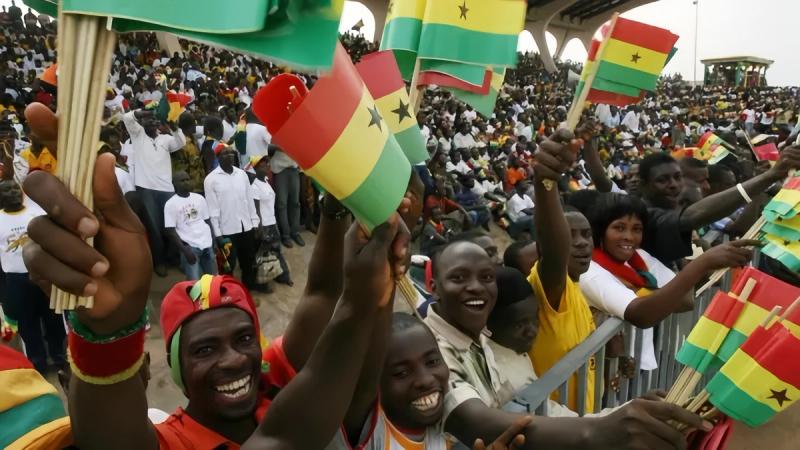
Photo Credit: BBC
The mid-20th century brought a wave of liberation. Leaders like Kwame Nkrumah, Jomo Kenyatta, and Patrice Lumumba ignited hope for a free Africa. From Ghana’s independence in 1957 to South Africa’s final dismantling of apartheid in 1994, the movement transformed the continent. Independence meant reclaiming pride, voice, and dignity. Yet it also left nations facing fragile economies and power struggles. Many new governments struggled to balance tradition and modern state systems.
Connection to today: African Union policies promoting integration echo the vision of Pan-African leaders. Independence struggles inspire young Africans to continue fighting for freedom from poverty, corruption, and inequality.
The Rise of Modern Pan-Africanism and Unity
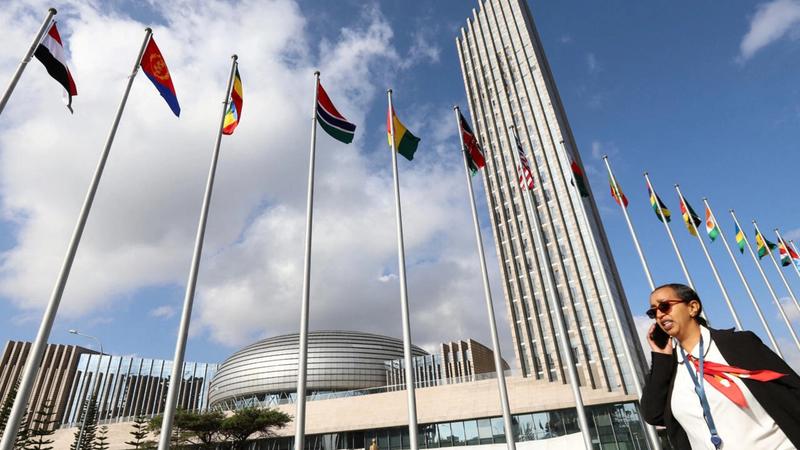
Photo Credit: RFI
Pan-Africanism emerged as both an ideology and a movement aimed at uniting African states. The creation of the Organisation of African Unity in 1963, later the African Union, marked a new era. This event highlights Africa’s resolve to speak with one voice in global affairs. The push for regional integration, peacekeeping, and development continues under this banner.
Connection to today: Digital platforms echo Pan-African ideals. They connect communities, celebrate culture, and promote collaboration across borders.
These five key events in Africa’s history do not live in isolation. Ancient knowledge, trade networks, colonial legacies, liberation struggles, and Pan-African ideals shape daily realities. Africa’s history is a living heritage that explains today’s triumphs and trials. Knowledge of these five defining moments helps us move forward with pride and purpose. Let us celebrate resilience, learn from challenges, and craft a better tomorrow.
Visit our website to discover more stories that connect Africa’s past with its present.