Africa's New Trade Corridors: Rail, Roads & Regional Growth

Andy Akinbamini
Click to view profile
African infrastructure 2025 marks a turning point as the continent transforms fragmented transport networks into integrated trade corridors. Trade logistics improvements driven by rail modernisation, road rehabilitation, and port expansion unlock previously underutilised resources. These corridors reduce transport costs while enabling the African Continental Free Trade Area to function effectively across 54 member states.
The transport and logistics sector is projected to experience substantial annual growth through 2040, supported by infrastructure investments and public-private partnerships. Updates and trends indicate that policy improvements complement physical infrastructure, with governments streamlining customs procedures and harmonising regulations. Strategic corridors position the continent competitively in global supply chains, serving burgeoning consumer markets and industrial transformation.
Rail Revival Connecting Landlocked Resources to Global Markets
Photo credit: Fibre2Fashion.com
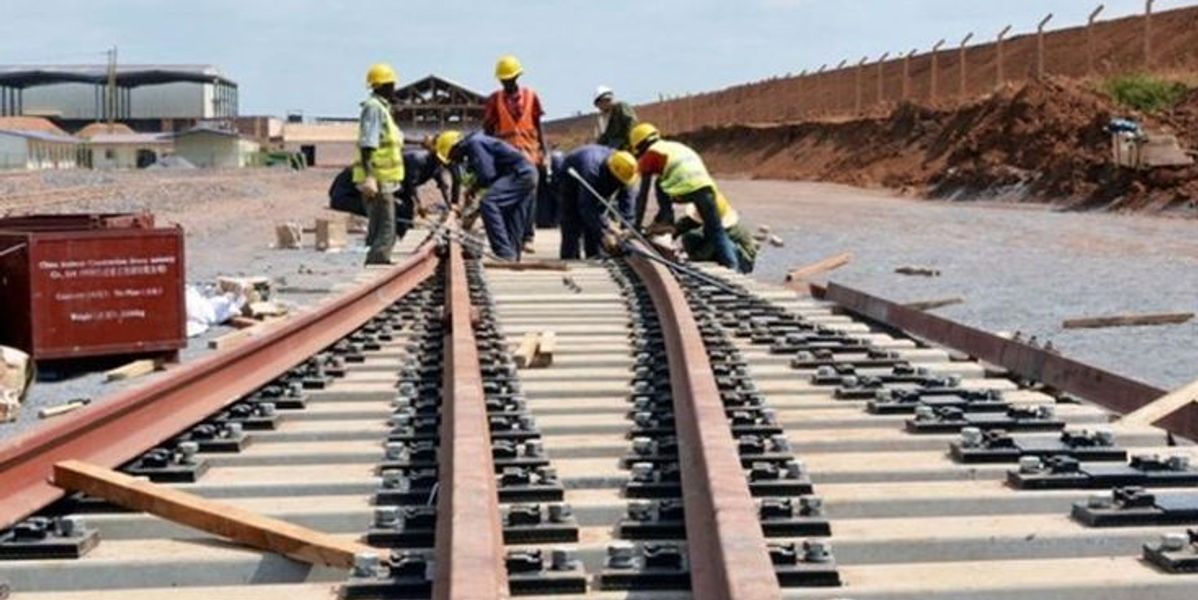
Railway infrastructure, historically neglected across much of Africa, is now receiving renewed attention as governments and development partners recognise rail's efficiency in moving bulk commodities and containers. The Central Corridor Standard Gauge Railway connecting Tanzania, Burundi, and the Democratic Republic of Congo secured $3.9 billion in financing in 2024, unlocking copper production in landlocked regions while providing alternatives to congested road networks.
Kenya's Standard Gauge Railway and the Addis Ababa to Djibouti line demonstrate how modern rail systems cut transport costs by up to 60% while shrinking delivery times that previously made African exports uncompetitive internationally.
Road Networks Forming Economic Arteries Across Regions
Road infrastructure carries over 80% of Africa's goods and passengers, making road quality central to the efficiency of trade logistics and economic competitiveness. Africa requires upgrades to over 60,000 kilometres of regional roads to accommodate increased trade volumes under AfCFTA implementation, while completing missing links in Trans-African Highways.
South Africa allocated substantial resources to road projects between 2023 and 2025, while the Lagos-Abidjan highway receives support through Europe's Global Gateway initiative, demonstrating international recognition of the importance of strategic corridors.
Port Modernisation Accelerating Maritime Trade Efficiency
Ports serve as critical gateways connecting African economies to international markets, with modernisation efforts in Lagos, Abidjan, Durban, and Mombasa improving efficiency and capacity. South Africa aims to expand the Port of Durban's container handling capacity from 2.9 million to 11 million TEUs annually by 2032, accommodating projected trade growth while reducing vessel waiting times that add costs to supply chains.
Africa is being showcased through modernised ports driven by automation, digital cargo-tracking systems, and expanded container terminals that now meet global standards. These advancements are transforming key gateways into regional logistics hubs capable of efficiently serving landlocked neighbours. Increased private-sector participation is also injecting much-needed expertise and capital into port operations.
Practical Strategies for Leveraging Infrastructure Improvements
Businesses should strategically position operations along emerging corridors where infrastructure investments create a competitive advantage by reducing transport costs and improving market access. Manufacturing firms benefit from locating near special economic zones with dedicated rail and road connections to ports, as demonstrated by Morocco's Tanger Med industrial zone, which handles automotive exports.
Logistics providers can capture opportunities by investing in warehousing facilities at corridor intersections and by offering value-added services, including kitting, quality inspection, and customs brokerage, that enhance supply chain visibility. Companies must engage proactively with corridor development authorities, participating in planning processes whilst securing long-term land rights and utility connections before infrastructure completion triggers property price increases.
Policy Frameworks Enabling Sustainable Corridor Development
African infrastructure 2025 requires $150 billion annually in transport investments, according to industry analysis, with funding gaps necessitating innovative financing models combining public resources with private capital. Public-private partnerships structured appropriately enable governments to leverage private-sector efficiency whilst maintaining public-interest oversight through transparent procurement and performance monitoring.
Corridor development demands coordinated regional planning because infrastructure crossing borders requires harmonised technical standards, synchronised customs operations, and mutual recognition of certifications that eliminate delays at crossings.
Technology Integration Modernising Corridor Operations
Digital transformation reshapes African infrastructure in 2025 through artificial intelligence, real-time tracking, and big data analytics, optimising traffic flows and maintenance scheduling. Smart highways utilise sensors to monitor vehicle movements, automated tolling to reduce congestion at payment points, and e-ticketing to minimise human error whilst improving transparency.
Geospatial mapping and drone technology assist infrastructure planning by identifying optimal routes, monitoring construction progress, and conducting condition assessments that inform preventive maintenance strategies. Blockchain-based systems enhance cargo security while providing immutable records that satisfy regulatory requirements and build trust between trading partners.
Discover African infrastructure developments in 2025 that are transforming trade logistics. Learn how $150 billion annual investments are building continental connectivity and growth.
Visit Our Website to learn more and explore Africa.