Africa's GDP Growth Forecast: Which Countries Lead in 2025?

Andy Akinbamini
Click to view profile
Africa’s economic story is one of both promise and complexity. While the continent as a whole is expected to experience steady GDP growth in 2025, the pace of expansion will not be uniform everywhere. Some countries are emerging as clear frontrunners, driven by innovation, investment, and resilience, while others continue to face challenges that slow their progress.
For investors, policymakers, and businesses, understanding which countries are leading this growth is critical. Africa is not a single, uniform market it’s a mosaic of economies, each with its own strengths, industries, and opportunities. Looking closely at these differences provides valuable insight into where the most significant opportunities lie and how the continent’s future growth is likely to unfold.
Fast-Growing Economies Lead Continental Performance
Photo credit: jannoon028/freepik
Several African countries are expected to achieve exceptionally high growth rates, placing them among the world's fastest-growing economies. Niger, Senegal, Libya, and Rwanda are expected to grow at the fastest rate of over 7% per year, according to African Development Bank Group estimates. Rwanda rounds off this group with an expected growth rate of 6.5%, driven by investment in technology, services, and regional trade partnerships. These high-growth economies demonstrate how focused economic strategies can deliver impressive results even in challenging global conditions.
Infrastructure Investment Drives Regional Growth
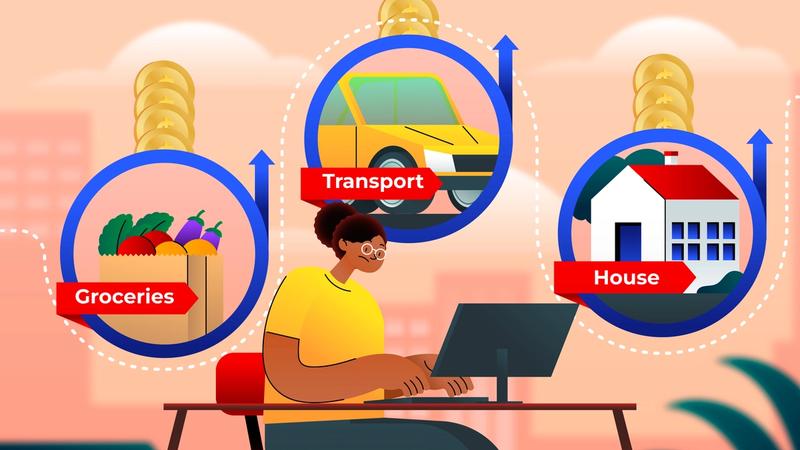
Photo credit: pikisuperstar/freepik
Major infrastructure projects across Africa are creating economic multiplier effects that support GDP growth in multiple countries simultaneously. Transportation corridors, energy projects, and digital connectivity initiatives help reduce business costs while improving market access for producers and consumers. Countries investing heavily in infrastructure development are seeing stronger economic performance as better connectivity attracts private investment and supports trade. Infrastructure spending creates immediate employment opportunities while building the foundation for long-term economic growth and competitiveness.
Financial Sector Development Supports Economic Expansion
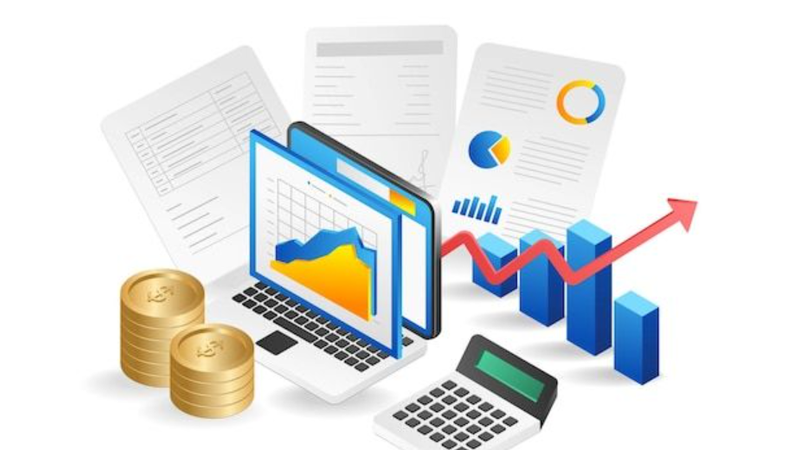
Photo credit: freepik
African countries with stronger financial systems and banking sectors are achieving more sustainable economic growth by providing better access to credit and investment capital. Improved financial inclusion helps small businesses grow while mobile money and digital financial services expand economic participation. Countries that have successfully developed their financial sectors are better positioned to attract foreign investment and support domestic business development. Financial sector reforms and innovations are significant for maintaining economic growth momentum and supporting entrepreneurship across different industries.
Technology And Innovation Support Growth

Photo credit: kjpargeter/freepik
African countries investing in technology infrastructure and digital economies are achieving stronger economic performance and attracting international investment. Digital transformation helps businesses become more efficient while creating new opportunities in financial services, education, and commerce. Countries that prioritize technology development and innovation are building competitive advantages that support sustainable economic growth. The combination of young populations and expanding internet access creates favorable conditions for technology-driven economic development across multiple African markets.
East Africa Maintains Regional Leadership

Photo credit: DC Studio/freepik
East African countries continue to show the strongest collective economic performance on the continent, with consistent growth across multiple countries. The region benefits from improved infrastructure connections, growing regional trade, and a diversified economic base that reduces dependence on single industries. In 2024, Niger and Rwanda posted the highest growth rates in the region, while other countries like Benin, Ethiopia, and Uganda recorded growth above 6%. East Africa's success comes from both individual country policies and increased regional cooperation that creates larger, more integrated markets.
West African Markets Show Steady Progress

Photo credit: freepik
West African economies are showing consistent growth driven by agriculture, manufacturing, and services. The region’s largest economies, Nigeria, Ghana, Côte d’Ivoire, and Senegal, play leading roles, supported by other ECOWAS members such as Mali, Burkina Faso, Niger, Sierra Leone, Liberia, Guinea, Togo, and Benin. These countries benefit from trade ties, expanding consumer markets, and infrastructure development, though performance varies across the region. Growth is sustained by both domestic demand and export opportunities to global markets.
Southern Africa Faces Mixed Performance
Photo credit: freepik
Southern African countries show varied economic performance, with resource-rich economies like South Africa, Angola, Zambia, Botswana, Namibia, and Zimbabwe alongside more diversified markets such as Mozambique, Malawi, Lesotho, and Eswatini. While some rely on mining and energy exports, others focus on agriculture, manufacturing, or services. Overall, growth in the region depends heavily on global commodity prices and the strength of domestic policies in managing resources and infrastructure.
Resource Rich Countries Drive Continental Numbers
Photo credit: freepik
Many of Africa’s fastest-growing economies rely on natural resources; however, the most successful are reinvesting their revenues in diversification. Botswana built financial services from diamond income, Namibia is channeling oil wealth into jobs and agriculture, while Morocco, Egypt, Côte d’Ivoire, and Senegal are expanding into manufacturing, energy, and services. Diversified economies consistently achieve more sustainable growth than those dependent on a single resource.
Central Africa Experiences Gradual Recovery
Photo credit: freepik
Central African economies are showing gradual improvement after challenges such as political instability and fluctuating commodity prices. The region, which includes Cameroon, the Democratic Republic of Congo (DRC), Republic of Congo, Gabon, Chad, Central African Republic, and Equatorial Guinea, is working to diversify beyond resource extraction while improving governance and business environments. Recovery depends on political stability, infrastructure investment, and private sector development. With effective reforms and stronger institutions, Central Africa has significant potential for sustained growth.
Visit Our Website to learn more and explore Africa.