Africa's Fashion Industry in 2025: A Growing Economic Opportunity

Andy Akinbamini
Click to view profile
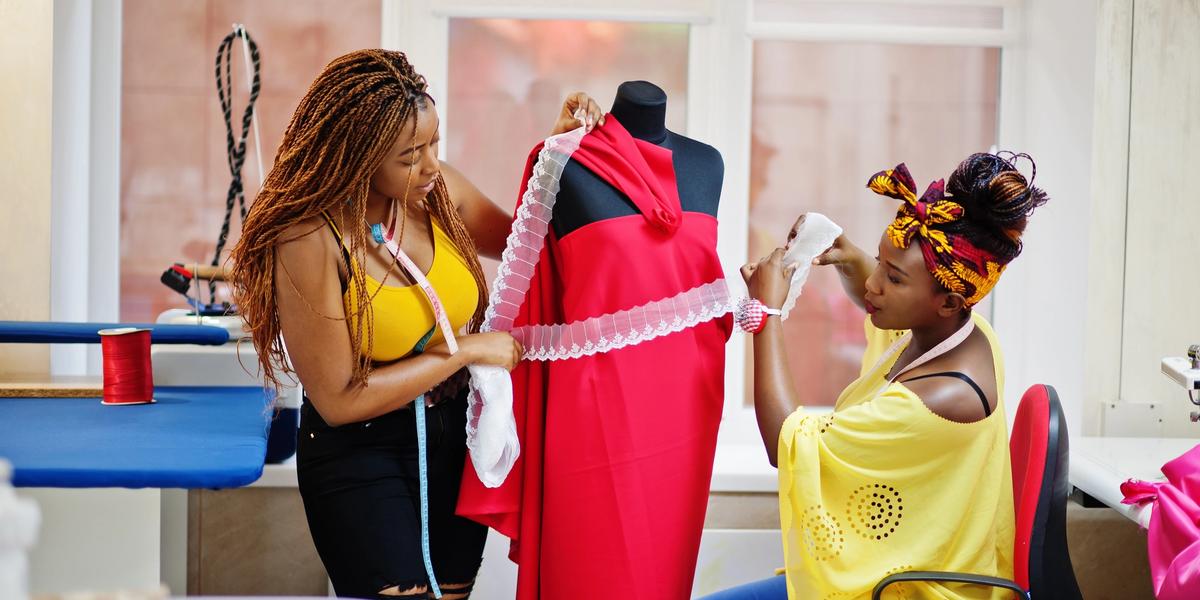
African fashion is stepping onto the global stage with a fresh voice—one that honors tradition while embracing modern style. Designers are weaving Yoruba patterns and other cultural influences into contemporary pieces that resonate with international audiences. This blend of heritage and innovation is redefining what fashion from the continent means, proving it is both timeless and forward-looking.
This movement is about more than clothes. The rise of African fashion is fueling economic growth, creating jobs, and showcasing the power of creativity as a driver of development. Backed by a young population, a growing middle class, and expanding digital platforms, the industry is turning local artistry into a global opportunity—celebrating culture while shaping the future.

Photo credit: freepik
The internet and social media have removed many barriers that previously prevented African fashion brands from reaching international customers. Online platforms and digital payment systems have become new marketplaces where African designers can sell directly to customers worldwide. This direct access eliminates traditional middlemen and allows designers to tell their own stories while building loyal customer bases. From Instagram marketing to e-commerce websites, technology helps African fashion businesses connect with global markets and compete internationally.
Creating Jobs And Economic Opportunities

Photo credit: freepik
Fashion provides crucial employment across Africa, especially for women and young people who often face limited job opportunities. The fashion industry employs more than 430 million people worldwide, accounting for approximately 12.6% of the global workforce, and Africa represents a significant portion of this employment. UNESCO's report highlights the industry's pivotal role in fostering cultural identity while providing economic empowerment opportunities for women and youth. The sector offers a range of opportunities, from design and production roles to retail and marketing positions, creating diverse career paths for African workers.
Sustainable Fashion Practices Lead Industry Trends
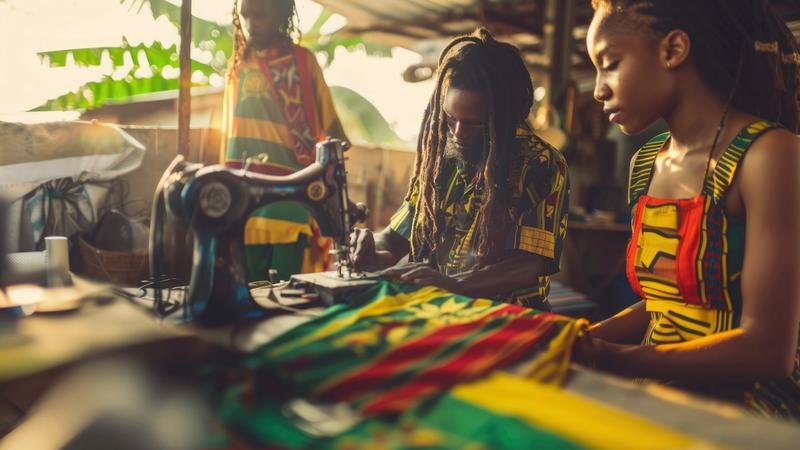
Photo credit: freepik
Many African fashion designers are opting for sustainable and ethical production methods that utilize local materials and traditional techniques. This approach to slow fashion isn't just a marketing trend; it reflects long-held values of resourcefulness and environmental respect. These sustainable practices appeal strongly to international consumers who want authentic, ethically-made clothing with clear origins. African fashion designers are becoming leaders in the conscious fashion movement by prioritizing quality, durability, and environmental responsibility over mass production.
Infrastructure Challenges Limit Growth Potential

Photo credit: freepik
Despite the industry's potential, many designers struggle with fragmented supply chains, limited access to affordable financing, and complex international shipping logistics. These problems can slow down production and make it difficult for businesses to grow and serve international customers effectively. UNESCO's analysis indicates the African fashion industry could increase by 25% if authorities improve investment support, reduce sourcing costs, and strengthen regulations. Addressing these infrastructure challenges is essential for unlocking the full economic potential of Africa's fashion sector.
Cultural Heritage Drives Global Appeal
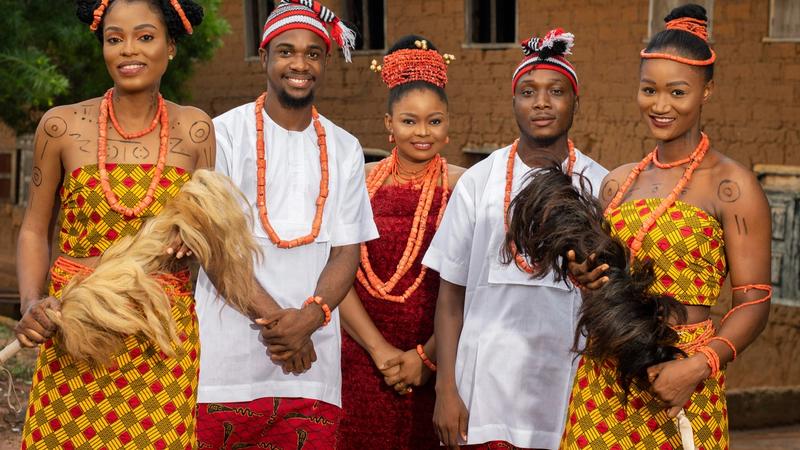
Photo credit: freepik
African fashion's unique strength comes from its authentic connection to rich cultural traditions and storytelling through clothing design. Designers confidently draw inspiration from traditional elements, such as intricate beadwork, symbolic patterns, and vibrant prints, to inform their contemporary fashion designs. The Apparel market in Africa is projected to grow by 4.67% (2024-2029), resulting in a market volume of US$88.68bn in 2029. This cultural authenticity allows African fashion to set global trends rather than just follow them, offering something unique that cannot be replicated elsewhere.
Investment Needs Across The Entire Value Chain

Photo credit: rawpixel.com/freepik
Realizing the fashion industry's full potential requires strategic investment beyond just design studios and individual businesses. The South African fashion e-commerce market reached an online share of 10-15% in 2024 and is expected to reach 15-20% in 2025, showing digital growth opportunities. Investment is needed in textile manufacturing, cotton farming, dyeing facilities, and vocational training centers to create a complete, self-sufficient ecosystem. When the entire value chain receives proper investment, it reduces production costs, improves quality control, and creates more jobs throughout the industry.
Building A Competitive Global Industry
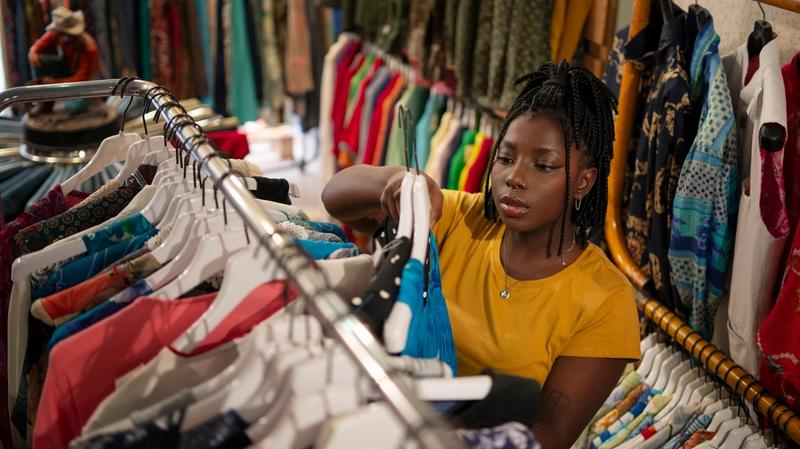
Photo credit: freepik
As African fashion moves toward greater international recognition, success depends on coordinating support across the entire industry ecosystem. The volume in the Apparel market is expected to reach 13.6bn pieces by 2029, with a growth rate of 2.3% in 2026. indicating steady expansion opportunities. This growth requires collaboration between designers, investors, government agencies, and international partners to build sustainable competitive advantages. The industry has the potential to become a major economic driver while showcasing Africa's creativity and cultural heritage to the world.
Skills Development Programs Support Industry Growth

Photo credit: rawpixel.com/freepik
Fashion schools and training programs across Africa are expanding to meet the growing demand for skilled workers in design, production, and business management. These educational initiatives teach both traditional craftsmanship techniques and modern business skills needed to succeed in today's global fashion market. Government agencies and international organizations are investing in vocational training that helps young people develop marketable skills in fashion design, tailoring, and garment manufacturing. These programs create pathways for career advancement while preserving important cultural knowledge about traditional textile and clothing techniques.
Visit Our Website to learn more and explore Africa.