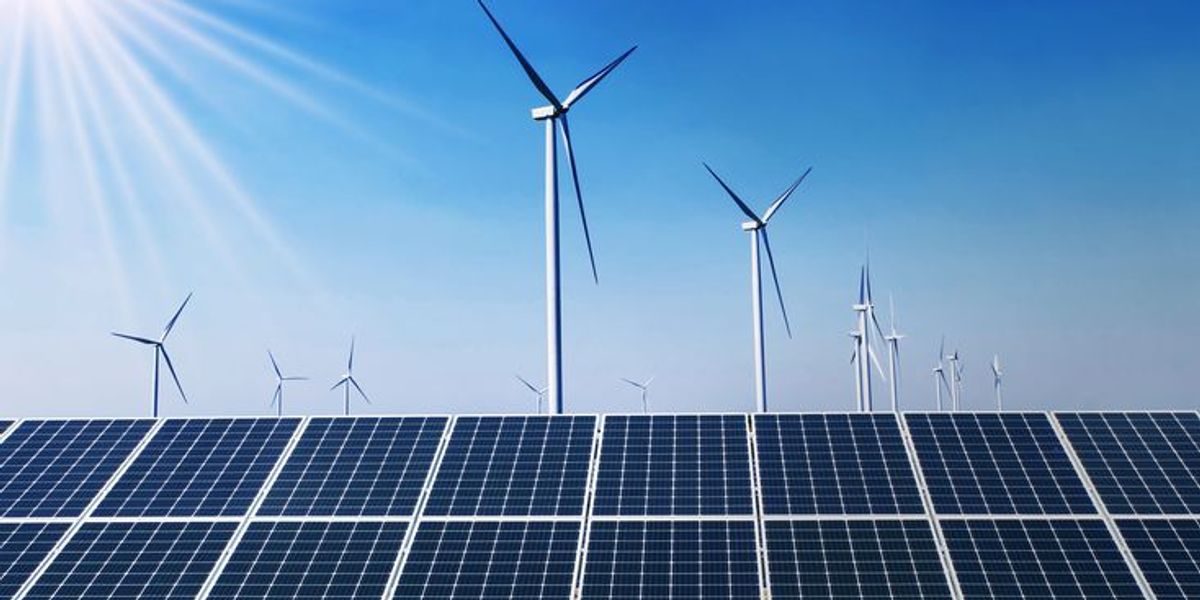
Africa's Energy Future

Andy Akinbamini
Click to view profile
Innovation Africa drives the continent's energy transformation as clean energy investment tripled from USD 17 billion (2019) to USD 40 billion (2024). Approximately 600 million people across Africa still lack access to reliable electricity, creating urgent development imperatives and investment opportunities. Sustainable business models combine renewable energy deployment with economic growth whilst addressing environmental concerns and energy poverty simultaneously. Trade Africa benefits from reliable energy infrastructure, which enables industrial development, manufacturing growth, and the expansion of cross-border commerce regionally. AI in economic applications optimizes energy distribution, predicts demand patterns, and enhances grid efficiency, resulting in significant reductions in operational costs.
Innovation Africa manifests through solar installations reaching record levels, with clean power projected to increase to 25% by 2025. Africa installed 2,402 MW of new solar capacity in 2024, despite a decrease in capacity from 3,076 MW in 2023. South Africa leads renewable deployment with 1,108 MW installed, while Egypt added 700 MW through massive utility-scale projects. West African nations, including Ghana, Burkina Faso, and Nigeria, are demonstrating rapid growth and emerging as key regional players. AI in the economy enables smart grids to balance renewable output efficiently whilst managing supply-demand fluctuations automatically through advanced analytics.
Sustainable business frameworks address Africa's energy challenges whilst creating employment and economic opportunities across diverse communities nationwide. Over 55% of Africa's energy already comes from renewable sources, laying the foundation for long-term sustainable development. Trade in Africa accelerates when reliable energy powers the manufacturing, agricultural processing, and technology sectors, which require a consistent supply. Investment requirements reach USD 200 billion annually to achieve universal energy access and climate targets by 2030. Innovation Africa encompasses mini-grid solutions, off-grid systems, and decentralized renewable energy generation, effectively reaching remote populations.
The future demands continued innovation, infrastructure investment, and policy reforms that enable Africa's sustainable energy transformation while meeting development goals. Sustainable business models ensure energy transitions benefit communities equitably whilst maintaining economic competitiveness and environmental stewardship imperatives. Trade Africa requires reliable power infrastructure to support industrial growth, regional integration, and competitive manufacturing capabilities that advance exports. AI in the economy revolutionizes energy management through predictive maintenance, automated operations, and optimized resource allocation, maximizing efficiency. Africa's energy future represents pathways to inclusive prosperity, combining economic development with environmental sustainability and universal access.
Explore Africa's energy future through innovation, sustainable business, and renewable energy investments. Discover how clean energy transforms economies whilst providing power to millions.
Visit Our Website to learn more and explore insights into African Business and the economy.