Africa's Blue Economy: The Next Billion-Dollar Industry

Andy Akinbamini
Click to view profile
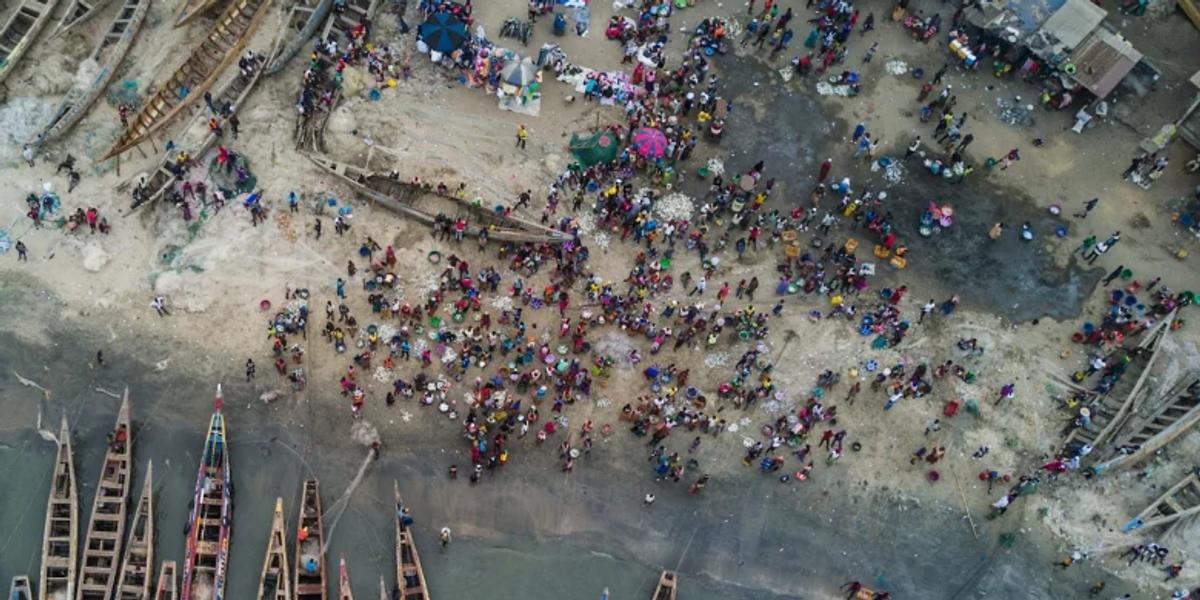
While the world obsesses over technology and digital innovation, an equally transformative economic opportunity lies beneath the waves surrounding Africa's vast coastlines. The blue economy in Africa represents a frontier that remains unexplored, mainly despite its staggering potential to reshape the continent's economic landscape. With 38 coastal and island states, access to two major oceans and two seas, Africa sits on an economic goldmine that could rival any tech boom or mineral discovery.
Africa possesses numerous ocean resources, including vast fisheries, maritime transport routes, renewable energy potential, and tourism opportunities, which could be multiplied exponentially with proper investment and management. Africa's voices deserve to be heard on this critical sector, ensuring that the world understands and appreciates the importance of sustainable ocean development for the continent's economic transformation.
Understanding the Untapped Potential of Maritime Resources
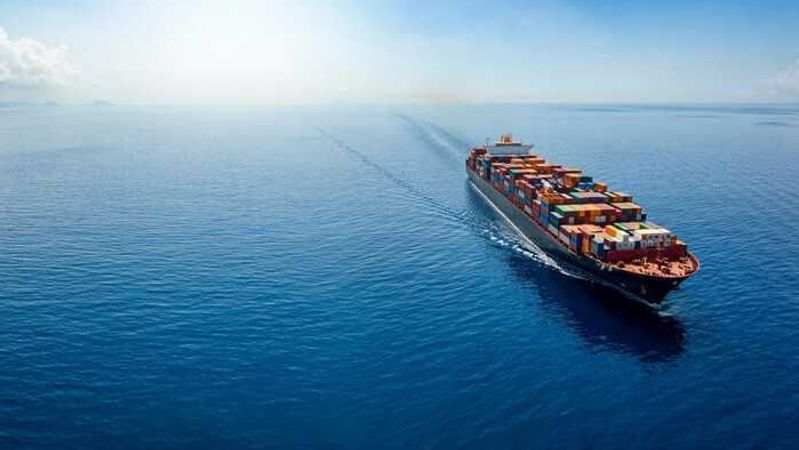
Photo Credit: TYCOONSTORY/Pinterest
Maritime zones under African jurisdiction cover approximately 13 million square kilometres, with some 6.5 million square kilometres of continental shelf, yet for 70% of coastal African countries, their exclusive economic zones remain largely underexploited. This represents an extraordinary paradox where nations blessed with abundant ocean resources fail to capitalise on them due to inadequate infrastructure, limited technological capacity, and insufficient investment in maritime industries.
Africa represents 7% and 5%, respectively, of maritime exports and imports by volume in a world where 90% of global international trade is seaborne, indicating massive room for growth. Platforms like Showcase Africa are working to spotlight these underreported opportunities, ensuring that maritime growth receives the attention it deserves in development conversations across the continent.
Fisheries and Aquaculture: Feeding Africa's Growing Population
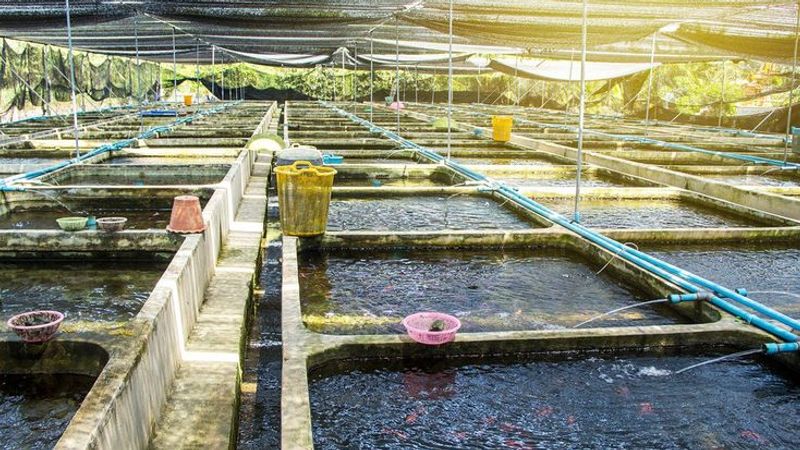
Photo Credit: Aaravkadam/Pinterest
The fishing industry stands as one of the most immediate opportunities within the blue economy framework in Africa, particularly as the continent's population is projected to grow towards its figures. With the African population expected to reach 1.7 billion in 2030 and 2.5 billion in 2050, meeting the population's current level of per capita consumption will require 13 million tonnes of marine fish in 2030 and almost 19 million tonnes in 2050, creating a production gap of approximately 6 million tonnes by 2030. Africa's aquaculture sector has grown by 455% since 2000, the highest growth rate in the world, demonstrating both the potential for rapid expansion and increasing recognition of aquaculture as a vital component of food security.
Maritime Trade and Renewable Ocean Energy Opportunities
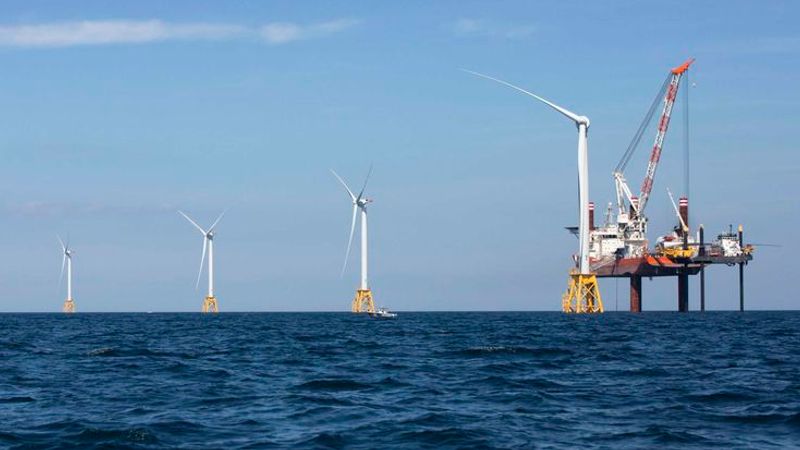
Photo Credit: Profesor/Pinterest
Beyond fisheries, ocean resources in Africa hold vast potential in maritime transport, port development, and offshore renewable energy, which remains unexploited mainly due to their transformative economic potential. 90% of all imports and exports for the continent occur through ports along the coasts, making efficient maritime infrastructure critical for Africa's participation in global trade. Investment in port modernisation, shipping routes, and naval security could position African nations as crucial players in international commerce, while creating millions of jobs in logistics and related sectors.
Practical Steps for Developing Sustainable Blue Economies
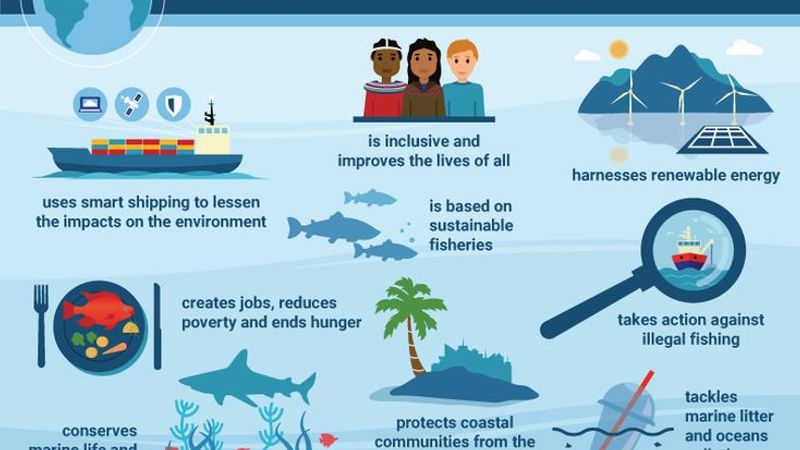
Photo Credit: allAfrica.com/Pinterest
Successfully harnessing the blue economy Africa's potential requires coordinated action across multiple stakeholders, including governments, private investors, local communities, and international partners, working towards shared sustainability goals. Countries must develop comprehensive blue economy strategies that integrate fisheries management, maritime security, coastal tourism, and renewable energy into coherent national development plans.
Balancing Economic Growth With Environmental Conservation
Photo Credit: Pinterest
The future of ocean resources in Africa depends on finding sustainable approaches that generate economic returns while preserving marine ecosystems for future generations and maintaining the ecological services oceans provide. Climate change, plastic pollution, overfishing, and habitat destruction threaten the very foundation of the blue economy, making conservation not just an environmental imperative but an economic necessity. Establishing marine protected areas, implementing sustainable fishing quotas, and investing in pollution reduction technologies must accompany blue economy development to ensure resources remain productive indefinitely.
Discover how the blue economy in Africa is transforming into a billion-dollar industry. Explore the ocean resources Africa offers, from maritime trade to sustainable fisheries, and the untapped potential for economic growth.
Visit Our Website to learn more about and explore insights into Africa.