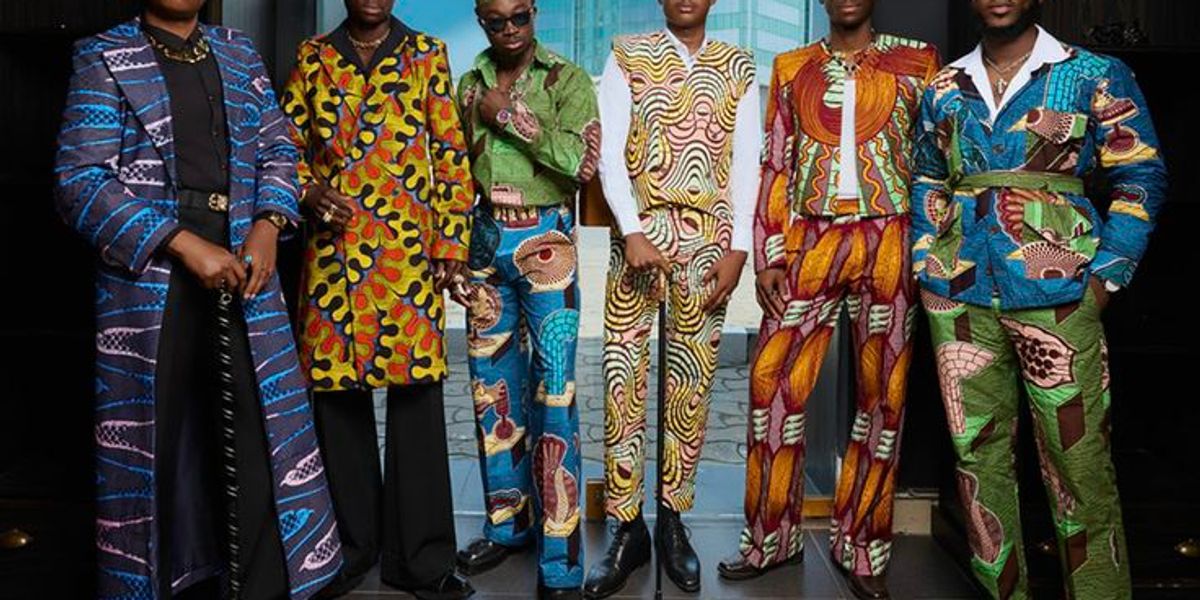
Africa's Billion-Dollar Industries: Fashion

Andy Akinbamini
Click to view profile
Africa's fashion industry pulses with creative energy that translates into serious economic power. The continent's apparel market reached $70.6 billion in 2024 and is projected to grow steadily at 4.67 percent annually through 2029. From Lagos runways to Nairobi design studios, fashion represents far more than aesthetic expression. It stands as one of the key economic sectors driving African industry growth, creating millions of jobs while showcasing a rich cultural heritage to global audiences hungry for authentic, sustainable alternatives to fast fashion.
The numbers tell a compelling story of untapped potential meeting rising demand. Nigeria's fashion industry alone contributes approximately $6.1 billion to the country's GDP, with Lagos Fashion Week attracting international investors and buyers. South Africa's e-commerce fashion market reached $964 million in 2024, making it the most significant online fashion market in Sub-Saharan Africa. Yet despite this momentum, Africa accounts for just 1.82 percent of the global fashion industry. This gap represents an extraordinary opportunity rather than a limitation, particularly as consumer spending across the continent is projected to surpass $2 trillion by 2025.
Digital transformation is revolutionizing how African fashion reaches global markets, allowing consumers to access local designs. Platforms like Afrikrea, Jumia, and Industrie Africa connect designers with international buyers, thereby democratizing market access that was previously reserved for established brands. In 2022, Afrikrea reported a 60% increase in global sales, driven by significant demand from buyers in the United States, France, and the United Kingdom. Mobile commerce drives adoption as Africa's youthful population embraces smartphone shopping, social media marketing, and digital payment systems that bypass traditional retail infrastructure limitations.
Sustainability positions African fashion as a global leader in eco-conscious design and ethical production practices. Designers utilize discarded fabric waste, organic materials, and traditional dyeing techniques that minimize environmental impact whilst preserving cultural authenticity. Rwanda transforms plastic waste into fabric, Nigerian designers create luxury garments from upcycled materials, and conventional textiles like Ghana's kente gain contemporary relevance. These innovations matter, as the fashion industry globally accounts for 10 percent of carbon emissions, creating a demand for sustainable alternatives that African designers naturally pioneer through resource constraints, turning them into competitive advantages.
The path forward for African industries' growth through fashion requires addressing infrastructure gaps, expanding access to financing, and strengthening supply chains connecting cotton fields to international markets. Countries like Ethiopia aim to reach $30 billion in textile exports by 2030 through investments in industrial parks and productivity enhancements. The African Continental Free Trade Area creates tariff-free markets for fashion products across 54 countries, whilst government initiatives support designer training, trade show participation, and export facilitation. Africa's fashion industry isn't just dressing the continent; it's also shaping it. It's weaving economic transformation, celebrating cultural identity, and proving that creativity combined with entrepreneurship generates wealth whilst telling authentic stories the world wants to hear and wear.
Discover how African designers, sustainable practices, and digital platforms are transforming key economic sectors and driving the growth of African industries across the continent.
Visit Our Website to learn more about and explore insights into Africa.