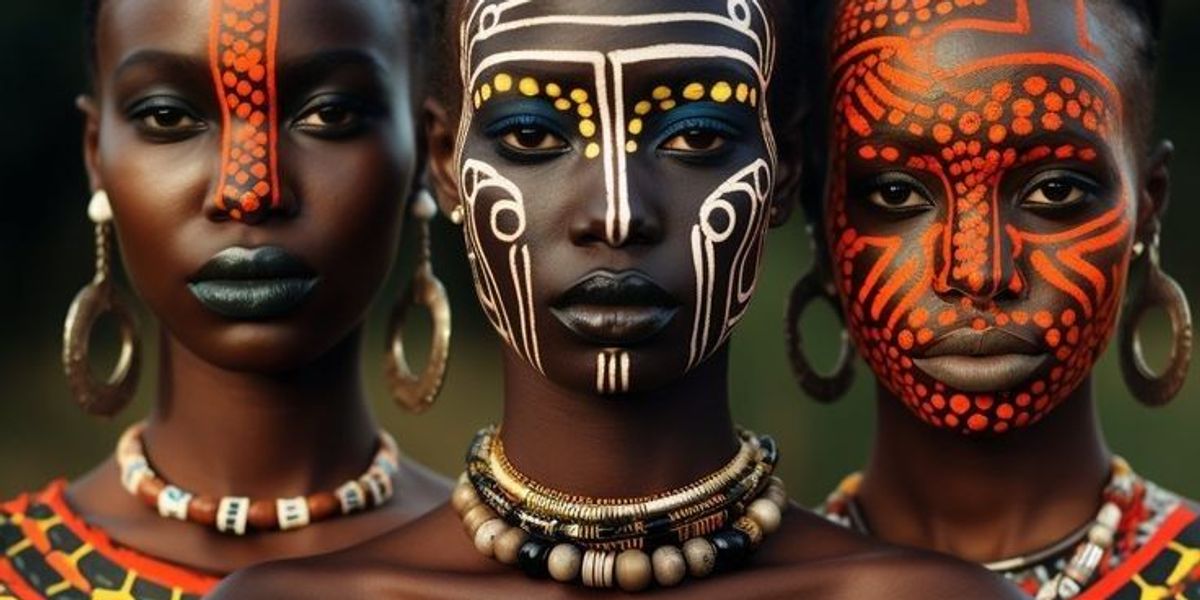
Adornment and Identity: Body Art Across African Tribes

Vera Ifechukwu
Click to view profile
Many people see tribal marks, beads or tattoos and think cosmetic flair. They miss what lies underneath. African body markings and identity carry deep cultural meaning beyond mere decoration, shaped by centuries of ritual, status, belief and belonging. African body markings and identity is permanent or temporary modifications or adornments on human skin or body.
You will learn how identity is etched, painted or adorned. You will see why many marks mean more, than meets the eye.
The Deep Roots Of Scarification
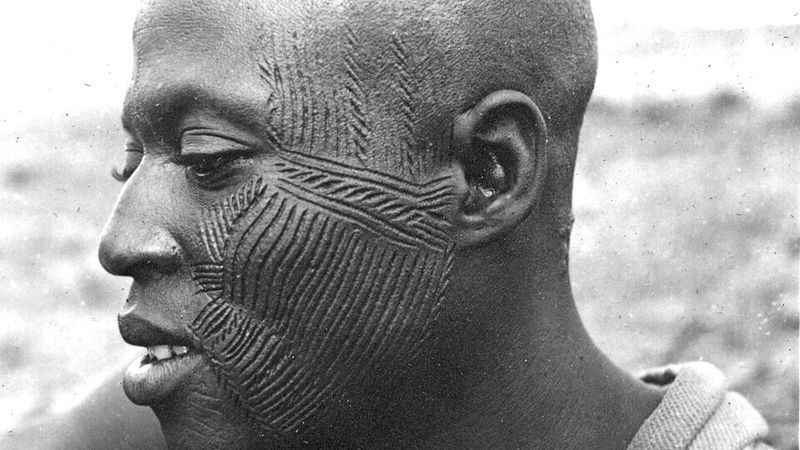
Photo Credit: John Atherton/WikimediaCommons
Scarification is a powerful form of body art. It is a deliberate cutting, which involves intentional incisions creating scars of the skin. The goal is to create raised scars. These scars form intricate patterns. The patterns are not just for beauty. They are a permanent record of life. Among the Tiv people of Nigeria, scars tell a lot. They signify lineage and social rank. West Africa tribes such as Yoruba, Igbo and others use facial scarification to signal lineage, courage or religious belief.
Among the Nuba people of Sudan, girls receive scar marks at puberty. For the Karo people in Ethiopia, scars show bravery. Men scar their chests for each enemy they kill, a woman with many scars is seen as beautiful. It proves her ability to endure pain, this suggests her strength for childbirth. Adults wear further marks after childbirth. These marks denote maturity, fertility and acceptance in the elder circle.
Vivid Painting And Face Art
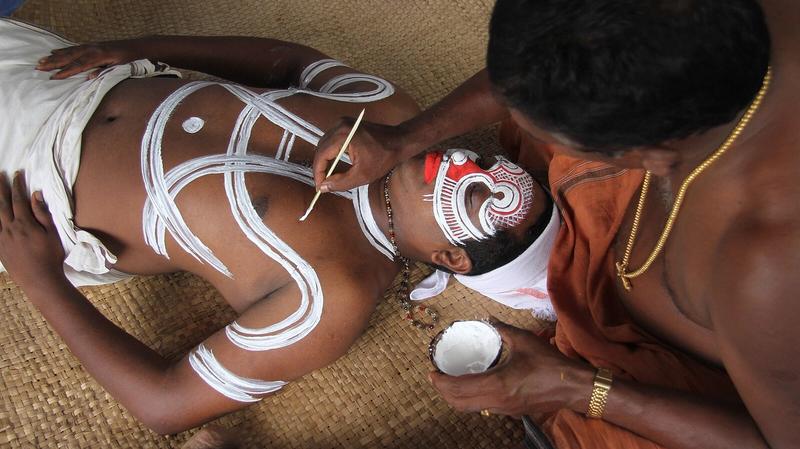
Photo Credit: Panavalli/WikimediaCommons
Body painting and face art use pigments from clay, charcoal, ochre. They are temporary but powerful. The colors themselves have meaning, Red ochre often represents the earth, White clay can signify purity. These colors reference purity, ancestry and spiritual cleansing. A hunter’s paint is different from a dancer’s.
Among the Karo tribe in Ethiopia painting with white chalk or yellow ochre marks courtship, ritual and social standing. Designs change daily, layered with symbols from nature. These paints are used for special events, the Xhosa tribe of South Africa paints faces during initiation rites and ceremonies. White clay or red ochre highlight tiny lines or shapes. This art is part of African body markings and identity.
Tattoos And Permanent Inks
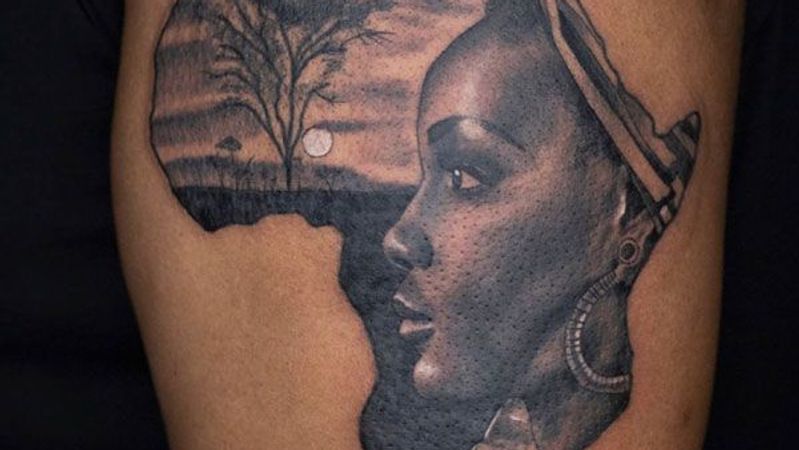
Photo Credit: Pinterest
Tattoos in Africa often follow colonial era influence but also draw from ancient tattoo practices. They capture beliefs, ancestry, status or achievements. Some tattoos mimic patterns of scarification. They may represent courage, valor or specific life events. Though less common than scarification historically, tattoos today are seeing revival or adaptation in some urban areas across Africa.
The Berber women of North Africa use them. Their tattoos are often on the face. They can represent a family or a tribe. Some symbols offer protection, they guard against evil spirits. Other designs show a woman’s fertility, hey mark her life journey. The Mursi people of Ethiopia also use tattoos. They are often linked to spiritual beliefs. They are a quiet but powerful art. They are a key part of African body markings and identity. Showcase Africa brings these stories to light.
Piercings, Lip Plates And Piercing Traditions
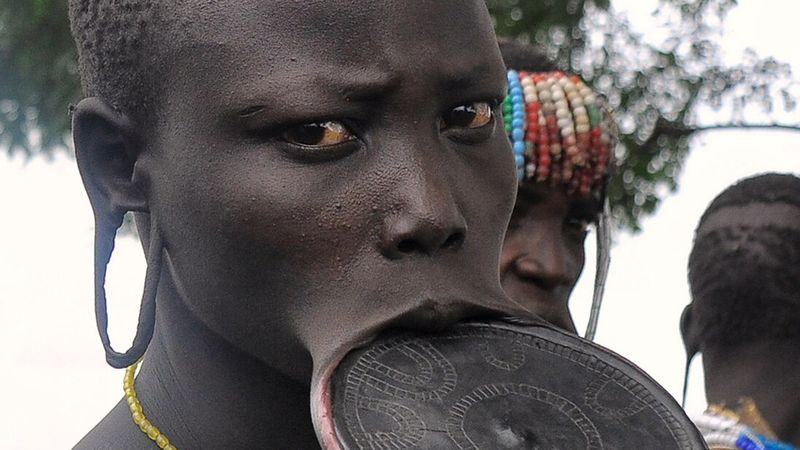
Photo Credit: WikimediaCommons
Piercing and lip plates are vivid forms of modifying the body to mark identity. Among Mursi, Surma or Suri women in the Omo Valley wooden lip plates inserted when they reach puberty become symbols of beauty, endurance and lineage. The plates show social or economic status. A large plate signifies a large dowry. It shows a woman’s value. The process is painful and long, but the result is a source of pride. It shows a person's commitment to tradition.
Earlobe stretching is also common among the Maasai of East Africa, Berber and other pastoral or semi-nomadic tribes. Both men and women pierce their ears. The holes are stretched to great sizes. They wear heavy, beaded ornaments. The size of the hole shows age. It can show a person’s importance. Large earrings or heavy bead clustered hangings mark status, adornment and sometimes wealth.
Beadwork And Jewellery As Living Symbols
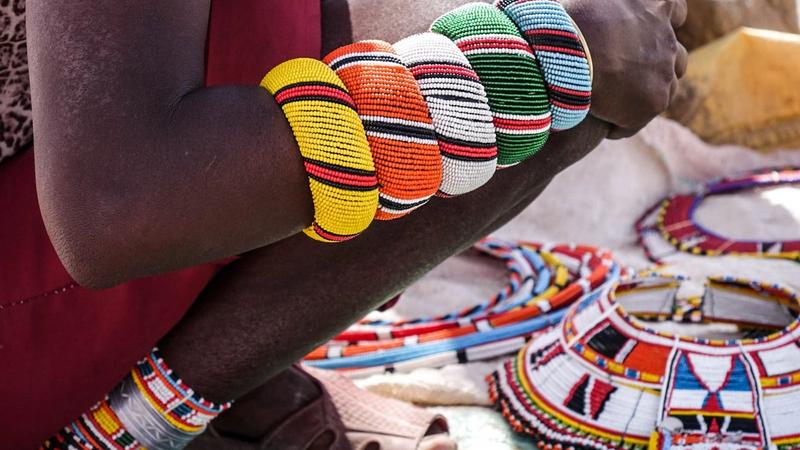
Photo Credit: Brooke/WikimediaCommons
Beadwork is a vibrant art form, it is a true language of color. Each color and pattern has meaning. Beadwork tells stories of a person’s life. Among the Zulu and Kongo people, beads and coral were not just decoration. They signified authority, wealth and political power. In the Kingdom of Benin, coral beads worn by the oba showed royal rule.
The colors tell a secret message. They can express feelings or intentions. Red beads can mean love or passion. Blue can signify faithfulness. Beads also show a person’s status. A married woman wears certain beads. An unmarried girl wears different ones. Jewellery made of metal is also common. Copper and brass are often used. They can show wealth and power. The Samburu tribe of Kenya use elaborate bead necklaces and colorful bracelets. These identify age sets, marriage status and clan affiliation.
Misunderstandings And Pain Points
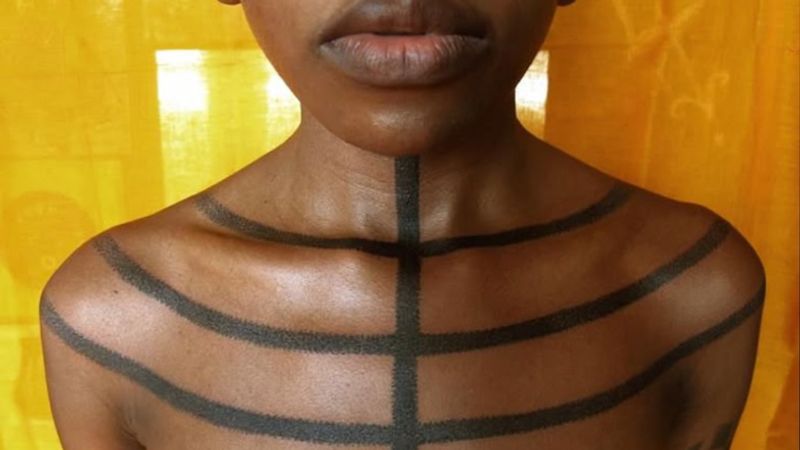
Photo Credit: Idge Mith/Pinterest
Many outsiders dismiss body markings as primitive or merely aesthetic. They miss that scarification or tattoos often function as identity cards. Yoruba tribal marks, for instance, were used to identify tribe or family lineage. Individuals without them could be excluded socially.
Sometimes misunderstanding leads to fear or stigma. Some mark-carriers live with reluctance in urban areas. Many traditions have been suppressed by colonial laws or modern sensibilities. Reintroducing knowledge can heal respect and reduce discrimination.
Modern Trends And Cultural Shifts
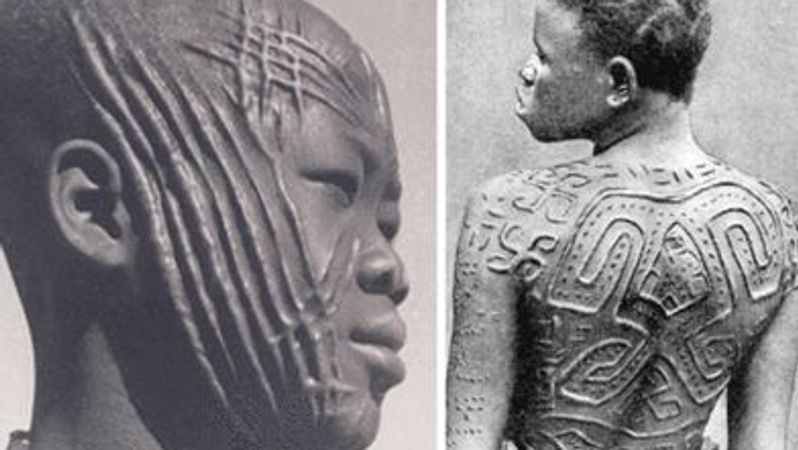
Photo Credit: Trina
Traditional practices evolve. Tribal marks are no longer universally accepted or legally allowed. In Nigeria the 2003 Child Rights Act limits tattooing or marking of children without consent. Tribal marks often clash with child protection laws.
Also trend-setting youth adapt beadwork and tattoo motifs for fashion. Painting is reimagined in festivals or photo shoots. Social media spreads awareness. Yet risk exists of appropriation without understanding or honouring meaning.
Practical Advice For Respectful Engagement
If you wish to explore or share about African body art and identity:
•Always seek community voices. Listen to elders, culture bearers and practitioners about what markings mean.
•Avoid adopting sacred or hermetic designs as fashion without permission.
•Learn hygienic and ethical practice: use sterile tools, licensed artists when applicable.
•Document history: record oral traditions, symbols and stories so that knowledge is not lost.
Understanding African body markings and identity builds respect and counters stereotypes. When we understand symbols, we avoid insensitivity. We preserve heritage. We see people not as curiosities but as whole bearers of deep culture. Many markings are endangered from modern laws or alienation. Reviving knowledge helps tribes preserve self-esteem. It also enriches global understanding of identity art forms.
Do more than read. Dive deeper. Visit Our Website.