
A Complete Guide to Navigating Logistics and Supply Chains in Africa

Andy Akinbamini
Click to view profile
Moving goods across Africa involves navigating a continent where products may travel by ship, truck, or even smaller vehicles before reaching their customers. The complex reality of African logistics presents both significant challenges and substantial opportunities for businesses willing to adapt.
Getting products from one place to another in Africa tells a story of determination, connecting many different economies and cultures along the way. The logistics sector is constantly evolving, with new developments emerging all the time that transform old problems into innovative solutions. Understanding how this system works is essential for any business wanting to succeed in African markets.
Understanding Africa's Diverse Markets

Photo credit: freepik
Africa isn't one single market; it's 54 different countries, each with its own rules, infrastructure levels, and business practices. What works perfectly in South Africa might fail in Nigeria or need significant changes for Kenya. This diversity means using the same approach everywhere is guaranteed to cause problems and frustration. Success comes from creating customized strategies that respect each market's unique characteristics, treating every country as its own separate business environment.
Infrastructure Gaps Create Both Challenges And Opportunities

Photo credit: freepik
While infrastructure problems are well-known, the speed of improvement is getting faster across the continent. The East Africa logistics market reached USD 23.9 billion in 2024 and is expected to reach USD 36.8 billion by 2033, showing strong growth potential. Major ports are expanding, new rail lines are connecting regions, but the final delivery often remains the most challenging part. The last stretch from main roads to final destinations often involves dirt paths and basic transport methods.
Technology Solutions Transform Traditional Systems

Photo credit: freepik
Digital technology is changing African logistics in amazing ways, helping solve many traditional problems. Companies are using smart sensors to keep products at the right temperature and AI systems that track cargo in real time. Many logistics companies jumped straight from paper records to digital systems, skipping older technologies completely. The African e-commerce market is expected to surpass 500 million active users by 2025, creating huge demand for better delivery systems.
Local Partnerships Are Essential For Success

Photo credit: freepik
Trying to handle African logistics alone is akin to attempting to sail across an ocean without local knowledge or assistance. Building strong partnerships with local experts, distributors, and established logistics companies is necessary for success. These partners provide crucial on-the-ground knowledge, help navigate complex customs procedures, and manage key relationships that enable supply chains to function effectively. Without local partners, even simple shipments can become complicated and expensive problems.
Real-Time Tracking Reduces Supply Chain Risks

Photo credit: rawpixel.com/freepik
Not having current information about where products are is one of the biggest problems in African supply chains. The global logistics automation market is projected to grow at a compound annual growth rate (CAGR) of 14.7% from 2024 to 2030, showing increasing adoption of tracking and automation technologies. In Africa, where unexpected problems often happen, being able to track shipments isn't a luxury but a necessity for business success. Effective tracking systems enable companies to resolve issues before they escalate, transforming unknown shipments into visible, manageable deliveries.
Trade Agreements Simplify Cross-Border Movement
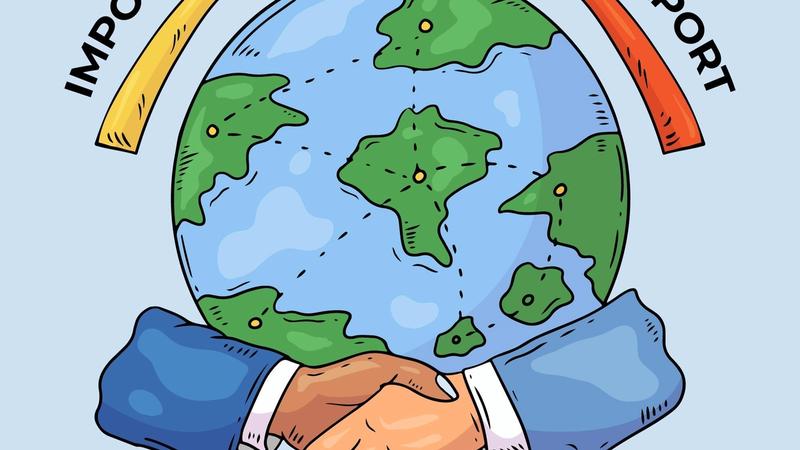
Photo credit: freepik
The African Continental Free Trade Area is making it easier to move goods between African countries by reducing barriers and paperwork. Africa's total trade increased by 13.9% to $1.5 trillion in 2024, with intra-African trade rising by 12.4% due to progress under the AfCFTA. While full implementation takes time, the agreement promises to make cross-border trade much simpler and faster. West Africa's logistics market reached USD 45.7 billion in 2024 and is projected to reach USD 71.5 billion by 2033, indicating significant regional growth potential.
Customs And Documentation Requirements

Photo credit: pch.vector/freepik
Managing customs procedures across various African countries requires careful attention to the differing documentation and regulatory requirements. Each country has its own import/export rules, tariff structures, and paperwork that must be completed accurately to avoid delays. Many businesses struggle with customs clearance because they don't understand local requirements or don't have proper documentation ready.
Working with experienced customs brokers and freight forwarders who are familiar with local procedures can save time and prevent costly shipping delays. These professionals understand the specific requirements for different product types and can help prepare all necessary documentation prior to shipments arriving.
Cost Management And Route Optimization

Photo credit: freepik
Transportation costs in Africa can be significantly higher than in other regions due to infrastructure challenges and fuel expenses. Companies need to carefully plan routes to minimize costs while ensuring reliable delivery times for their customers. Combining shipments, choosing the right transport modes, and timing deliveries around seasonal factors can help reduce overall logistics expenses. Fuel costs, security requirements, and vehicle maintenance in challenging conditions all contribute to higher transportation expenses across the continent.
Warehouse And Storage Solutions

Photo credit: Drazen Zigic/freepik
Finding appropriate warehouse and storage facilities across Africa requires understanding local climate conditions and security requirements. Many regions experience extreme temperatures or humidity that can damage products without proper climate-controlled storage facilities. Storage costs vary widely between countries, and the availability of modern warehouse facilities isn't guaranteed in all locations. Products like electronics, pharmaceuticals, and food items need special storage conditions that may not be available in all African markets.
To explore more African insights.
Visit: Our Website